This fungus is called phaeolus schweinitzii, or more commonly, Dyer’s polybore. It is also called velvet-top fungus, or pine dye polybore, or Polly, as I call it.
In my yard, it seems to come back every year in this same location, near the roots of a large fir tree that was felled several decades ago, and usually Polly has a “baby” nearby. It’s not a good fungus to have near your trees, as it will rot the roots and do a lot of damage to the tree.
The redeeming quality about Polly is that this fungus was used for making a dye to colour wool or other materials, hence the name Dyer’s polybore.
But definitely, do not try to eat it. Polly will make you very sick.
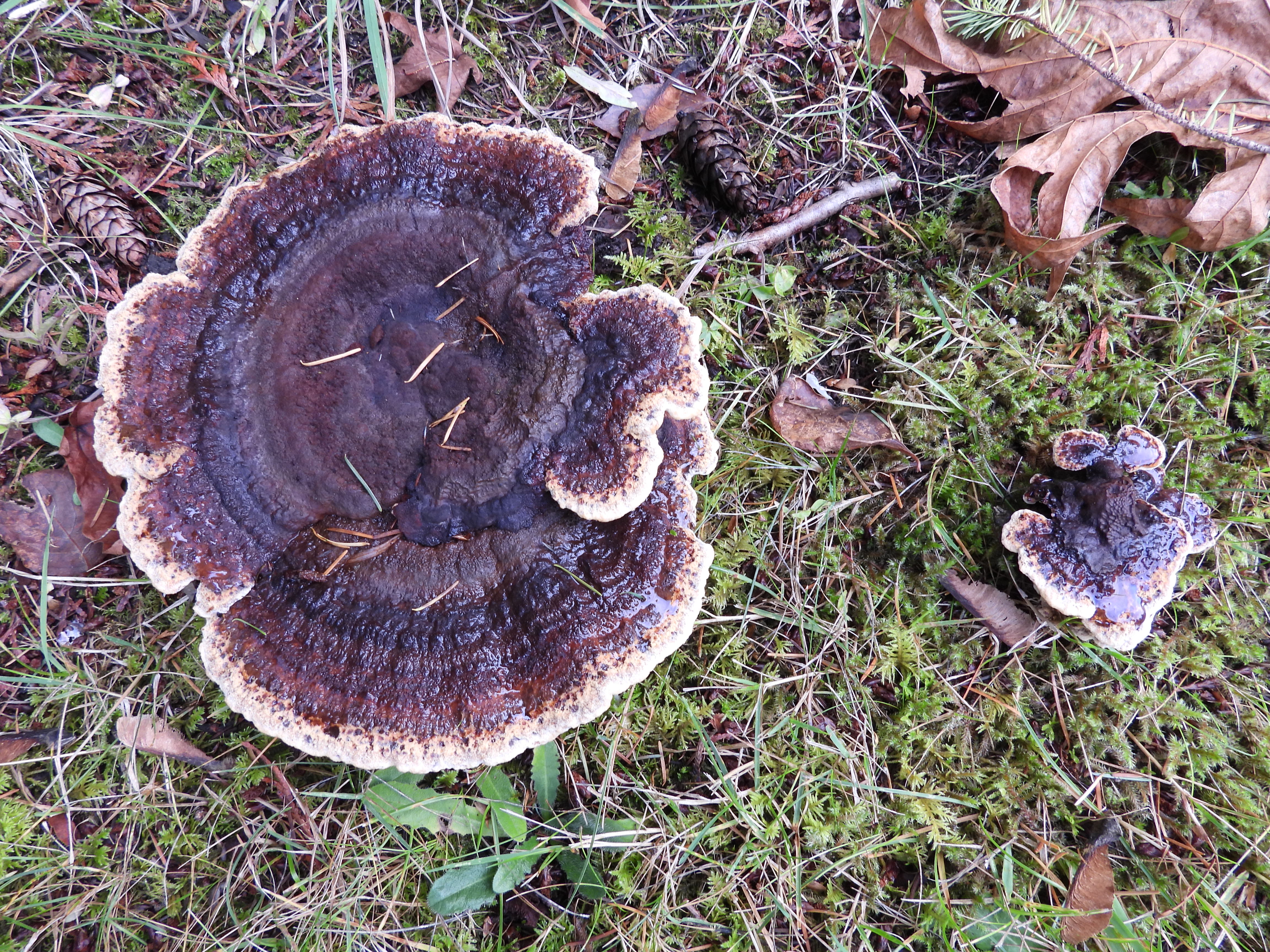
You can see the size of the fungus by comparing it to the fir cones nearby.
The photo above was taken a few days ago, but the ones below were taken last year in the same location. I thought it was interesting that it grew around blades of grass – or maybe the grass grew through the fungus. I’m not sure what the process was.
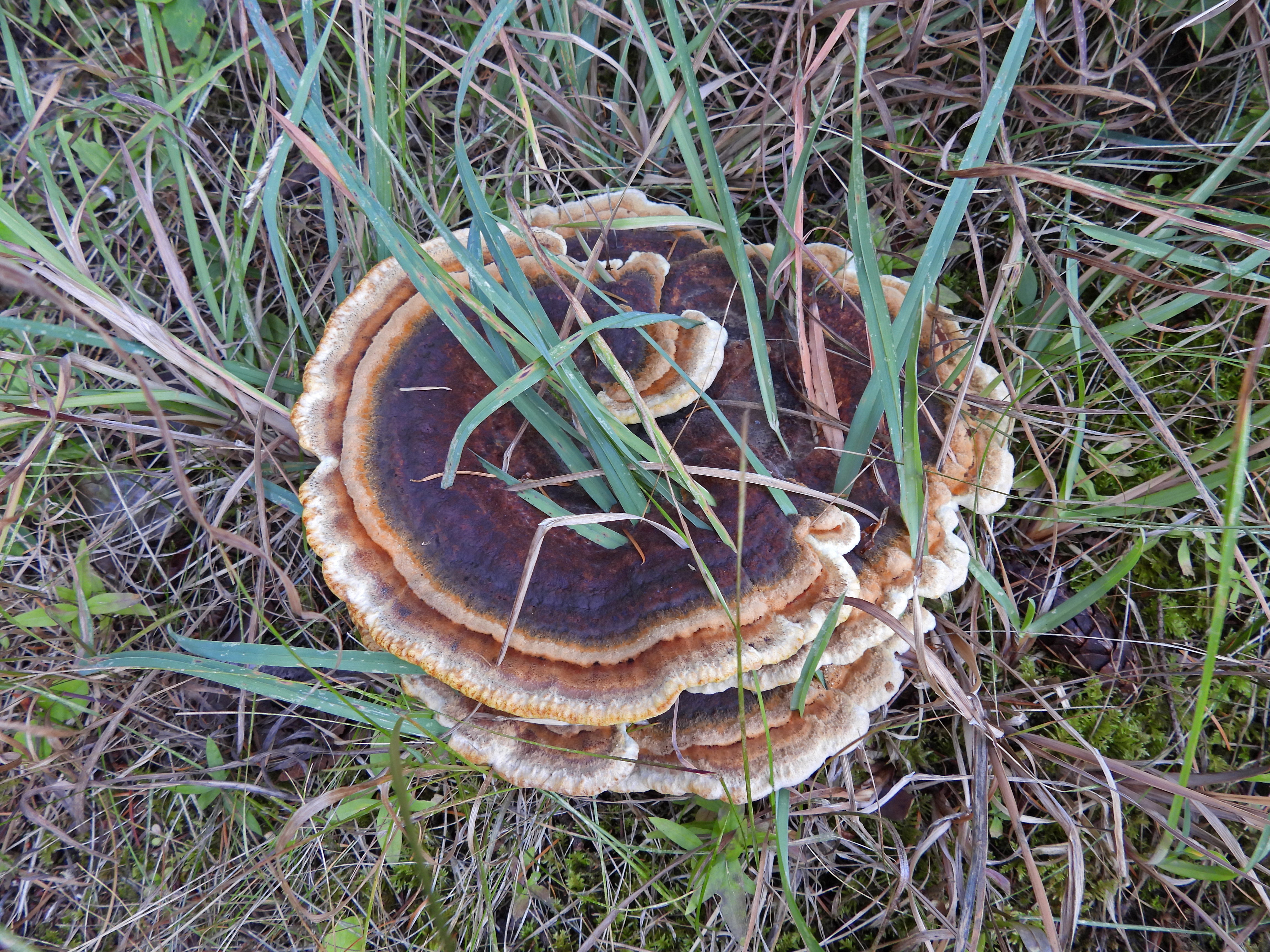
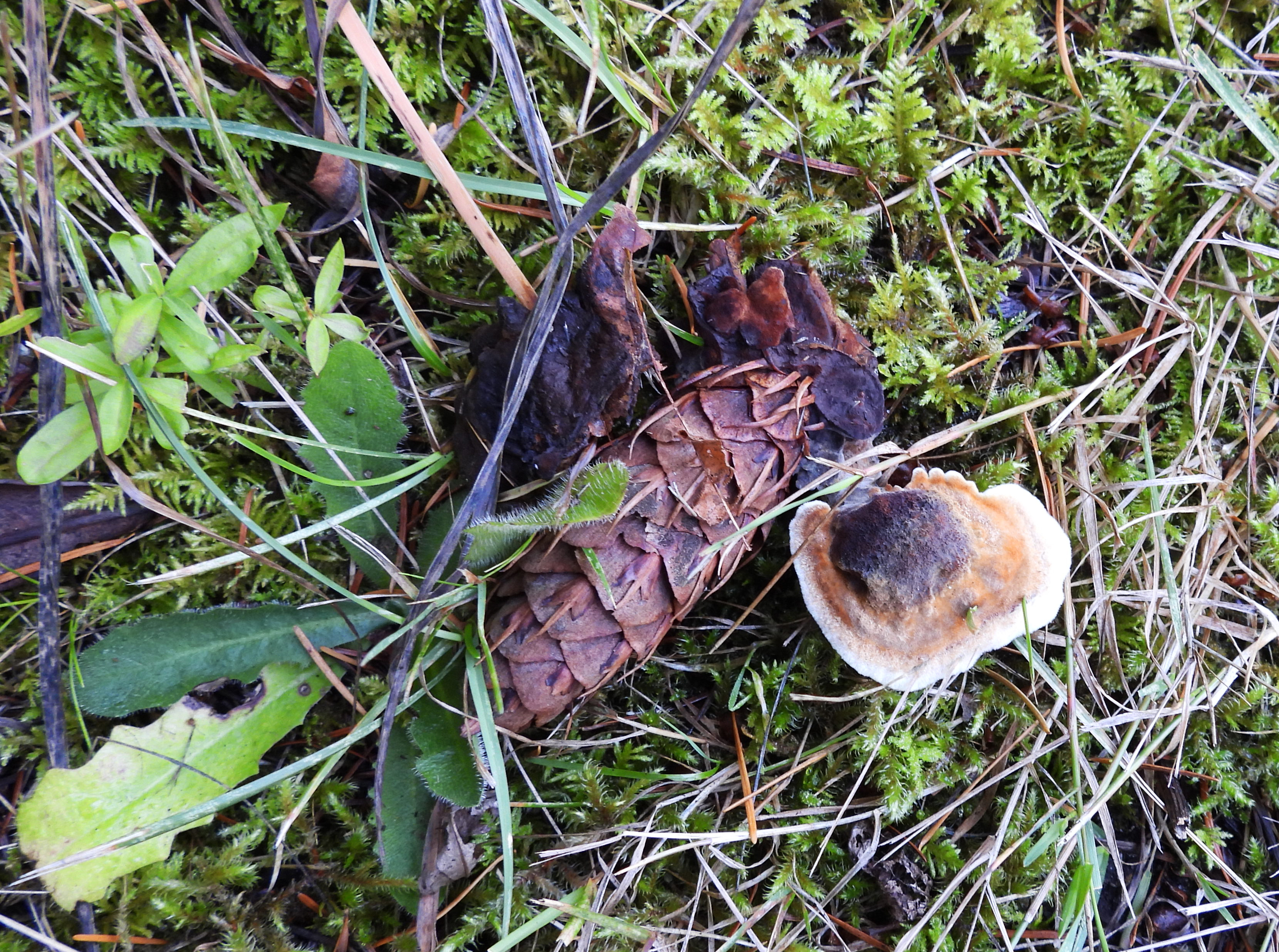
Last year, just like this year, a baby polybore was growing nearby.
Notice that the baby Polly in each case looks like its mother.
I wonder if Polly will show up again next fall.

 wordsfromanneli
October 12, 2024 at 1:23 am
Just guessing but the baby might be next year’s adult. I can see why it is a source of natural dye. Interesting; I think the grass grew through the mushroom. It appears to be quack grass which is very, very tough. Cheers.
LikeLiked by 2 people
October 12, 2024 at 7:44 am
You may be right on all counts.
LikeLiked by 2 people
October 12, 2024 at 4:29 am
I have not seen this type here. I have some very hardy late summer mushrooms that keep popping up on my back lawn, but not like these. Happy Saturday Anneli. Allan
LikeLiked by 1 person
October 12, 2024 at 4:31 am
These polys certainly aren’t boring!
LikeLiked by 2 people
October 12, 2024 at 7:43 am
I agree.
LikeLiked by 2 people
October 12, 2024 at 6:21 am
That’s a big (and interesting) fungus! Thanks for the introduction.
LikeLiked by 1 person
October 12, 2024 at 7:42 am
It’s unusual here, like the only one in the yard, except that it keeps reappearing in the same spot.
LikeLiked by 1 person
October 12, 2024 at 7:21 am
Interesting to learn how it got its common name. I like the photo of it through the grass.
LikeLiked by 1 person
October 12, 2024 at 7:42 am
I would love to have seen how they made the dye and used it.
LikeLiked by 2 people
October 12, 2024 at 7:50 am
It is almost beautiful–a sure sign it’s poisonous! I guess if it doesn’t spread, it doesn’t matter?
LikeLiked by 1 person
October 12, 2024 at 7:52 am
Right. It likes the roots and will destroy a big tree eventually, but this one keeps coming back to the roots of an old stump so nothing left to kill.
LikeLiked by 2 people
October 12, 2024 at 9:38 am
That’s interesting. Does it endanger your local animals? I mean, can they tolerate it if they eat it?
LikeLiked by 1 person
October 12, 2024 at 8:39 pm
Emma is not interested and I think wild animals get to know what doesn’t smell right to them. I know deer tend to avoid all these pitfalls. Don’t know how they know.
LikeLiked by 1 person
October 12, 2024 at 8:28 am
I´ve seen them in the forest. Different ones grow in the garden but are not edible – too bad.
You took some very nice pictures, thanks for sharing.
LikeLike
October 12, 2024 at 8:43 pm
Thanks for your input, Ursula. You’re right. They are not often in the garden, but that’s probably because they grow where the roots of big trees are.
LikeLike
October 12, 2024 at 8:34 am
I wonder if the nearby tree was alive that you could cut the bore off and spray what is left with a weed killer to stop it from growing back?
LikeLiked by 1 person
October 12, 2024 at 8:40 pm
Possibly. I’m sure arborists have figured out what works and what doesn’t.
LikeLiked by 1 person
October 12, 2024 at 9:03 pm
I agree. Have you seen any puffballs? They are mostly edible and seen in Michigan.
https://en.wikipedia.org/wiki/Puffball
LikeLike
October 12, 2024 at 1:16 pm
I’ve never heard of this fungus.
LikeLiked by 1 person
October 12, 2024 at 8:38 pm
Probably it’s too hot and dry where you live.
LikeLike
October 13, 2024 at 12:59 pm
That could well be.
LikeLiked by 1 person
October 12, 2024 at 4:18 pm
Hi Anneli – I knew nothing about polybore. It’s an unusual looking fungus. How funny that the grass is running right through it!
LikeLiked by 1 person
October 13, 2024 at 9:45 pm
Yes, I was surprised to see it, and I can’t stop wondering how that happened. I would love to see it in slow motion.
LikeLiked by 1 person
October 12, 2024 at 6:36 pm
Yes, I found that rather amazing too.
LikeLike
October 13, 2024 at 7:37 am
I love finding different kinds of fungus once the rains come back, but this is one I have never seen, Anneli. I liked your photos and descriptions. That is one mighty fungus when grass grows right through it. Fun title, too.
LikeLiked by 1 person
October 13, 2024 at 10:59 am
There is also the bracket fungus that looks very similar and grows on the bark of trees. I’m not sure if it’s exactly the same kind as the one I have pictured, but some artistic people have taken these bracket fungi and, after putting a sealant on the underside, paint a scene on them. The “brackets” will stand on their side (the part that was attached to the tree) and can be displayed like a photo on a shelf.
LikeLiked by 1 person
October 14, 2024 at 1:08 pm
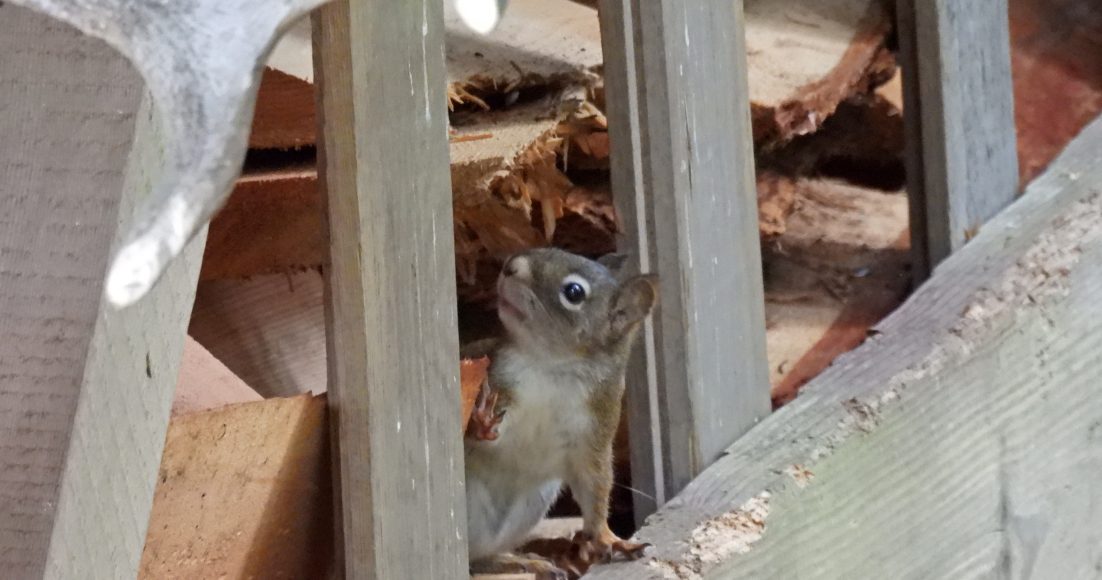
I like fungi, but not if they’re killing my trees. It’s almost chanterelle season here – just need a little rain first. And cute pic of the baby squirrels! I can imagine that they’re getting the wood shed ready for winter. 🙂
LikeLiked by 1 person
October 14, 2024 at 8:08 pm
Yes, they really are. I hope to do a “squirrels getting ready for winter” post soon.
LikeLiked by 1 person
October 14, 2024 at 8:49 pm
Lol. It’s getting to be that time.
LikeLiked by 1 person
October 16, 2024 at 5:54 pm
This is very interesting, Anneli. Since it is attached to the roots of a dead tree, hopefully it won’t spread. It’s quite beautiful.
LikeLiked by 1 person
October 16, 2024 at 7:42 pm
It hasn’t spread so far and I’ve seen it there a few years in a row. But there is an old stum nearby and I think that’s what keeps the polybore there.
LikeLiked by 1 person
October 31, 2024 at 1:46 pm
One can appreciate the tenacity of Polly the Bore.
LikeLiked by 1 person
October 31, 2024 at 3:00 pm
Very tenacious!
LikeLike