wordsfromanneli

Thoughts, ideas, photos, and stories.


30 Comments

Like Watching Paint Dry

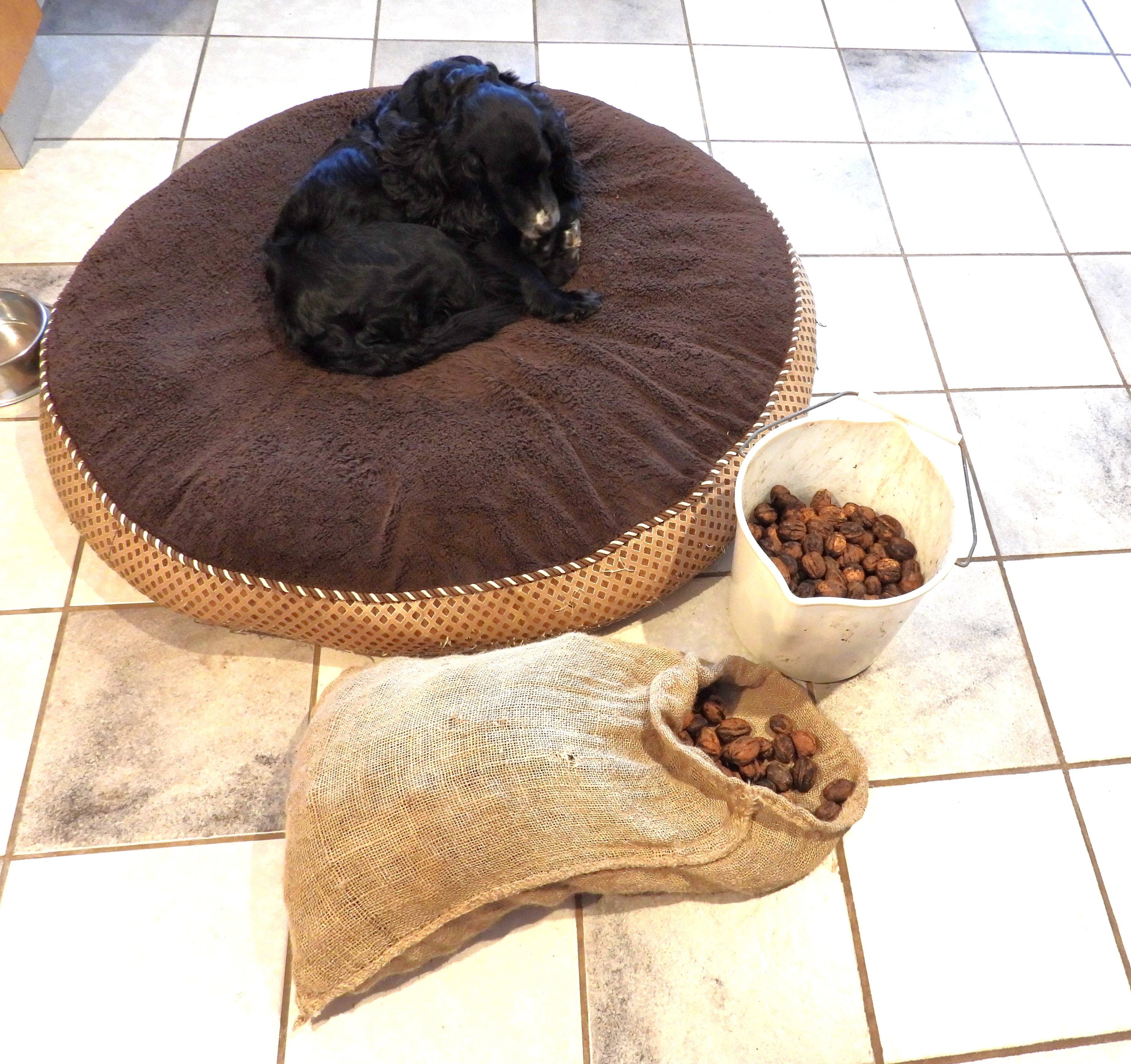
Might as well do my nails while I’m watching the walnuts dry.

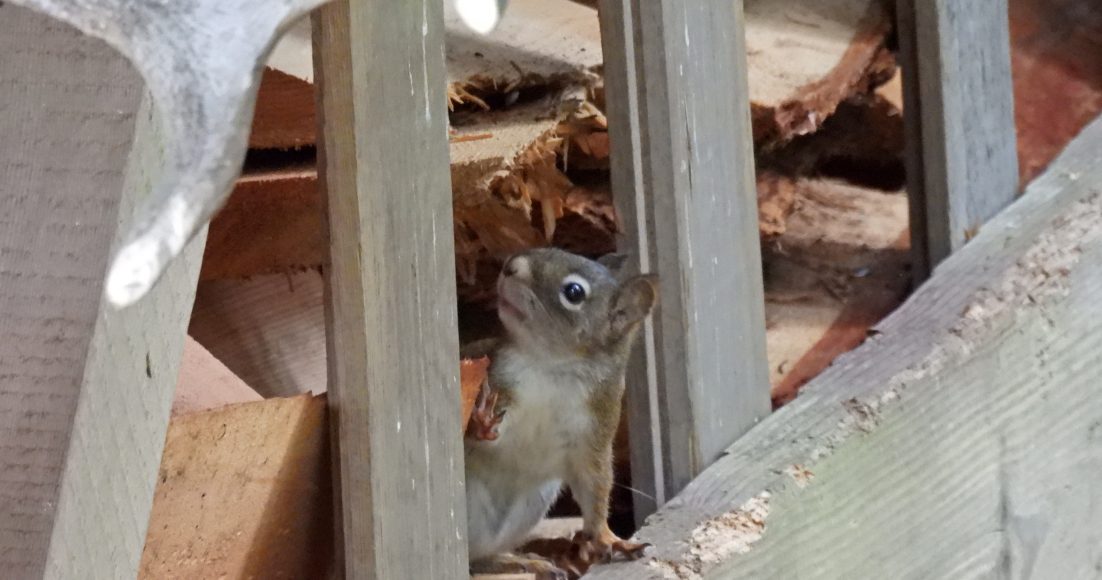
In the lower level, by the woodstove, the walnuts are bagged and almost ready to be hung above the woodstove to finish drying. I think I’ll have to get another burlap bag or maybe two more, to hold all those nuts as they dry. All the messy work of scraping the black goo from the shells has been done. Now we wait. Most days, I sneak a few to bring out to the squirrels.

I wonder if there will be any walnuts left by Christmas.


34 Comments

Another Great Poem

This is a copy of Brueghel’s Fall of Icarus, a painting by Pieter Brueghel the Elder.

Icarus and his father Daedalus, the architect of the labyrinth of Crete, were trying to escape imprisonment. King Minos thought Daedelus had given away the secret of how to escape the labyrinth thus allowing King Theseus of Athens to escape it.  So King Minos imprisoned Daedalus and Icarus.

In an attempt to escape by flying, they put feathers on their arms and stuck them together with wax, but apparently Icarus, in spite of his father’s warning, flew too close to the sun, which melted the wax, and without wings he tumbled back to Earth. You can see him falling into the water just below the ship.


So in the 1500s, Pieter Brueghel included this event in one of his paintings. About 400 years later, W.H. Auden was inspired by  this painting to write a poem about human indifference to suffering.  Watch for examples of this as you read his famous poem.

Musée des Beaux Arts

By W. H. Auden

December 1938

About suffering they were never wrong,
The Old Masters: how well they understood
Its human position; how it takes place
While someone else is eating or opening a window or just walking dully along
How, when the aged are reverently, passionately waiting
For the miraculous birth, there always must be
Children who did not specially want it to happen, skating
On a pond at the edge of the wood:
They never forgot
That even the dreadful martyrdom must run its course
Anyhow in a corner, some untidy spot
Where the dogs go on with their doggy life and the torturer’s horse
Scratches its innocent behind on a tree.
In Brueghel’s Icarus, for instance: how everything turns away
Quite leisurely from the disaster; the ploughman may
Have heard the splash, the forsaken cry,
But for him it was not an important failure; the sun shone
As it had to on the white legs disappearing into the green
Water; and the expensive delicate ship that must have seen
Something amazing, a boy falling out of the sky,
Had somewhere to get to and sailed calmly on.
*****
Do you ever wonder what is going on in other parts of the world, while you’re doing something routine at home? Are there people being tortured or mistreated elsewhere in the world at that very moment? Or simply suffering while we are enjoying a good time? Or the other way around, perhaps? Someone having a good time while we suffer?


34 Comments

Puppy at the Beach

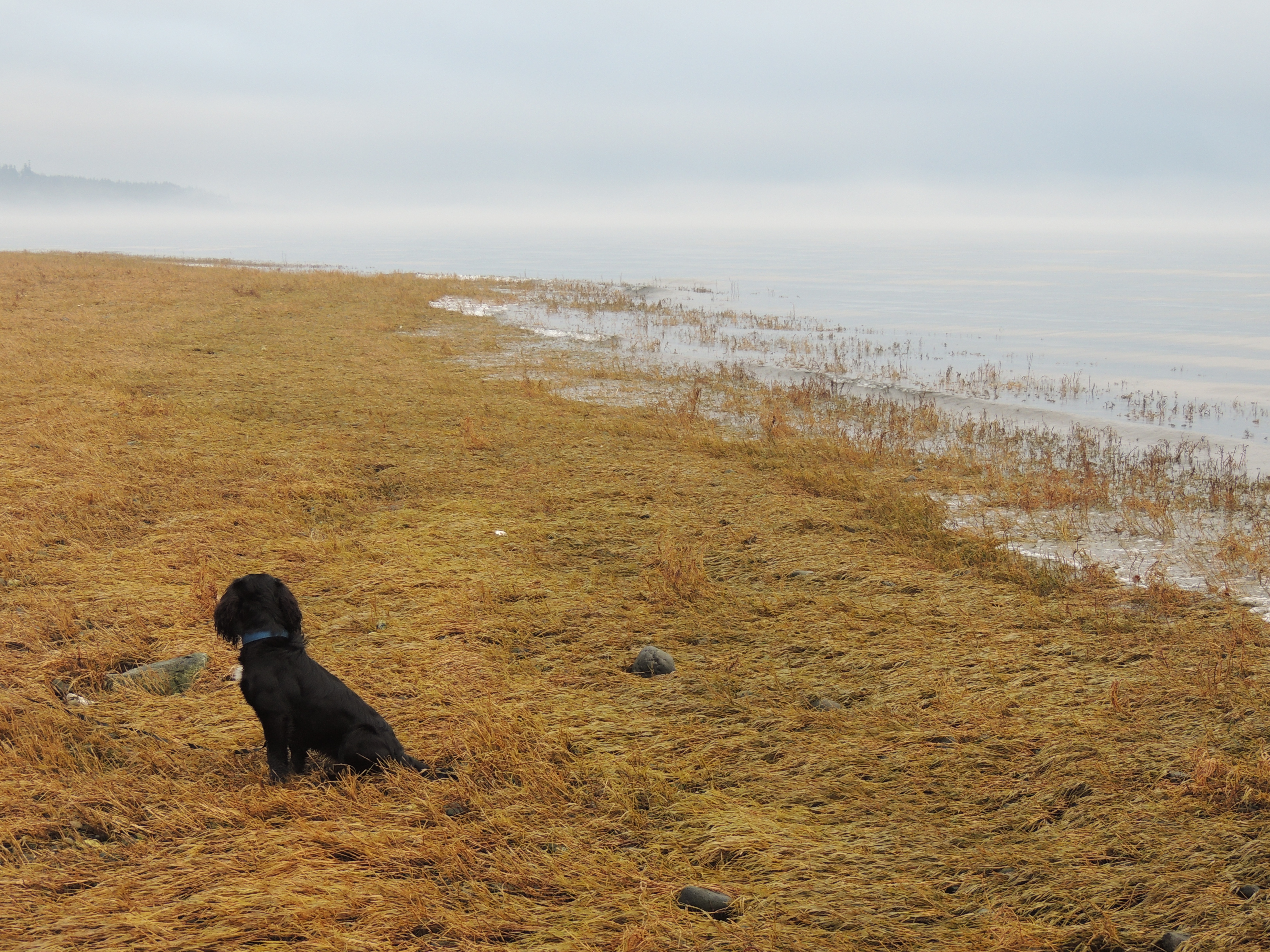
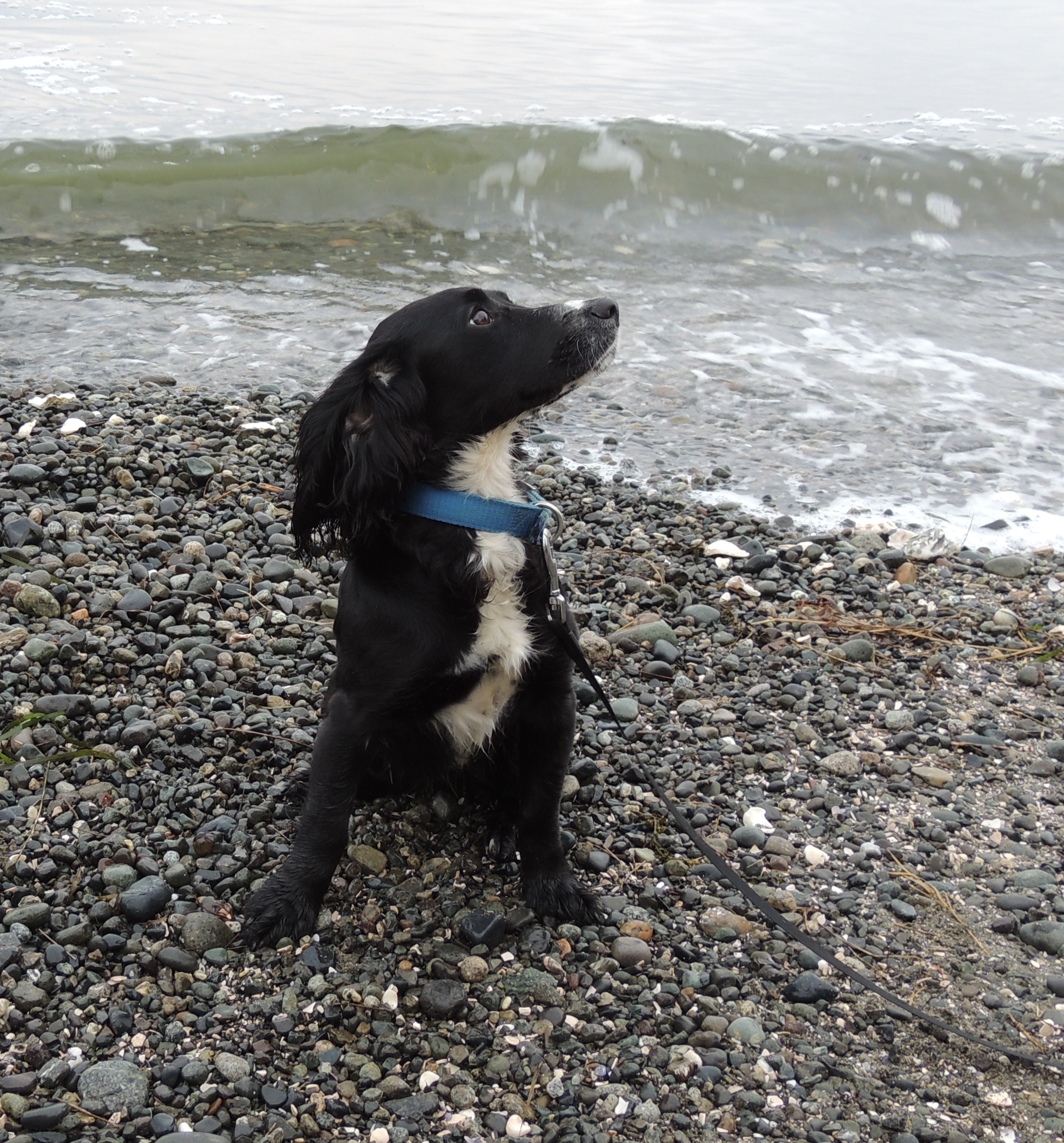
When Emma was only about a year old, we took her for an outing at the beach one day.


What looked to us to be just tired sea grasses was probably a shoreline full of life.


“Did  I see something move out there?”


“Whoah! Is that water closer than it was a second ago?”


“Are we safe here?”


“Okay, then. Just say the word, and I’ll go bring you that bird I saw down the beach.”

I’m sure I saw a movement there

Way down along the beach,

I’ll go and chase it if I dare…

But naw, it’s out of reach.


And anyway these waves are big,

The worst thing is they’re wet,

But pups like me don’t give a fig,

They haven’t hurt me yet.


So I’ll be brave and daring too,

I’ll chase those birds around,

I’ll show my folks what I can do,

And what a pup they’ve found.


29 Comments

Irony at its Best

I had a dream about my friend Percy who told me about a guy he met who had just come back from a trip to Egypt.  This traveller went on a desert tour with a group and saw some cool remnants of large monuments.  Rulers of the ancient lands liked to leave their mark with colossal statues of themselves to remind the people who is the boss, and to intimidate any would-be conquerors of his land.

One monument, in particular, left a big impression on him. It must have been spectacular in its day, but you can imagine how a couple of thousand years of weather and blowing sand would erode even the imposing 57 -foot statue of Ramses II who ruled Egypt from 1279 – 1213 BCE.

The tour guide pointed out how, even though only the legs were left standing, you could tell from the broken pieces of the king’s face that the sculptor had a real talent for showing emotion on the statue’s face. It showed the lips wrinkled up, sneering and dominating, as he frowned at any potential intruders.

Even though the whole, humongous monument was broken up (except for the legs left standing), there still remained an inscription on the pedestal that was laughable in view of the condition of the statue of this mighty king.

The whole scene told an ironic story, so Percy thought it would make a good poem.

Here is the poem Percy wrote:

Ozymandias

I met a traveller from an antique land

Who said: Two vast and trunkless legs of stone

Stand in the desert. Near them, on the sand,

Half sunk, a shattered visage lies, whose frown,

And wrinkled lip, and sneer of cold command,

Tell that its sculptor well those passions read

Which yet survive, stamped on these lifeless things,

The hand that mocked them, and the heart that fed;

And on the pedestal these words appear:

“My name is Ozymandias, king of kings:

Look upon my works, ye Mighty, and despair!”

Nothing beside remains. Round the decay

Of that colossal wreck, boundless and bare

The lone and level sands stretch far away.

Percy Bysshe Shelley


*** Did you know that Percy Bysshe Shelley drowned in a sailing mishap in 1822 just before his 30th birthday? Apparently, the boat was not seaworthy and the three people aboard were inexperienced when it was caught in bad weather off the west coast of Italy.