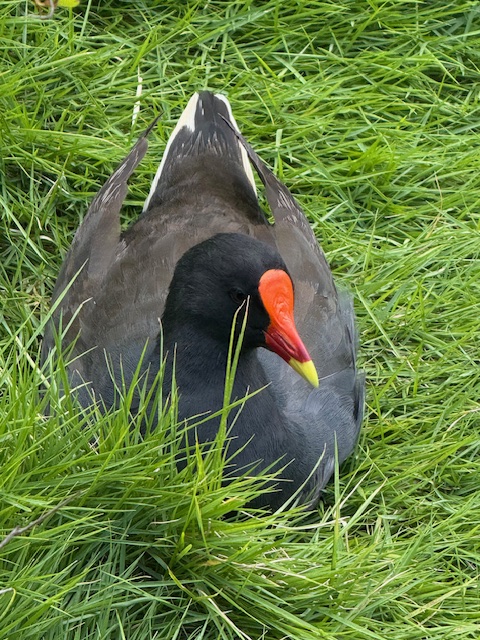
I think this is either a Eurasian moorhen or a dusky moorhen, probably the latter. They belong to the rail family.
The photo was taken by friends on the east coast of Australia.
I think this is either a Eurasian moorhen or a dusky moorhen, probably the latter. They belong to the rail family.
The photo was taken by friends on the east coast of Australia.
Not so many years ago the Comox Glacier, on Vancouver Island, had ice and snow all year round, especially on the plateau part of the landscape. I think this photo might have been taken about five years ago. It may have been early spring or late fall, but it had a good layer of ice all year.
Every year, there was less snow, even in the winter. I took the blurry photo below from the side of the road just a few days ago, using my cell phone. I didn’t care so much that it wasn’t a sharp photo. My point was made when I saw the lack of snow and ice. This is the least ice I have ever seen on the Comox Glacier. Soon this icon of the Comox Valley could be completely gone. Since I took that picture, a tiny skiff of snow has dropped on the tops of the hills, but that won’t make any difference to the huge loss of the glacier.
Our climate is definitely changing.
Do you see any signs of our changing climate where you live?
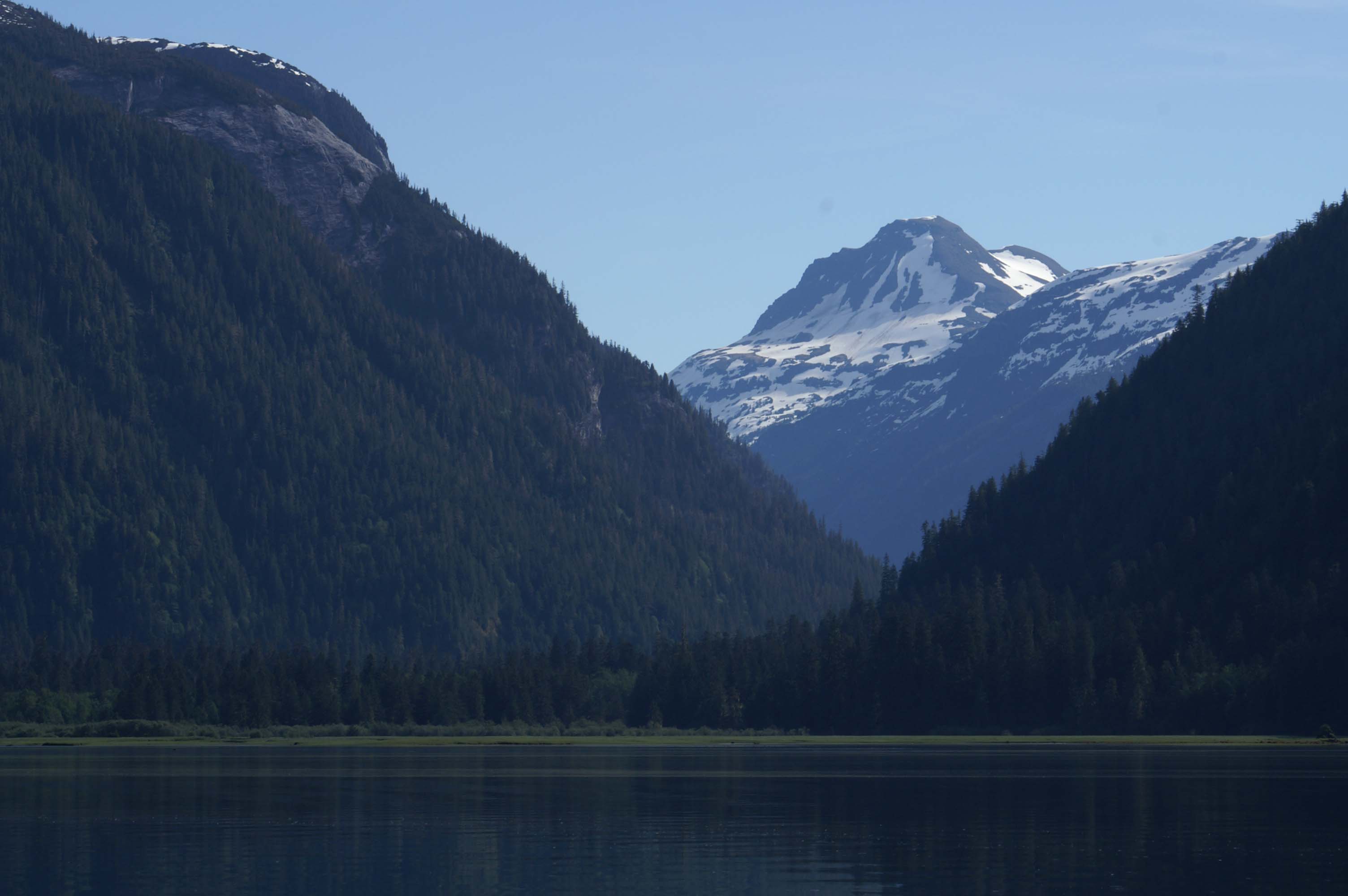
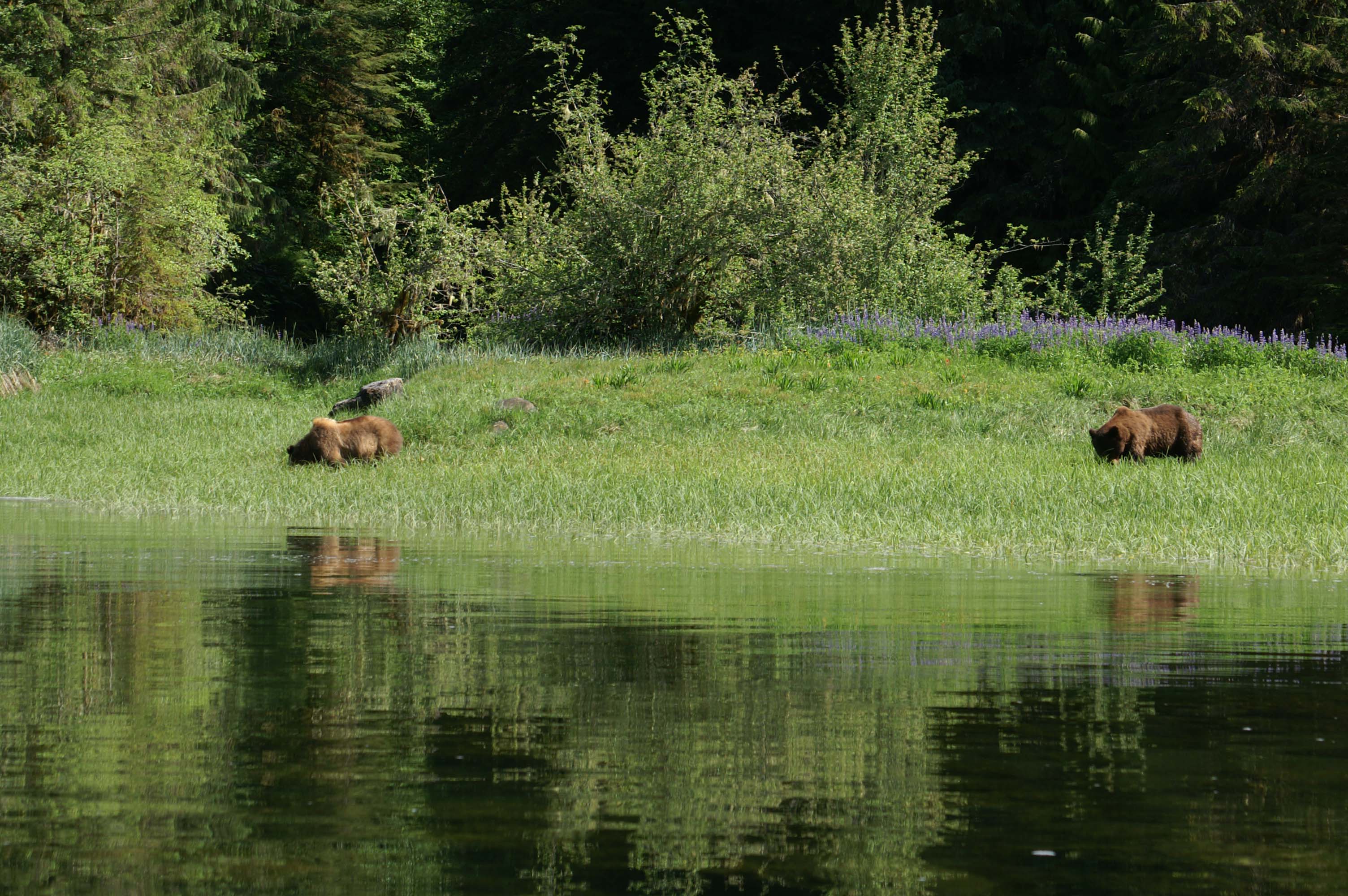
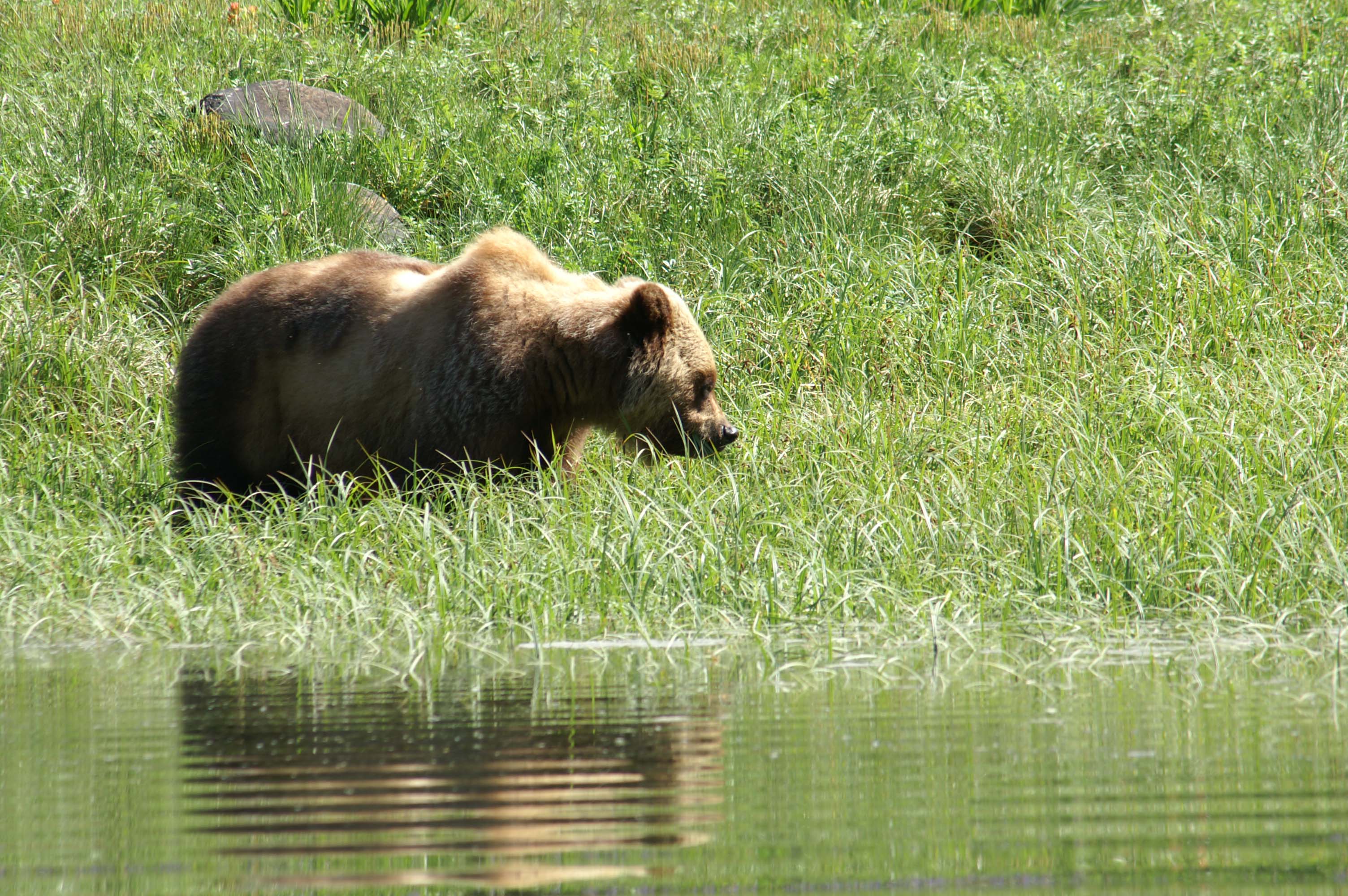
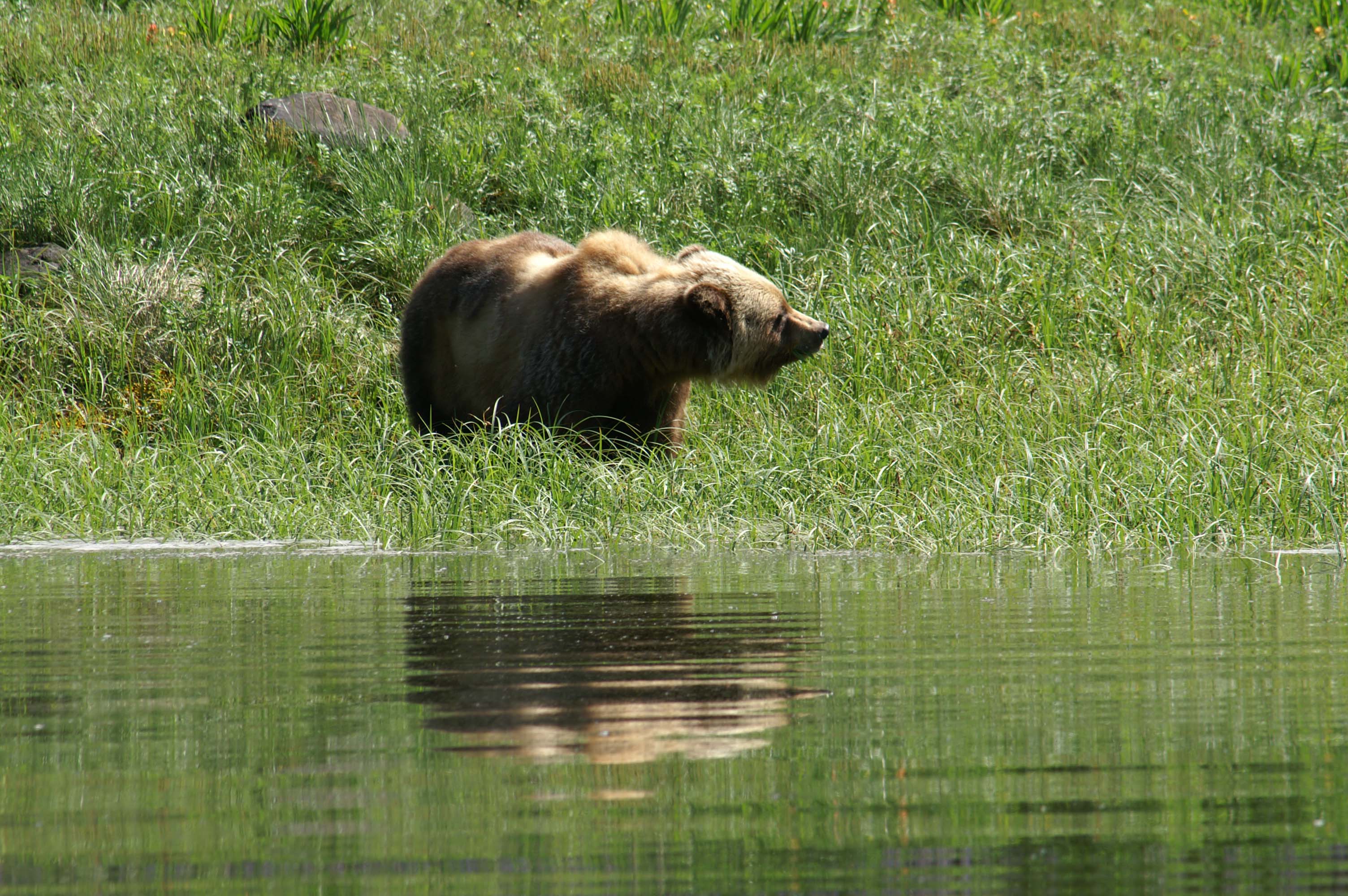
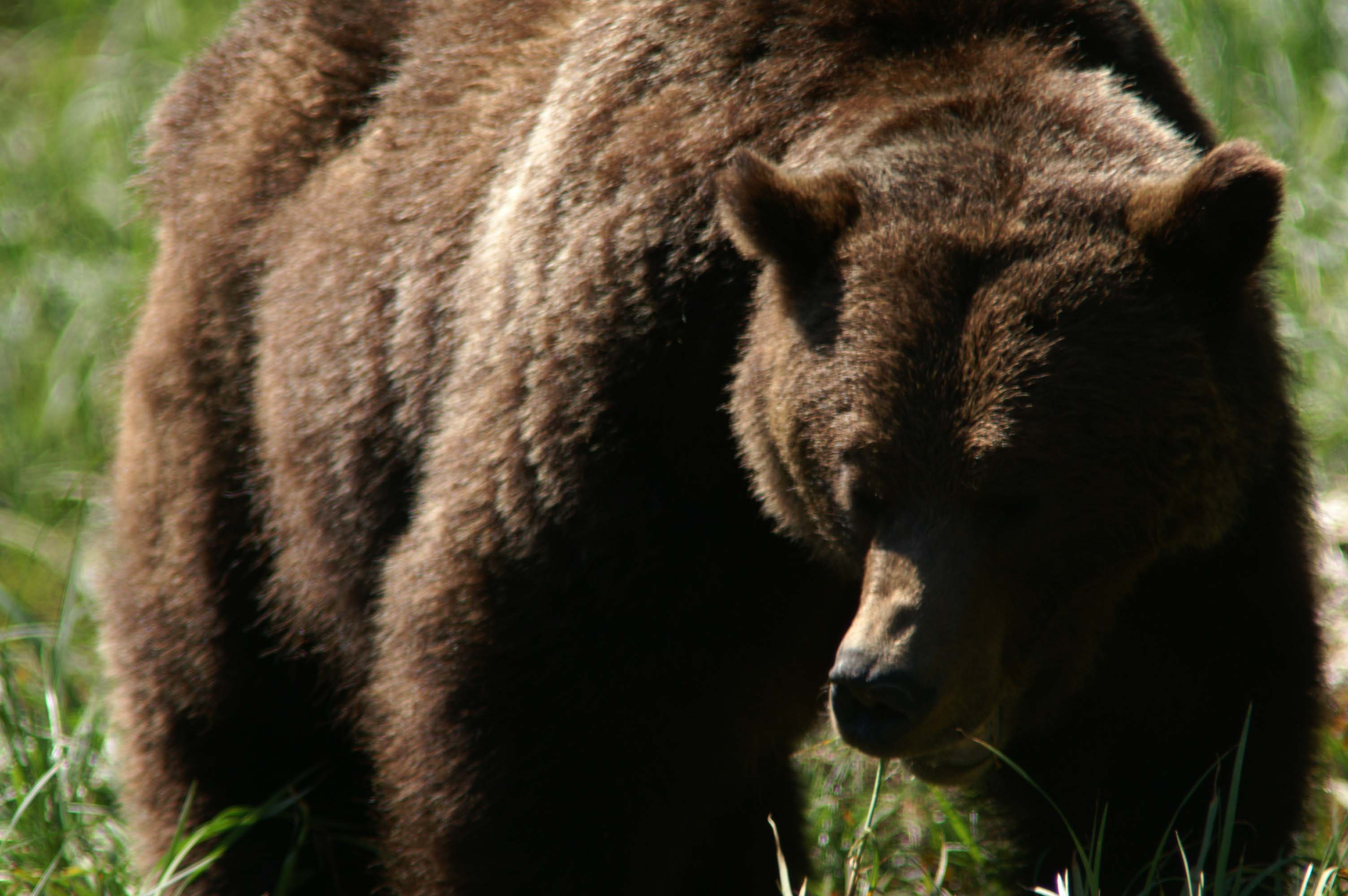
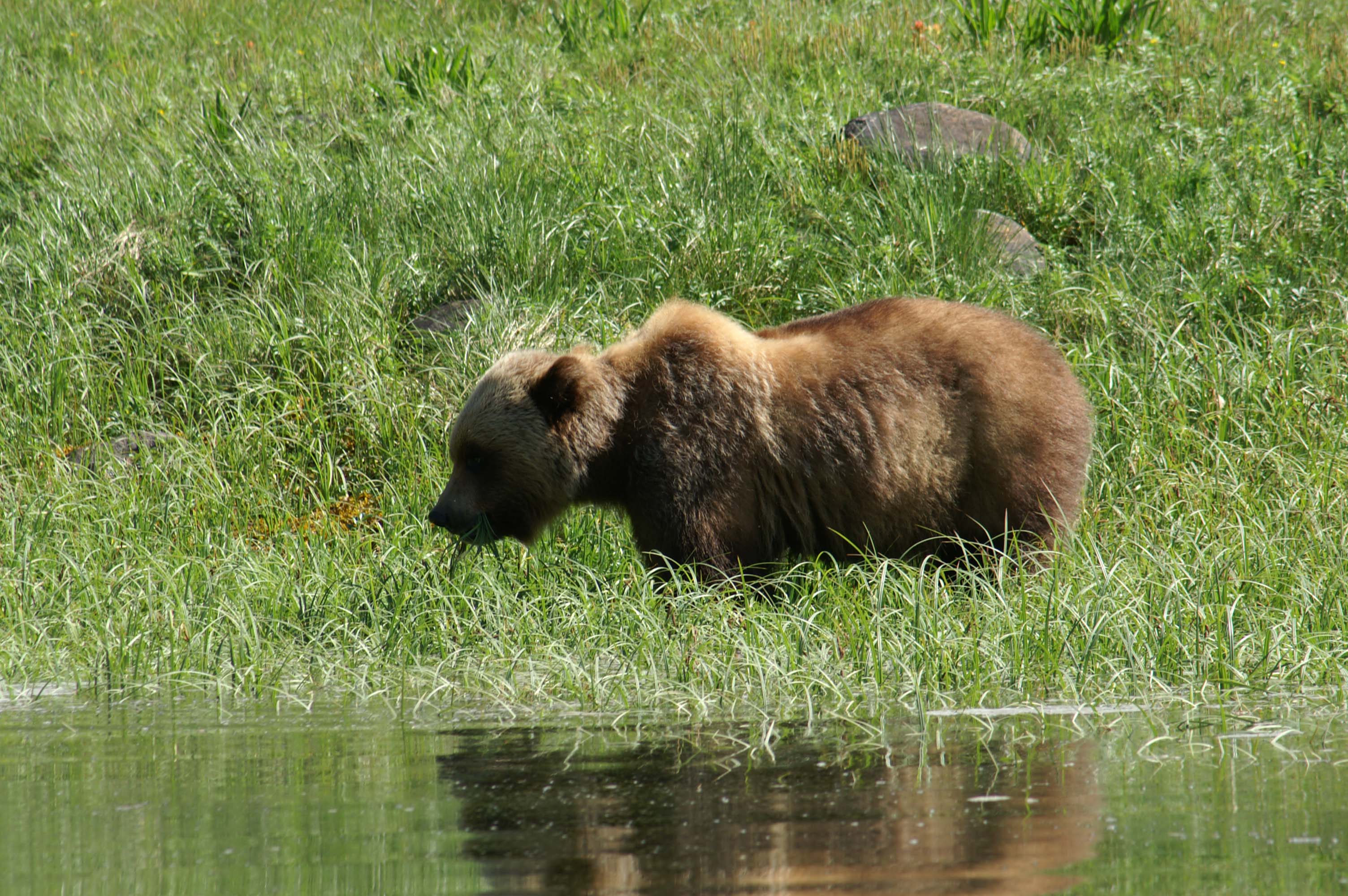
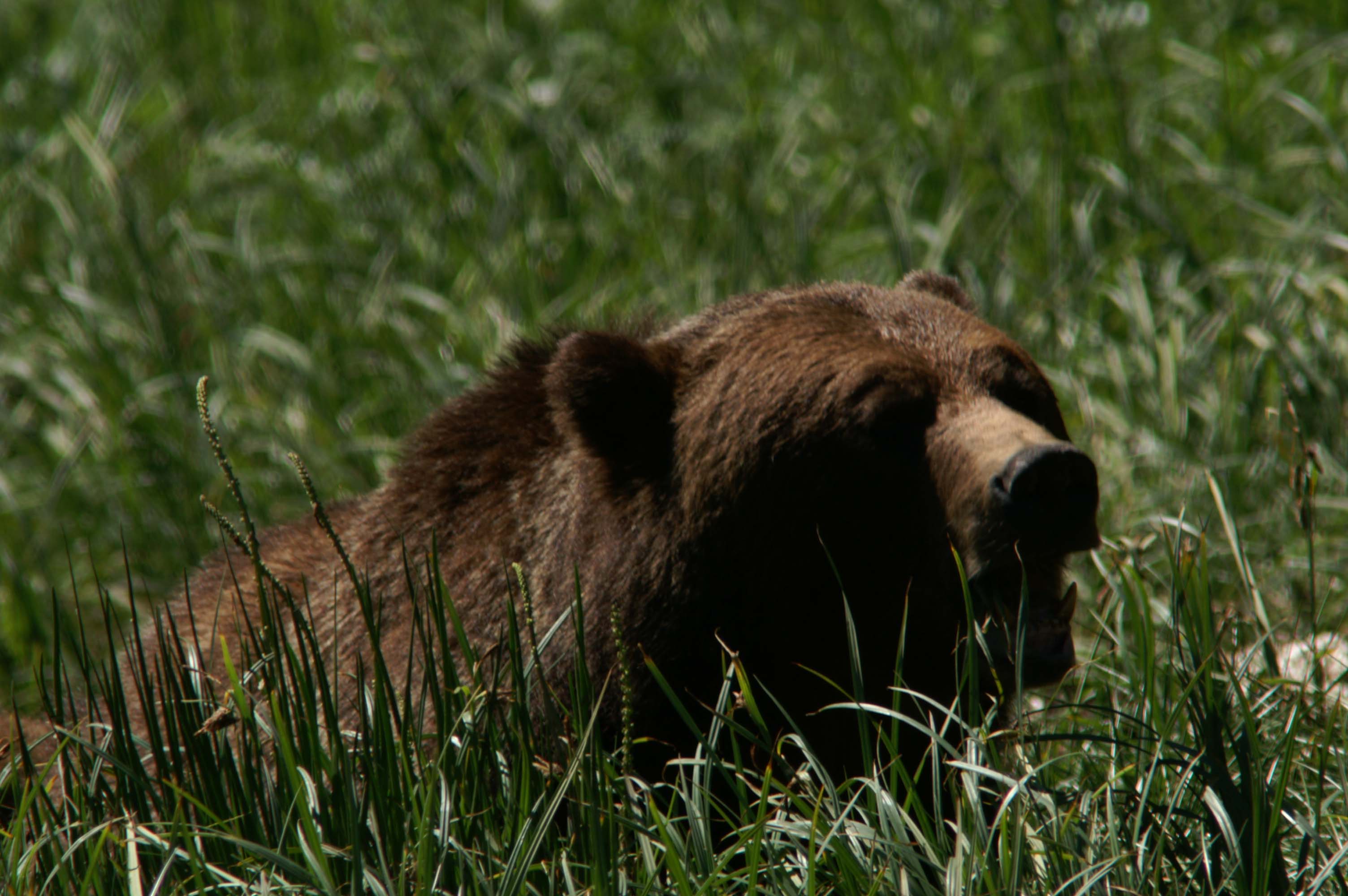
If you’re lucky enough to have a boat and can travel up Canada’s west coast, when you get close to the US (Alaska) border, you may find yourself near the Khutzeymateen Inlet, behind Somerville Island. You would then be in grizzly country. A few years ago, a friend anchored in this inlet and saw some of these wonderful bears on the beach nearby. He took these photos and I am posting them with his permission. Farther up the inlet, south of the Kateen River, is an area that, in 1994, was declared the Khutzeymateen Grizzly Bear Sanctuary.
My thanks to Ken Johnstone who kindly allowed me to use his photos.
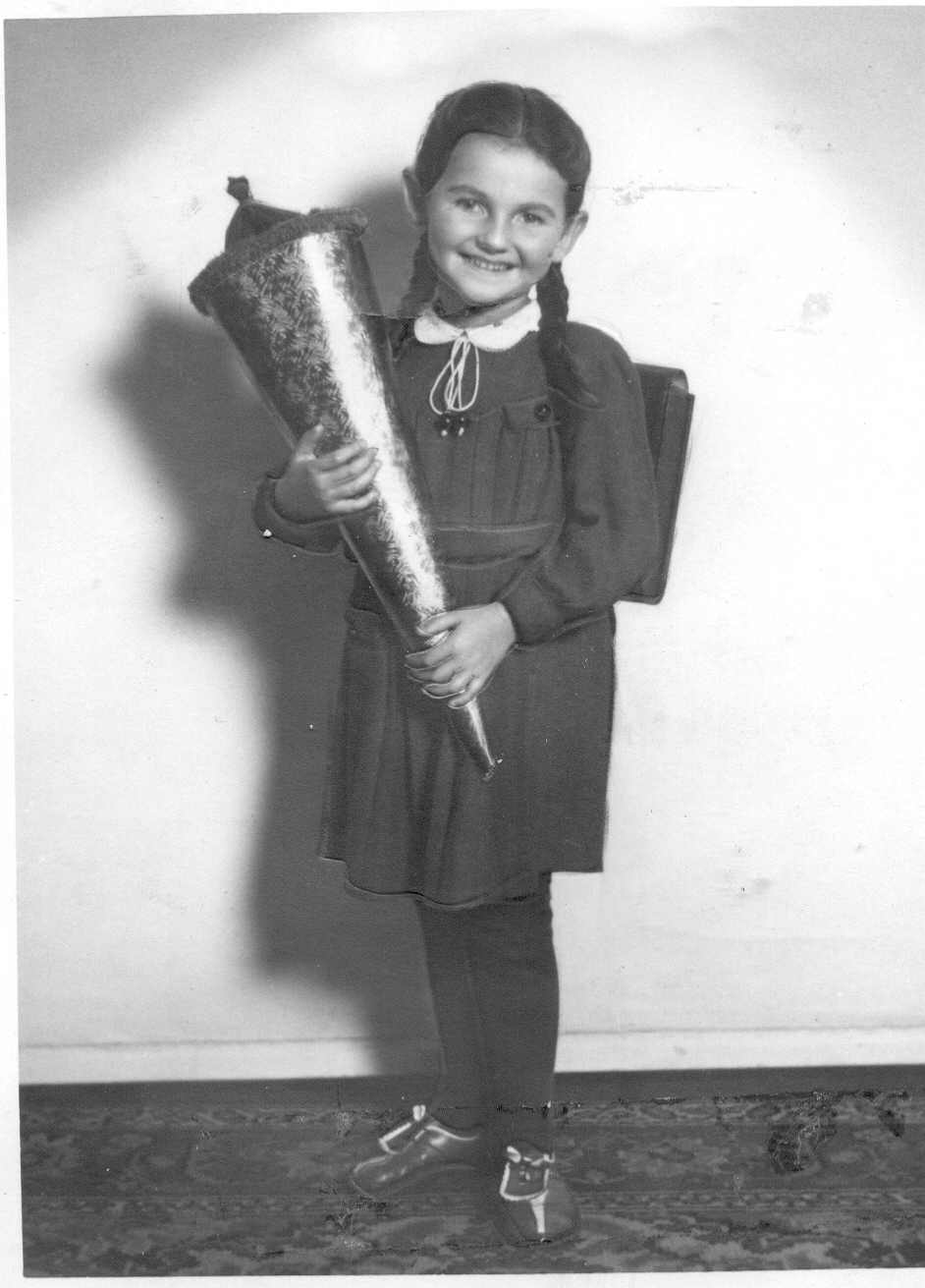
It will soon be back-to-school time, and I was remembering my very first day of school in grade one.
My dad took this picture of me that day. It was just a few weeks before we left Germany to come to Canada. I hated my hairdo then and I hated it for many years until I was allowed to have it a little bit longer so it didn’t look so chopped off.
But anyway, it’s not about my hair. It’s about this big cone. Too bad the photo is only black and white. The wrapping on the cone was so pretty. This big decorated cardboard cone is bribery, I suppose. All grade one students get one of these on the first day of school as an incentive to be brave. If you go to school without a fuss on the first day of grade one, you get this cone that is filled with goodies. My mom, who is peeking out the window to watch this memorable moment, allowed me a quick peek into my cone. I remember that it had some of that packing straw in it with a big chocolate bar under it and a bunch of grapes on top of it. Probably there were other goodies lower down, but at first glance I could only see the few things right on the top, and I wasn’t allowed to do any more peeking after that first quick look.
The rule was, you couldn’t indulge until you came home after school. As it turned out, it was a pretty good day, and I loved school every day after that, even if we didn’t get a cone full of goodies after that first day.
My left hand gives away how I felt that morning before going to school. It’s in a fist. Just a bit of tension there.
Thirteen years earlier, my older sister, Hanna, went through the same thing. Here she is with her “first day of school” cone. Like me, she had a leather schoolbag over her shoulder and I’m sure she felt every bit as important as I did on my first day. She seems a lot more relaxed than I was though.
I think it would be fun to have this tradition for first graders in Canada, but I don’t suppose that’s likely to happen. I just remember that it made an intimidating day into one of happy anticipation.
This post is inspired by those beautiful photos on Lynette’s blog where she often showcases the lakes to the north and south of Penticton, B.C. (Okanagan Lake and Skaha Lake). Please visit her blog by clicking on the link at the end of this post.
On one of Lynette’s posts I told her that the kids in my class threw me into Okanagan Lake and I promised I’d post the photo if I could find it.
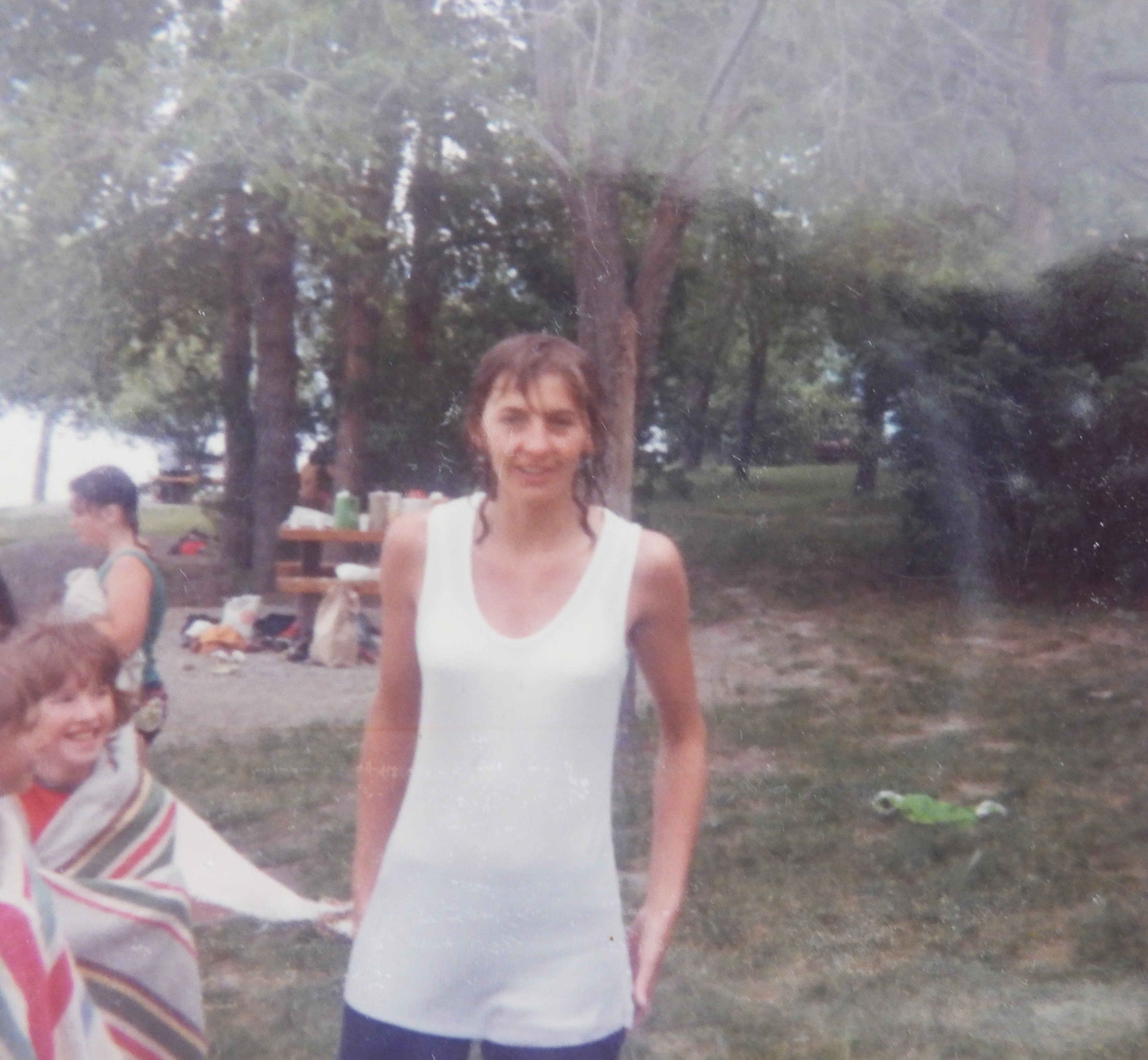
Well, it’s not flattering. I look like a drowned rat, but you can see from the look on the kids’ faces that they loved every minute of it.
It was an end-of-the-school-year picnic on Okanagan Lake and I had the help of a few of the parents to supervise and make sure no one got into trouble at the lake. I should have hired someone to save me from getting into trouble myself.
I had such a lovely class and we had a great picnic and games by the beach. But then I heard someone whisper a call for rebellion.
“Let’s throw the teacher into the lake!”
I looked for the parent helpers who suddenly were nowhere to be seen. Next thing I knew, four of my little angels had hold of my limbs, an arm or a leg each, and swung me back and forth. I heard them shouting through my squeals, “One! Two! Three! HEAVE!”
And “Splash!” That’s all she wrote.
I still remember shy little Maureen, grinning like crazy. I think it was her mother who took my picture to immortalize the drowned rat who was her child’s teacher.
That was decades ago, but I remember that splash like it was yesterday.
It’s lucky for those little eight- and nine-year-olds that I loved them all so much.
Lynette’s posts:
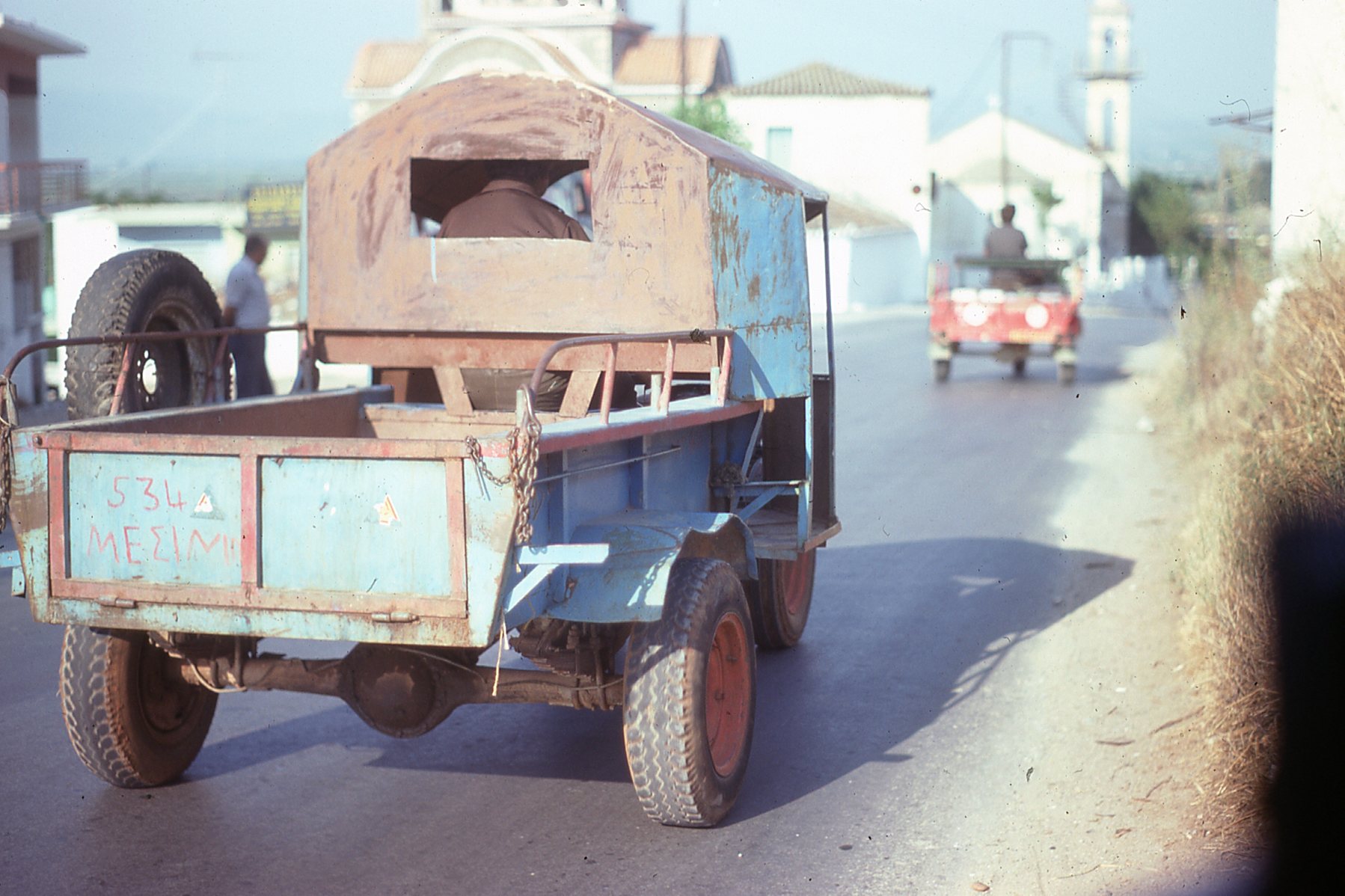
Once again, old, old photos taken with a cheap camera, but I find the content a treasure so I put up with the poor quality.
I don’t know what brand of vehicle this is, but I wonder if it’s something that was built in a backyard workshop. You can see that the vehicle up ahead is also a three-wheeler, but the blue one in the foreground looks like it has had some modifications.
One thing I wonder about is the stability of the vehicle. I can imagine that it isn’t particularly safe to go too fast around a corner or it could roll over.
Check out the license plate.
Several modes of transportation were popular.
Even the bus can have a mishap. The tools lying beside the flat tire tell the story. The driver has gone for help. Either that or he has left town. Perhaps in a three-wheeler. One less tire to go flat.
These photos were taken in Kalamata (known for its olives, although it should be known for its dogs that bark all night).
During both nights we spent in a campground in Kalamata in our VW van, once heading south and then, weeks later, heading north again, dogs in the neighbourhood barked for much of the night.
When I checked my journal that I kept in those days, I noticed that after I mentioned the dogs barking, I also made a comment about people walking around late at night. This seemed to be a common thing; women pushing their babies in strollers at 11 p.m., because it was at last cool enough to be outside. So maybe that’s what the dogs were barking at – all the people going for walks at night.
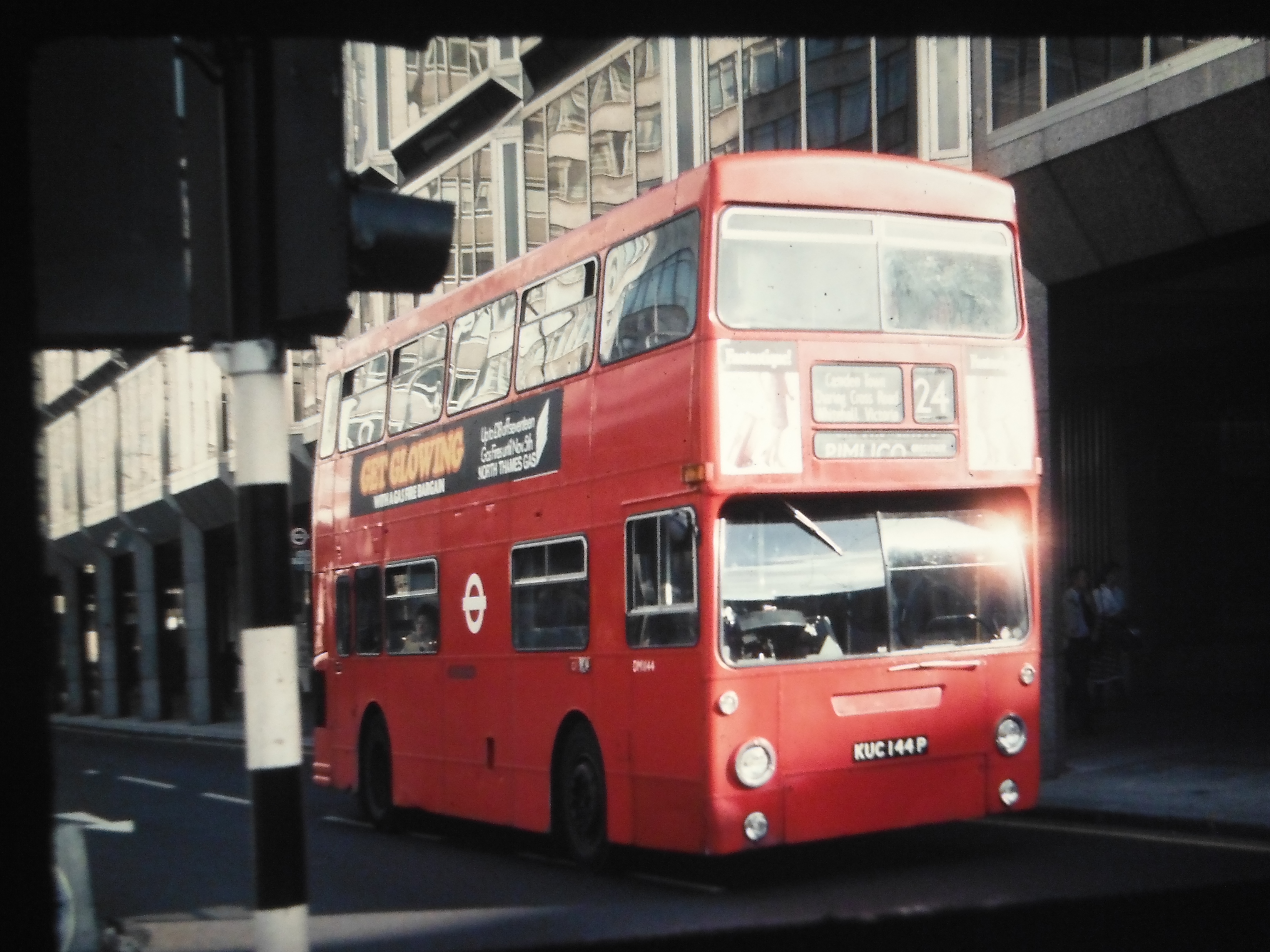
If you’ve never left North America, you may never have experienced a ride on a double decker bus like this one in London.
There is a mystery about them that no one has ever solved.
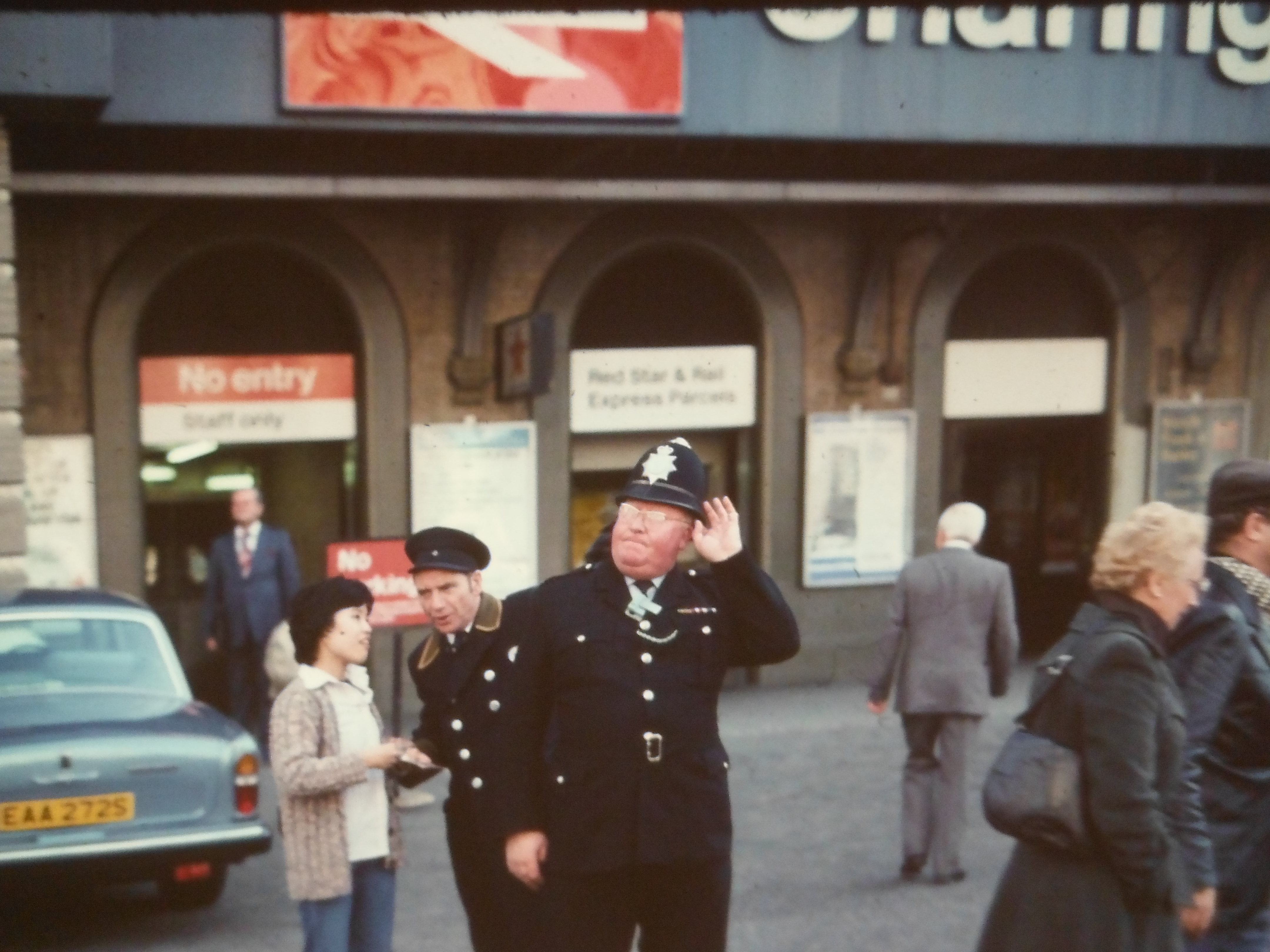
This bobby at the Charing Cross station is still trying to figure it out. He scratches his head and says, “I just can’t figure out who’s driving the top bus.”
By the way, did you know that the term “bobby” for a policeman originated from Sir Robert (Bobby) Peel, the man who founded the British Metropolitan Police (also known as Scotland Yard) in 1829? Sometimes the bobbies were also called peelers (for his last name), but that can’t be a good thing, as some may associate that term with strippers.
This ancient Greek theater of Epidaurus was built in the 4th century, BC, right into the west side of Cynortion Mountain in eastern Greece, about 70 km south of the Corinth Canal.
It can seat up to about 14,000 people and has been used for plays and concerts over many hundreds of years.
This photo was taken with a small point and click camera in 1977. The resolution is not great, but what I have noticed in more modern photos of the theater, is that some of the rocks where the stage entrance used to be in 1977, are not there anymore. In fact, much of that area, sadly, has been dismantled. Possibly it is being reconstructed, but it will never be as precious as the original rockwork. In the first photo, I am standing on the far side of that stage entrance. You can see the whole stage entrance area, from a different perspective, in the second photo.
The claim is that the acoustics of the theater are so good that even if you are sitting at the very top of the stadium you can hear a penny dropped in the center of the stage. Of course I had to find out, climbing up to the very top of the seating area. By the way, I had been thinking that it would be uncomfortable to sit through a performance seated on those rocks, but they were incredibly smooth, worn to a perfect polish from centuries of bums.
As a tour bus load of people arrived, I decided to listen in on the tour guide’s lecture. As she did her tourist guide “spiel,” she talked about the perfect acoustics and proceeded to demonstrate them. I could clearly hear the sound when a penny she dropped hit the concrete in the center of the performance area. Then she struck a match, and I heard the scratch of the match on the striking part of the matchbook, and the sizzle of the match as it flamed up.
But, not to be outdone, once the tourist show was over, the Captain took center stage and declared his love for me, calling out in his best Al Jolson imitation, “MAMMY, how I love ya, how I love ya, my dear old mammy.” Not that I was his mother, but I’ll accept the rest of the message. And it was loud and clear, without him having to shout at all.
What a brave guy!