wordsfromanneli

Thoughts, ideas, photos, and stories.


27 Comments

Insects Side by Side

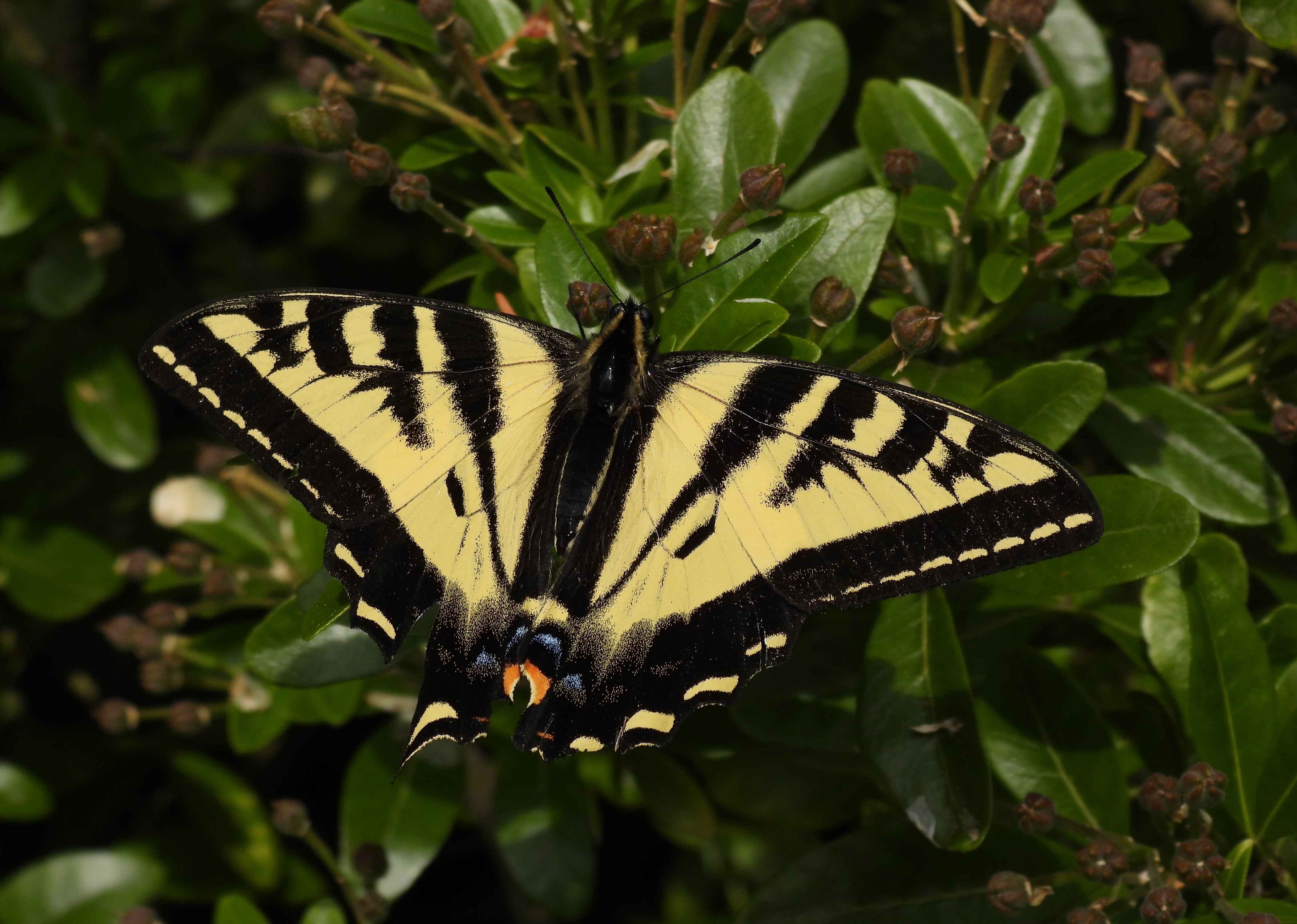
The closest I.D. I can come up with is the western tiger swallowtail (Papilio rutulus).

He was snacking on the leaves of a very large Mexican orange bush (Choisya ternata).  I wonder if he was aware of the danger that lurked less than a foot away.
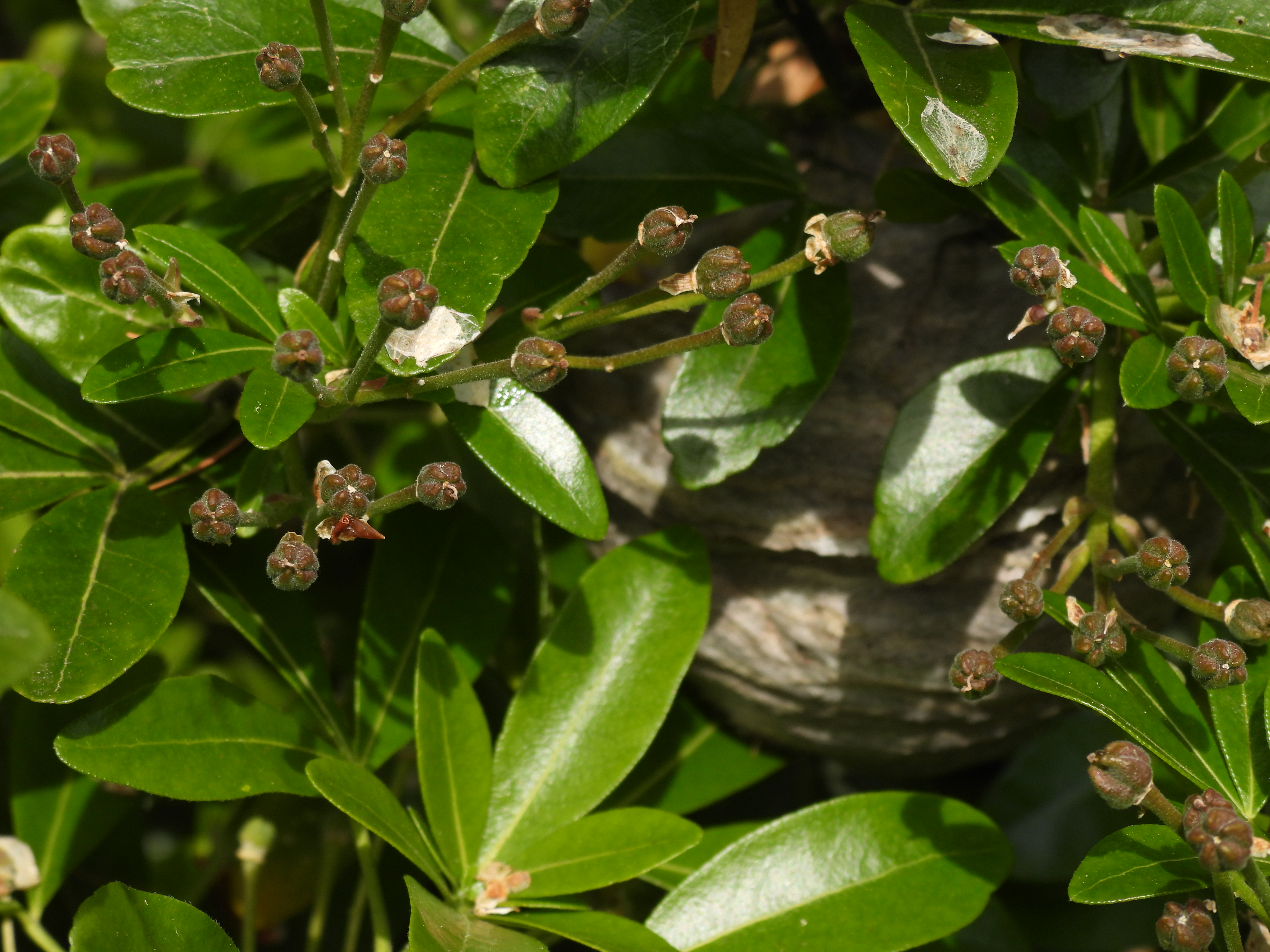
Can you spot the gray paperish wasp nest in the bottom right quadrant of the photo below?
I think this (below) is the kind of wasp that was working on the nest. It looks like a sand wasp but Wikipedia says they live in burrows in the soil (sand). Would they live in a paper nest like this? Probably not, but I don’t know…. I haven’t been able to identify this insect, but it seemed to belong to this gray paper nest. Any ideas? Not a yellow jacket.



48 Comments

Iris

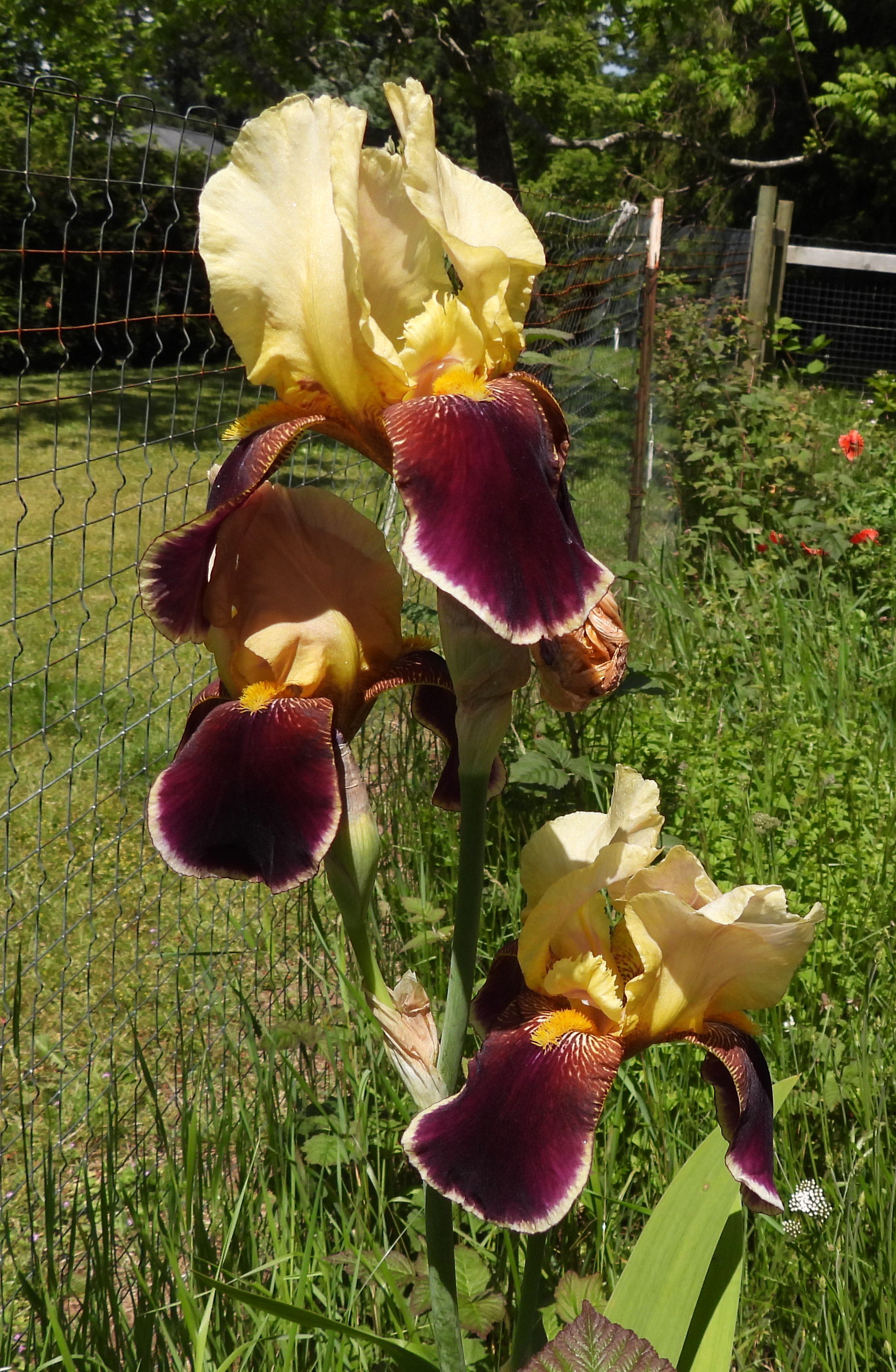
This is the last of my alternating flower and bird photo poems. I suppose I could call them phoems. Thank you to those who hung in there until the end. I’ll spare you now and space out my posts a little more.

I love the heat, yet here I am,

With lolling tongue stuck out,

But please don’t take offense, madame,

I’m no ill-mannered lout.


I lure the bees in with my tongue,

They pollinate my throat,

And even though I’m still so young,

My beauty is of note.


38 Comments

Dragonflies

Before today, I had never heard of an eight-spotted skimmer. I found pictures of a twelve-spotted skimmer, but they have an extra black spot on the end of each wingtip.

I used to be terrified of dragonflies, and nearly went off the road when one flew into the open window of my car and beat itself up on the back window as it tried to get out.

But since Belinda Grover started showing her close-up photos of insects of all sorts in her blog posts, I have learned to appreciate their beauty. Just click on her name to link to her blogsite.


The photo below was taken by a local friend, and because of Belinda’s photos of many other insects, I took a closer look at my friend’s photo and did a search to find out its name.

These dragonflies only live to be one to three years old, and most of that is in their larval stage (before they get wings which help with the mating stage), but during that winged time they eat all kinds of obnoxious smaller insects that we consider pests or that do harm to our crops. So welcome dragonflies. Eat all the little biting flies you can find. It’s too bad that this part of their life only last for about two to four weeks.

One of my favourite haiku poems (not mine) is about a dragonfly.

The dragonfly

his face is very nearly

only eye.