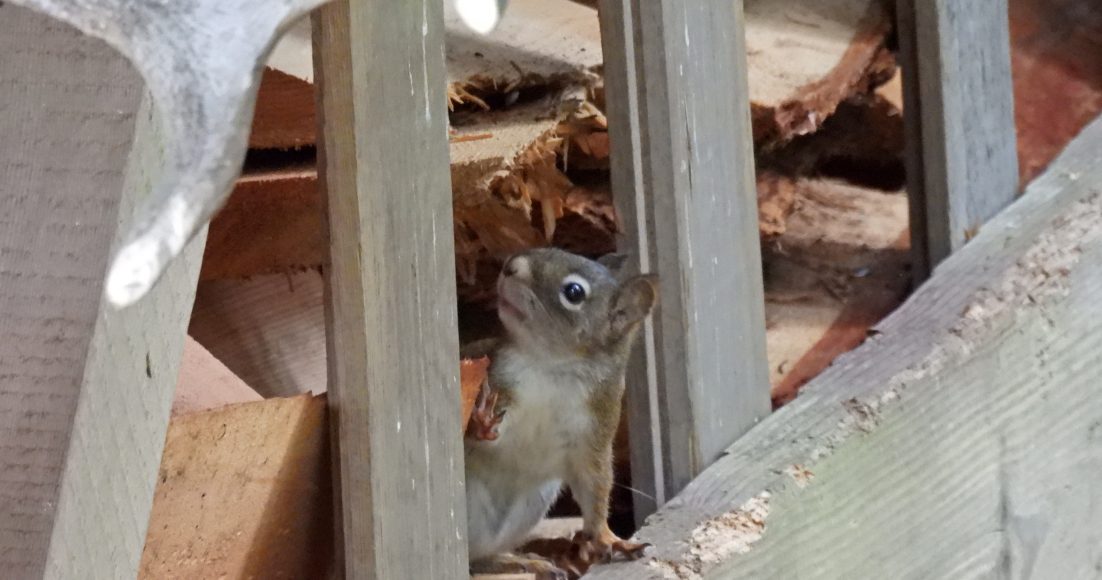
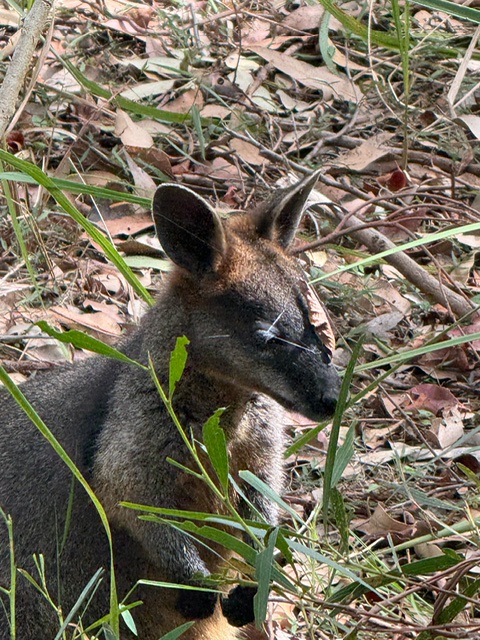
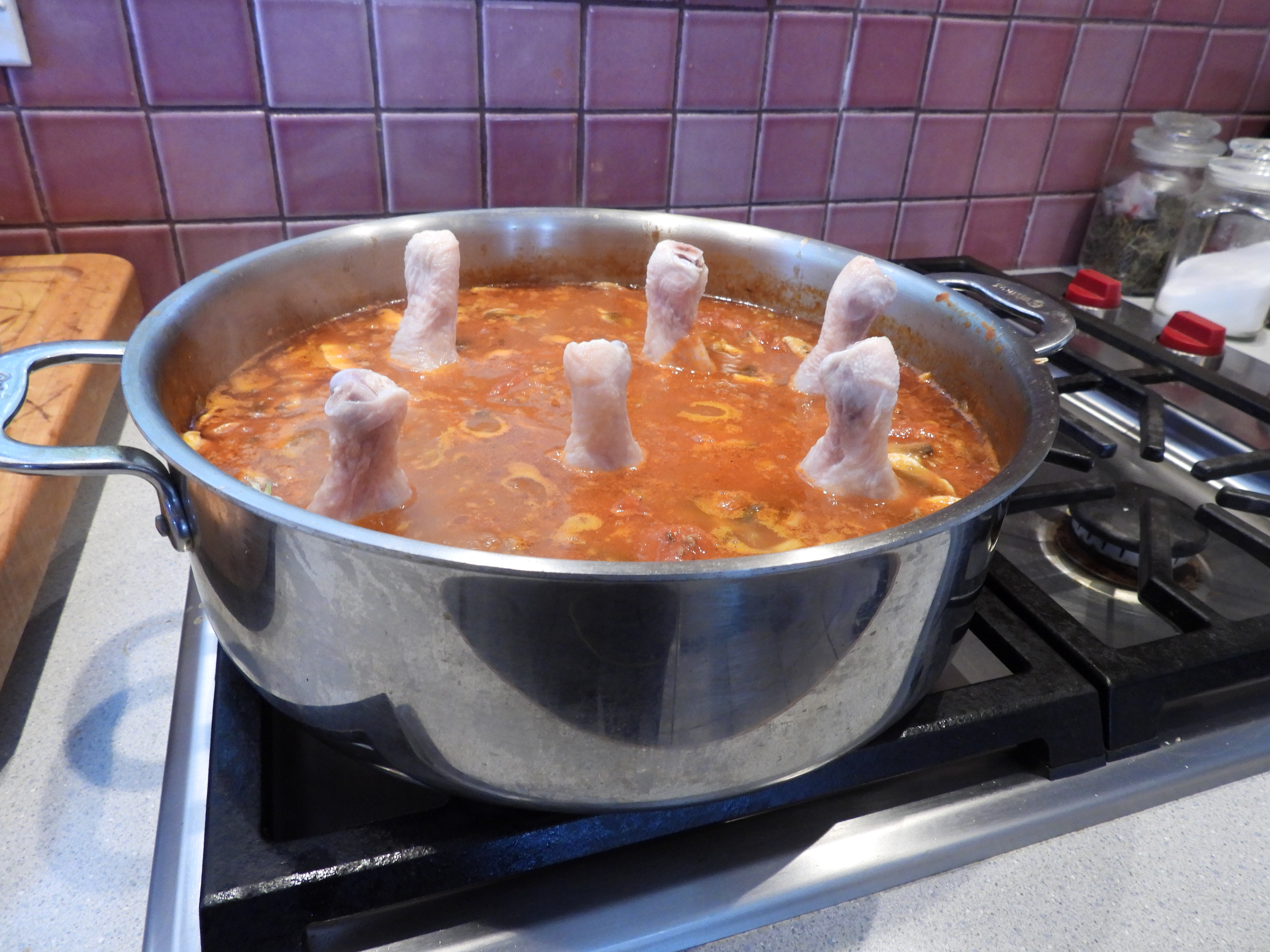
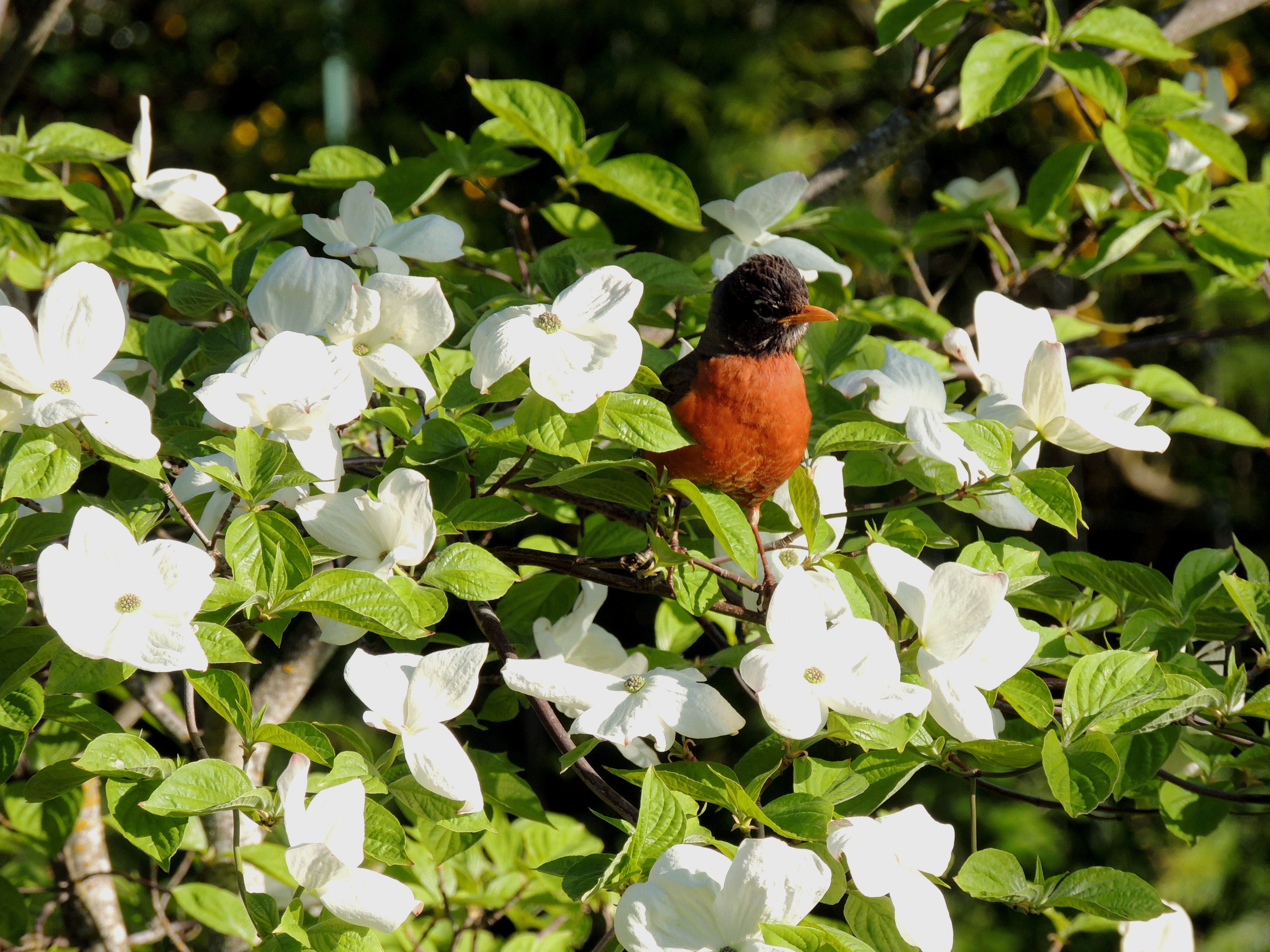
I found a perfect place for me,
A safe and sheltered perch,
As long as no one tips my tree,
Dislodged, oh, how I’d lurch.
Might as well do my nails while I’m watching the walnuts dry.
In the lower level, by the woodstove, the walnuts are bagged and almost ready to be hung above the woodstove to finish drying. I think I’ll have to get another burlap bag or maybe two more, to hold all those nuts as they dry. All the messy work of scraping the black goo from the shells has been done. Now we wait. Most days, I sneak a few to bring out to the squirrels.
I wonder if there will be any walnuts left by Christmas.
This is a copy of Brueghel’s Fall of Icarus, a painting by Pieter Brueghel the Elder.
Icarus and his father Daedalus, the architect of the labyrinth of Crete, were trying to escape imprisonment. King Minos thought Daedelus had given away the secret of how to escape the labyrinth thus allowing King Theseus of Athens to escape it. So King Minos imprisoned Daedalus and Icarus.
In an attempt to escape by flying, they put feathers on their arms and stuck them together with wax, but apparently Icarus, in spite of his father’s warning, flew too close to the sun, which melted the wax, and without wings he tumbled back to Earth. You can see him falling into the water just below the ship.
So in the 1500s, Pieter Brueghel included this event in one of his paintings. About 400 years later, W.H. Auden was inspired by this painting to write a poem about human indifference to suffering. Watch for examples of this as you read his famous poem.
When Emma was only about a year old, we took her for an outing at the beach one day.
What looked to us to be just tired sea grasses was probably a shoreline full of life.
“Did I see something move out there?”
“Whoah! Is that water closer than it was a second ago?”
“Are we safe here?”
“Okay, then. Just say the word, and I’ll go bring you that bird I saw down the beach.”
I had a dream about my friend Percy who told me about a guy he met who had just come back from a trip to Egypt. This traveller went on a desert tour with a group and saw some cool remnants of large monuments. Rulers of the ancient lands liked to leave their mark with colossal statues of themselves to remind the people who is the boss, and to intimidate any would-be conquerors of his land.
One monument, in particular, left a big impression on him. It must have been spectacular in its day, but you can imagine how a couple of thousand years of weather and blowing sand would erode even the imposing 57 -foot statue of Ramses II who ruled Egypt from 1279 – 1213 BCE.
The tour guide pointed out how, even though only the legs were left standing, you could tell from the broken pieces of the king’s face that the sculptor had a real talent for showing emotion on the statue’s face. It showed the lips wrinkled up, sneering and dominating, as he frowned at any potential intruders.
Even though the whole, humongous monument was broken up (except for the legs left standing), there still remained an inscription on the pedestal that was laughable in view of the condition of the statue of this mighty king.
The whole scene told an ironic story, so Percy thought it would make a good poem.
Here is the poem Percy wrote:
*** Did you know that Percy Bysshe Shelley drowned in a sailing mishap in 1822 just before his 30th birthday? Apparently, the boat was not seaworthy and the three people aboard were inexperienced when it was caught in bad weather off the west coast of Italy.
Seasonal changes are happening in full force now that summer has said goodbye, and autumn is settling in with the morning dew. The colour of the leaves changes, the fruit is ripe and dropping on the ground, the geese are moving from one location to another, trying to settle into new patterns to accommodate the need for shelter and food as the days and nights are cooler.
Have you noticed the fruit flies and yellow jackets? Who better to take advantage of this new availability of food than the spiders? It’s the time when the tiny spiders try to come into the house and hang unnoticed in a ceiling corner.
The giant house spider also senses that it’s time to find more warmth and tries to come inside. While these black monsters are horrifying to me, it’s the fat beige ones that make me shudder most. They hang in the fruit trees and coat my hands with their sticky webs as I try to pick fruit. They build webs, across the corners of the door to my deck and between the hanging baskets and the wall – right in my face as I walk by.
But this one! This one gets the prize. The Captain was about to get into his old beater truck to move it. He opened the driver’s side door to get in, and stopped just in time before he might have ended up wearing this spider on his nose. The spider had caught something, but it was so wrapped up that it was hard to tell what poor insect was the victim. Yes, it’s spider time!
Spring and Fall – by Gerard Manley Hopkins (1844 -1889)
to a young child
This poem is very famous and is taught in all the English classes in high school. Unfortunately, when we were in high school, we were too ignorant to really appreciate it.
Okay, not all of us were ignorant in high school, but I think it’s safe to say that many of us found this old poetry hard to understand with its twisted and jumbled sentence structure.
Here’s an example from Hopkins’ poem:
Why couldn’t the poets of that time, especially the English, just “speak English”? In those high school days, I remember thinking, what’s the good of a poem if I need someone to translate it to me (from English to English)? I still feel that way a little bit, but now, decades later, I can appreciate the language of poetry better.
BUT, having suffered through trying to understand this poem as a young adult, I now think of it every year at this time. As soon as our maple tree starts to lose its leaves, I find myself thinking (and my name is not Margaret),
And I always end up thinking, how incredibly sad it is to see those first leaves fluttering down, and I realize,
Here is Hopkins’ poem:
To a Young Child
Margaret, are you grieving
Over Goldengrove unleaving?
Leaves like the things of man, you
With your fresh thoughts care for, can you?
Ah! as the heart grows older
It will come to such sights colder
By and by, nor spare a sigh
Though worlds of wanwood leafmeal lie;
And yet you will weep and know why.
Now no matter, child, the name:
Sorrow’s springs are the same.
Nor mouth had, no nor mind, expressed
What heart heard of, ghost guessed:
It is the blight man was born for,
It is Margaret you mourn for.
*****
I have learned to appreciate good poetry, but I tend to like the kind that is more fun and less serious. Limericks, funny ditties, rhyming fun.
Still, I have my favourite serious poems too, which I hope to share with you sometime soon.
How do you feel about poetry?
It looks like a dull, gray, foggy day. Most of us would be glad to be somewhere sunny, maybe with blue water instead of that dull gray stuff. But for the fly fisherman, there’s nowhere else he’d rather be just at this moment.
It looks like he could be lost in that fog, not knowing which way to go, but I don’t think he cares right now because he just had a nibble.
More than a nibble. It might be a whale. Sure the rod isn’t bent right over, but that’s just because the fish has stopped to take a breath.
Hey! Weren’t we taught never to stand up in a boat? Maybe this fish will pull the fisherman right over into the water. No worries. He’s wearing his lifejacket. It’s one of those slim ones that inflates if you hit the water.
Worst case scenario, his camera-wielding friend might have to put the camera down and go rescue his buddy.
When I was just a baby, my older sister Ruby was the boss. She was always trying to tell me what to do.
One day, Anneli took my bed away, and I tried to claim what was left of it – just the inside part was left.
Ruby was playing the part of Miss Know-it-all.
Something moved out on the grass. Don’t forget, we’re hunting dogs. It’s our job to chase anything that moves.
But Anneli didn’t bring us food and she didn’t look like she was sorry for anything. She just laughed and said, “What are you doing in the wheelbarrow?”
Soon, while Ruby went to chase the rabbit, Anneli told me everything was okay. She had another bed fixed up for me on the deck. I tried for some compensation, but she didn’t go for it.
When she put me into the special bed on the bedroom deck, I was going to gloat a bit about how I had messed up her sliding door with nose prints. I was going to tell her, “Haha! So there! That’s what you get for making me worry about my bed,” but before I could tell her all that, I succumbed to the softness of the bed’s furry pillowcase, and off I went to Doggie Dreamland.