
I found a perfect place for me,
A safe and sheltered perch,
As long as no one tips my tree,
Dislodged, oh, how I’d lurch.

I had a dream about my friend Percy who told me about a guy he met who had just come back from a trip to Egypt. This traveller went on a desert tour with a group and saw some cool remnants of large monuments. Rulers of the ancient lands liked to leave their mark with colossal statues of themselves to remind the people who is the boss, and to intimidate any would-be conquerors of his land.
One monument, in particular, left a big impression on him. It must have been spectacular in its day, but you can imagine how a couple of thousand years of weather and blowing sand would erode even the imposing 57 -foot statue of Ramses II who ruled Egypt from 1279 – 1213 BCE.
The tour guide pointed out how, even though only the legs were left standing, you could tell from the broken pieces of the king’s face that the sculptor had a real talent for showing emotion on the statue’s face. It showed the lips wrinkled up, sneering and dominating, as he frowned at any potential intruders.
Even though the whole, humongous monument was broken up (except for the legs left standing), there still remained an inscription on the pedestal that was laughable in view of the condition of the statue of this mighty king.
The whole scene told an ironic story, so Percy thought it would make a good poem.
Here is the poem Percy wrote:
*** Did you know that Percy Bysshe Shelley drowned in a sailing mishap in 1822 just before his 30th birthday? Apparently, the boat was not seaworthy and the three people aboard were inexperienced when it was caught in bad weather off the west coast of Italy.
Seasonal changes are happening in full force now that summer has said goodbye, and autumn is settling in with the morning dew. The colour of the leaves changes, the fruit is ripe and dropping on the ground, the geese are moving from one location to another, trying to settle into new patterns to accommodate the need for shelter and food as the days and nights are cooler.
Have you noticed the fruit flies and yellow jackets? Who better to take advantage of this new availability of food than the spiders? It’s the time when the tiny spiders try to come into the house and hang unnoticed in a ceiling corner.
The giant house spider also senses that it’s time to find more warmth and tries to come inside. While these black monsters are horrifying to me, it’s the fat beige ones that make me shudder most. They hang in the fruit trees and coat my hands with their sticky webs as I try to pick fruit. They build webs, across the corners of the door to my deck and between the hanging baskets and the wall – right in my face as I walk by.
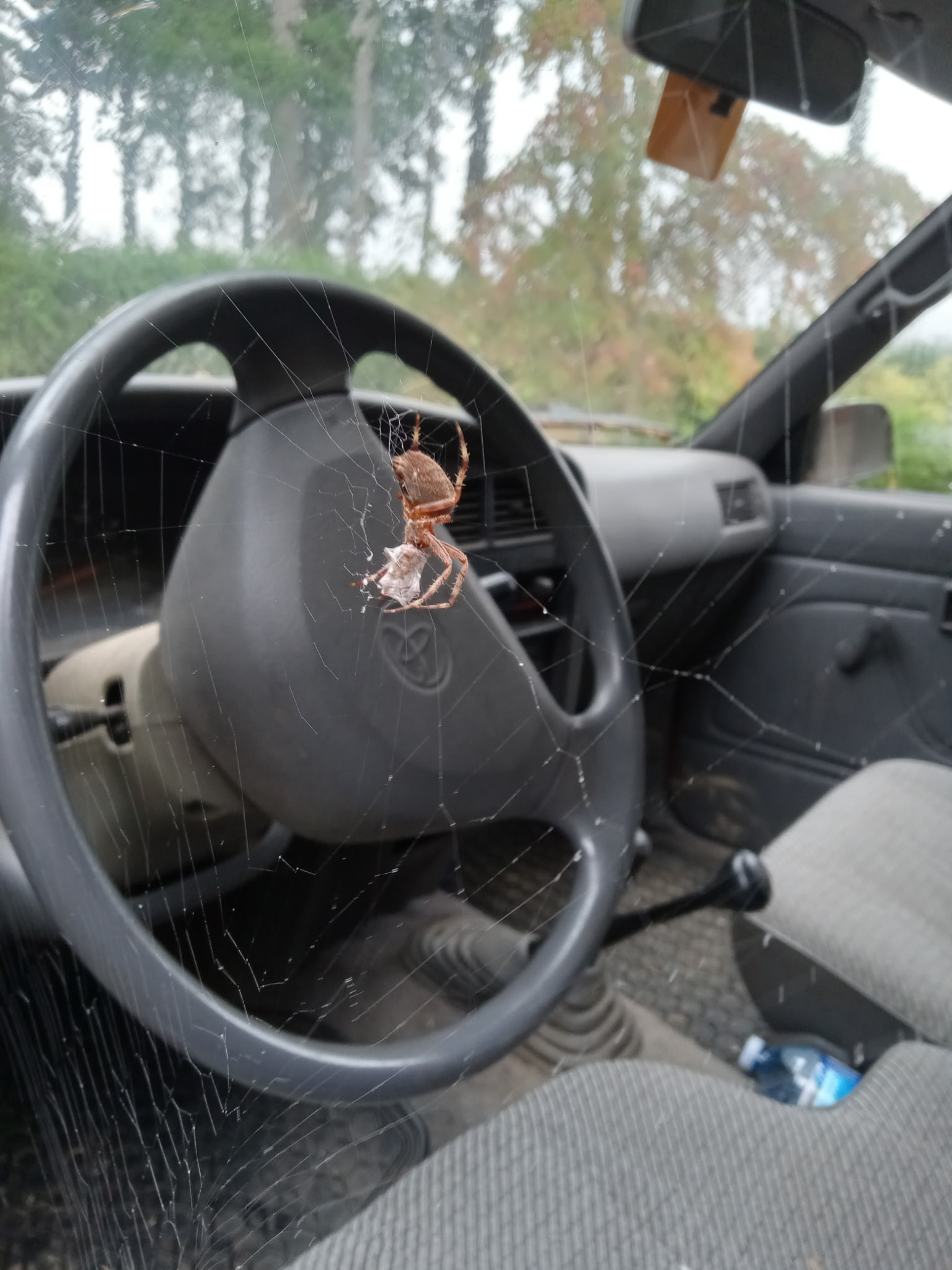
But this one! This one gets the prize. The Captain was about to get into his old beater truck to move it. He opened the driver’s side door to get in, and stopped just in time before he might have ended up wearing this spider on his nose. The spider had caught something, but it was so wrapped up that it was hard to tell what poor insect was the victim. Yes, it’s spider time!
Spring and Fall – by Gerard Manley Hopkins (1844 -1889)
to a young child
This poem is very famous and is taught in all the English classes in high school. Unfortunately, when we were in high school, we were too ignorant to really appreciate it.
Okay, not all of us were ignorant in high school, but I think it’s safe to say that many of us found this old poetry hard to understand with its twisted and jumbled sentence structure.
Here’s an example from Hopkins’ poem:
Why couldn’t the poets of that time, especially the English, just “speak English”? In those high school days, I remember thinking, what’s the good of a poem if I need someone to translate it to me (from English to English)? I still feel that way a little bit, but now, decades later, I can appreciate the language of poetry better.
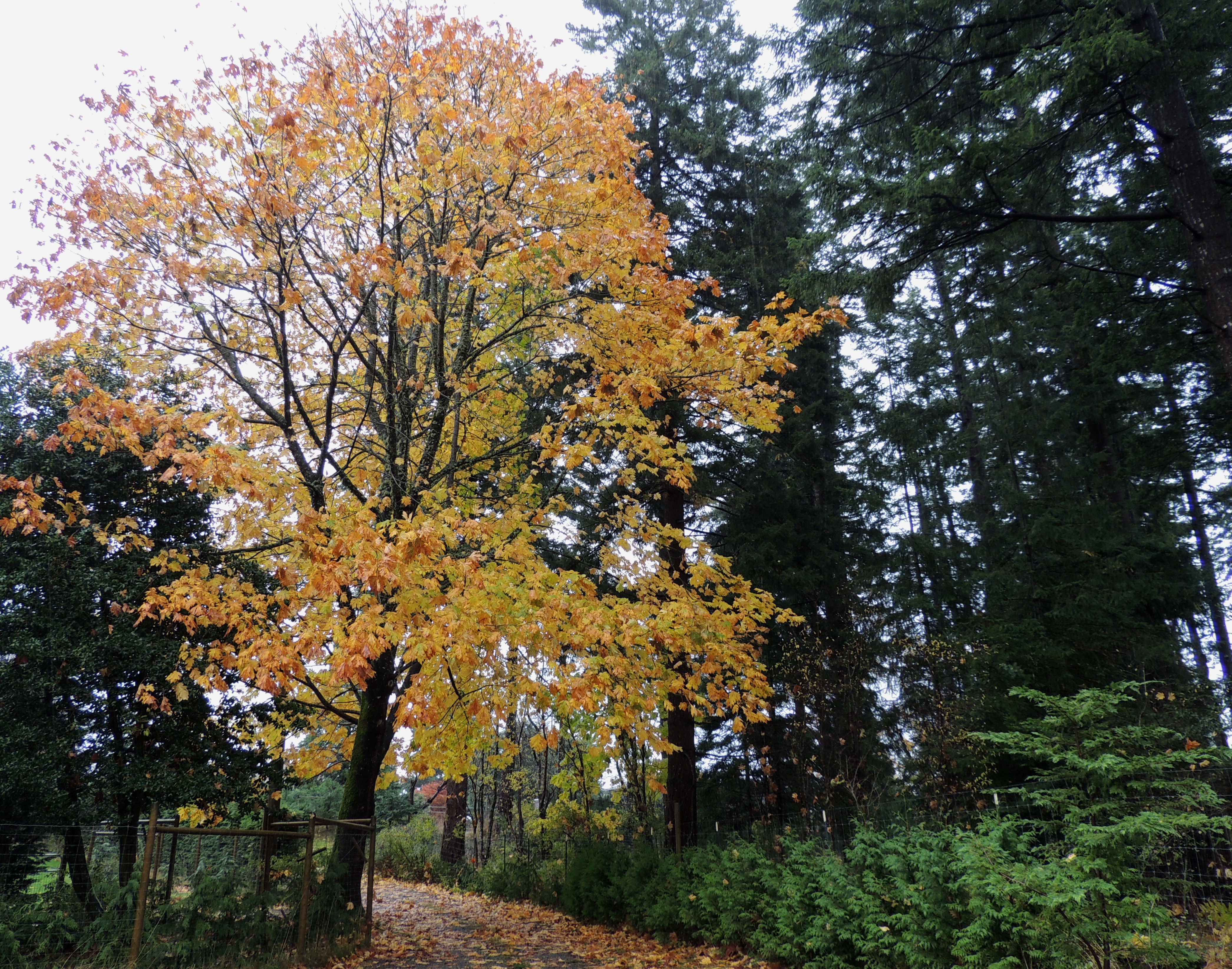
BUT, having suffered through trying to understand this poem as a young adult, I now think of it every year at this time. As soon as our maple tree starts to lose its leaves, I find myself thinking (and my name is not Margaret),
And I always end up thinking, how incredibly sad it is to see those first leaves fluttering down, and I realize,
Here is Hopkins’ poem:
To a Young Child
Margaret, are you grieving
Over Goldengrove unleaving?
Leaves like the things of man, you
With your fresh thoughts care for, can you?
Ah! as the heart grows older
It will come to such sights colder
By and by, nor spare a sigh
Though worlds of wanwood leafmeal lie;
And yet you will weep and know why.
Now no matter, child, the name:
Sorrow’s springs are the same.
Nor mouth had, no nor mind, expressed
What heart heard of, ghost guessed:
It is the blight man was born for,
It is Margaret you mourn for.
*****
I have learned to appreciate good poetry, but I tend to like the kind that is more fun and less serious. Limericks, funny ditties, rhyming fun.
Still, I have my favourite serious poems too, which I hope to share with you sometime soon.
How do you feel about poetry?
I’m tired of washing, pitting, and freezing plums. The pears and apples are finished except for one winter apple tree that will be ready in about three weeks. So now it’s time to have a look at the walnut tree.
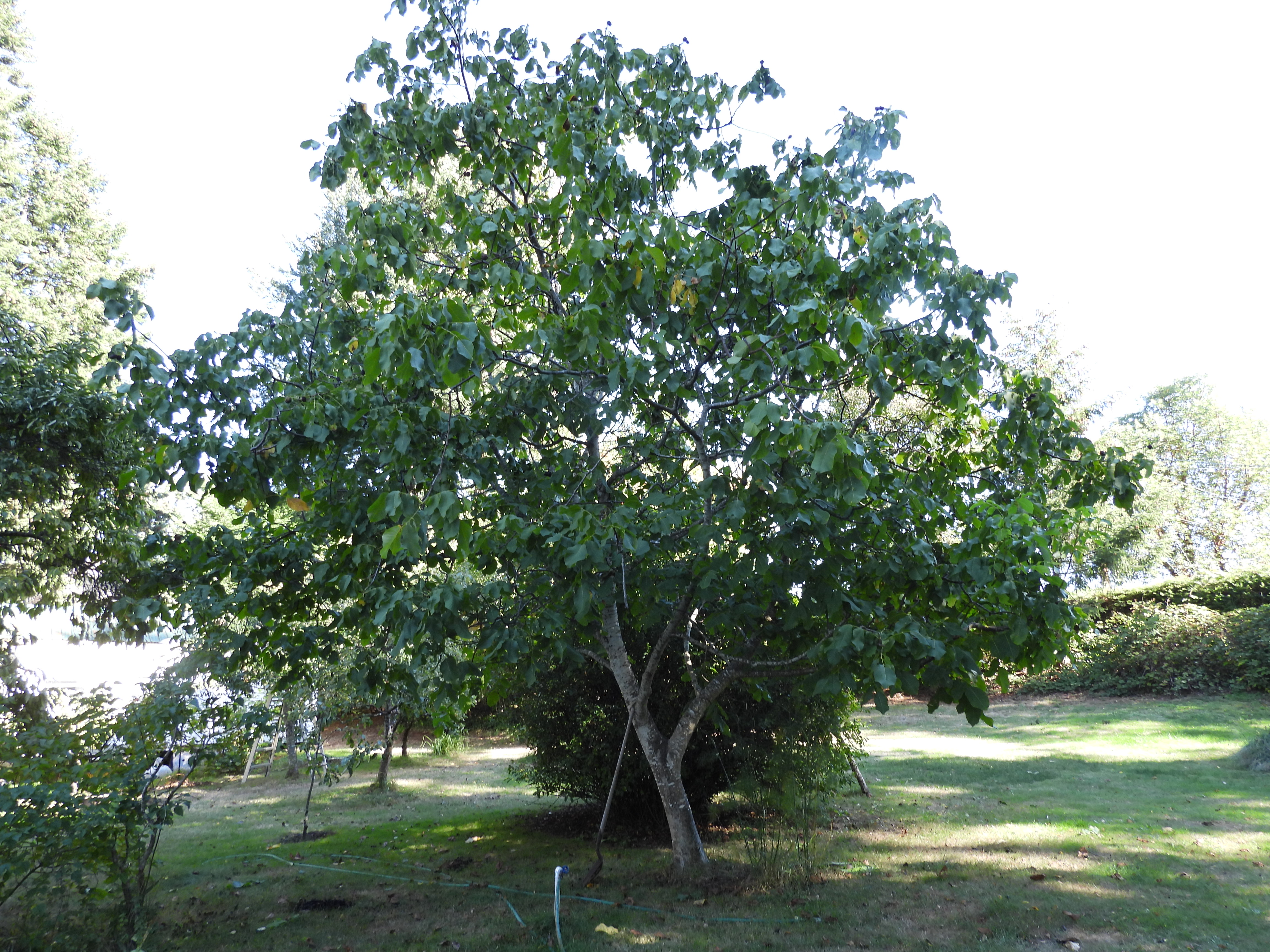
A closer look will show a few walnuts still hanging on. Some look dark and some quite green, but that is only the outer husk you are looking at. As the nut grows and the husk dries out, the nut and what’s left of its husk fall to the ground.

This one shouldn’t be too hard to pop out of its husk, but beware, the inside of that green coating stains like crazy. It would make a perfect “walnut” furniture stain. My hands always seem to end up looking like part of a walnut end table.


Once the husk is off the walnut, you can see the walnut that we are more familiar with, but it still needs some drying time. A burlap bag hung on the wall beside the woodstove is the perfect place to dry the walnuts.
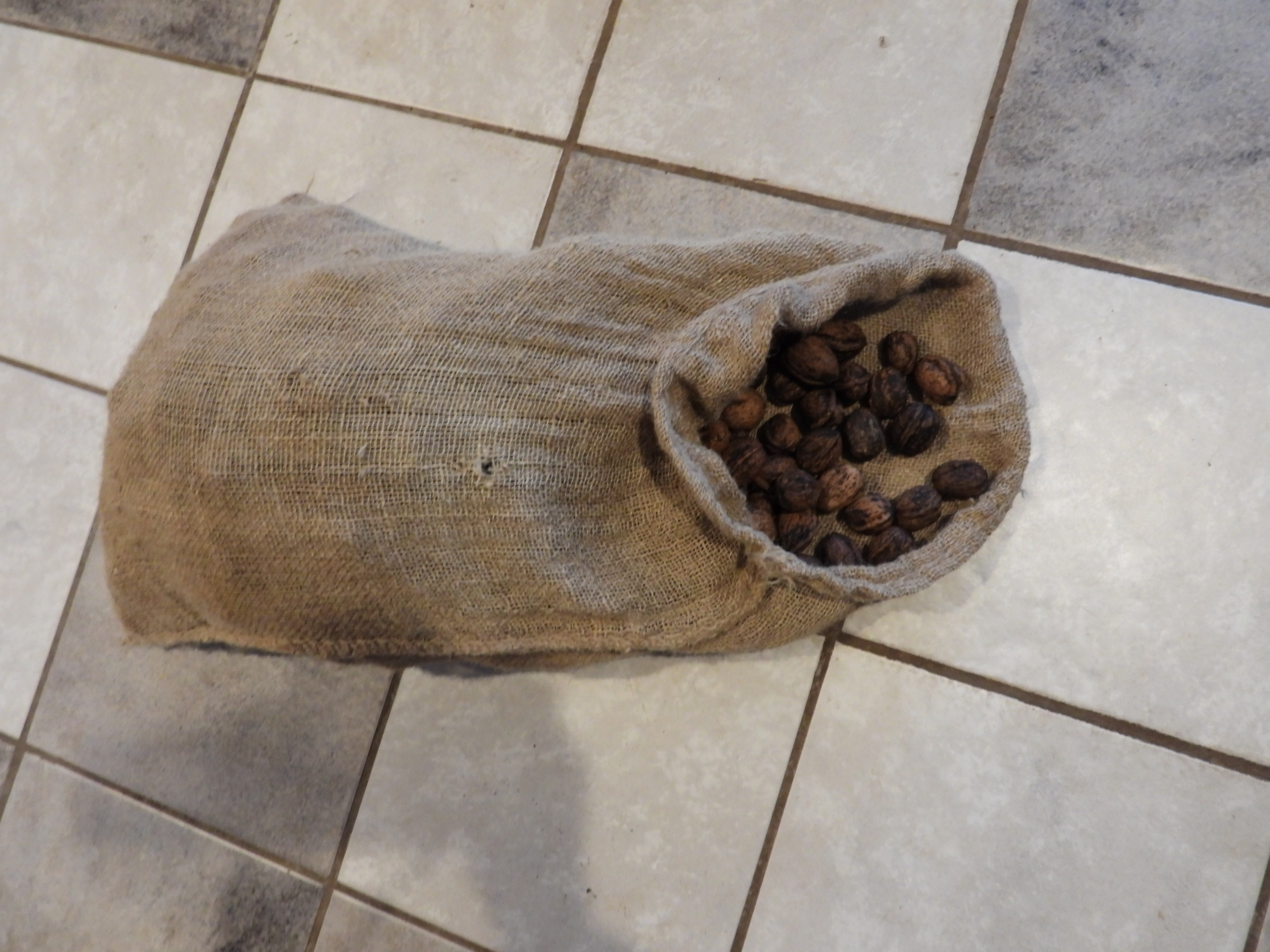
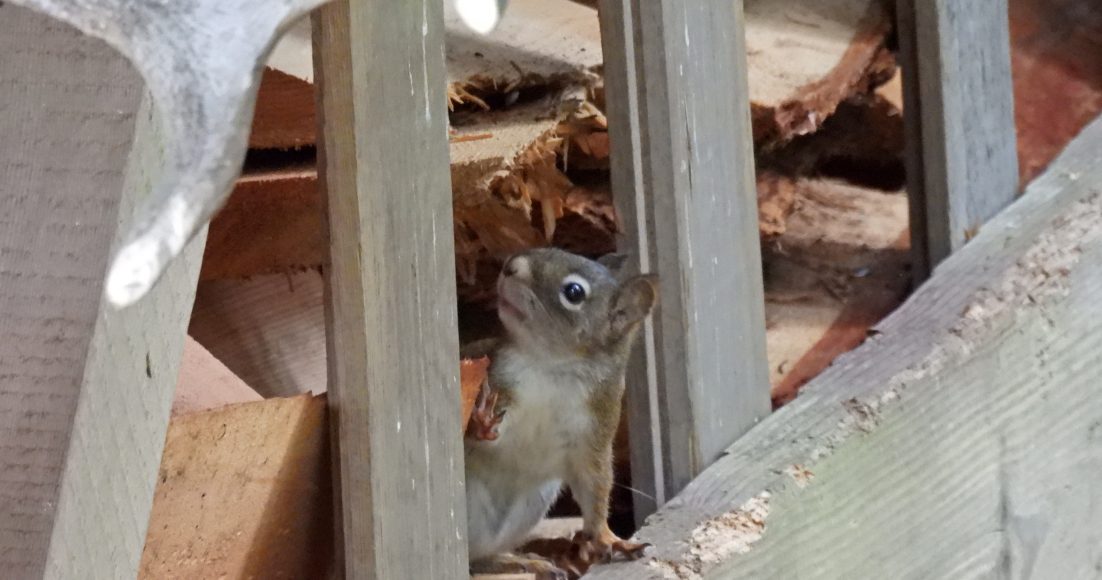
Every couple of days I sneak some and take them to the woodshed as an offering to my squirrels.
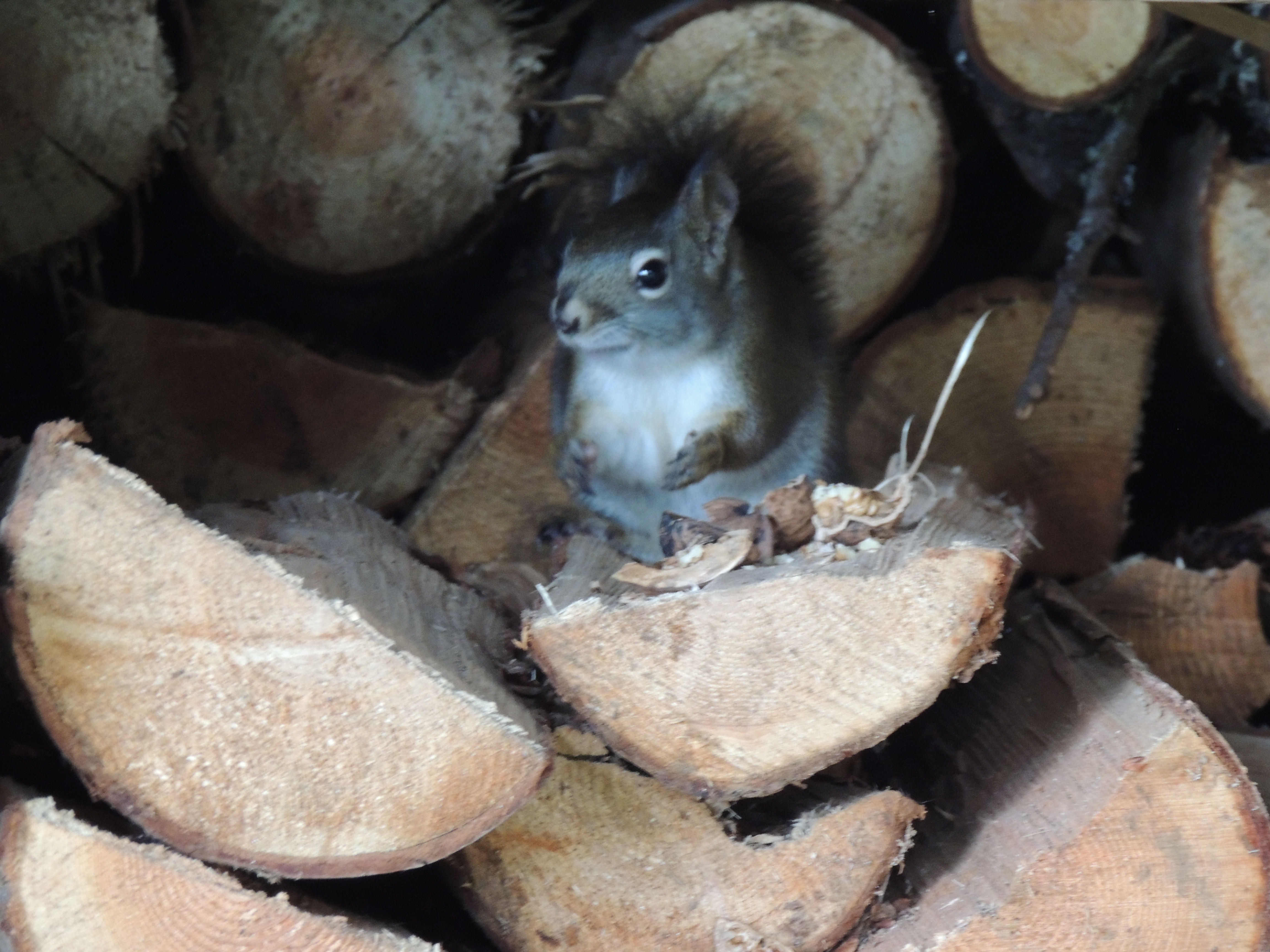
“Thank you, Anneli,” Crispin chatters.


This carpet python is not the same one as in the previous post, but the story happened nearby. My friend noticed the snake lying near the road and wondered if it had been run over. If not, it soon could be. She dropped a stick on it to see if it would move, and as you can see, it did not. In order to move it away from the roadside, she considered picking it up, but, as these snakes can be heavy and she is not a weightlifter, she called on a friend to come and help. (I chuckle when I imagine that these are her excuses for not feeling comfortable handling a snake. I wouldn’t be either.)
As you may know, snakes don’t hibernate in the sense that mammals do, but they will den up and cuddle for warmth. As the weather cools, the snakes tend to slow down if they can’t find a sunny spot to stay warm.
This particular fellow was stranded in a cool place and his already cool blood was not able to keep him active. He was pretty much stuck. You might say he was close to having “viperthermia.”
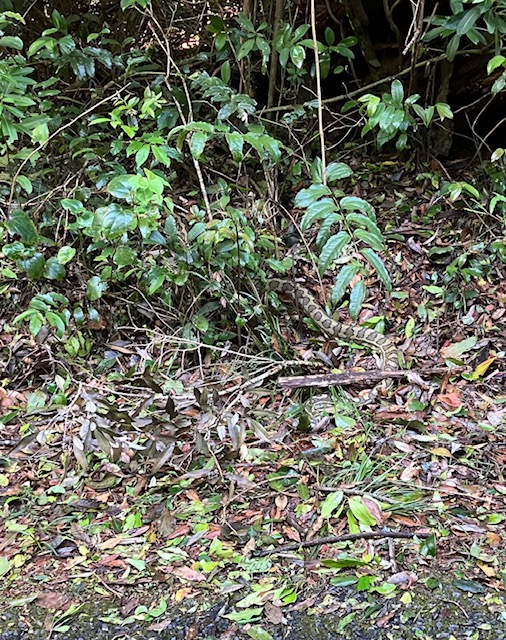
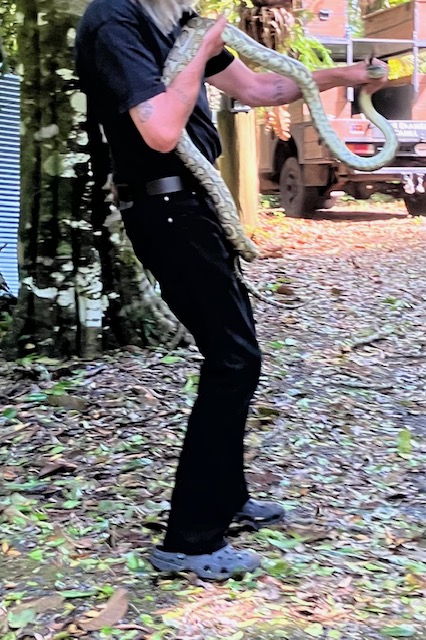
In the photo below, notice how the snake is just dangling there, not very active. He needed to be warmed up, and what better way to get his blood flowing again than with a nice cuddle. This is what the friend is doing, trying to warm up the cool guy. He walked with the snake to a sunny patch. With about ten minutes of cuddling and two minutes of sunshine, the snake was feeling better and became more lively.
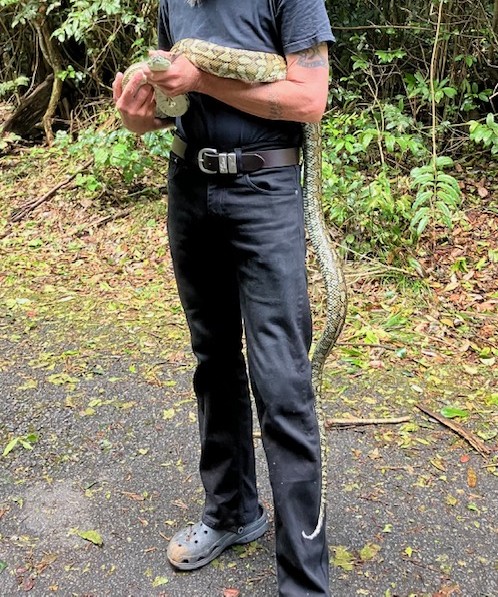
He was squirming all over the place, and although the friend was in no danger of being swallowed, he didn’t want to get nipped either. See him holding the snake’s head away, just in case.
This carpet python in Australia is very well camouflaged. His head is just to the right of the farthest fern on the left. From there, if you follow his curves along to the end of his long body, you will notice that he gets fatter and fatter. I shudder to think what little animal has been swallowed whole.

Carpet Python, photo by Leslie
Imagine walking down the steps to the back yard to put something into the compost and then, on your return, noticing that you must have walked right over a python of over six feet in length.
Luckily, these pythons are not venomous. They eat small animals like mice and rats, birds, and lizards. They can open their jaws wider than we might think, judging by the size of the head, but after an initial bite, they wrap their body around the animal to constrict its blood flow, and once the animal is unconscious, it is usually swallowed whole.
Just imagine what a thrill it would be to have one of these king parrots land on your back fence to ask for a snack. I would probably break a leg running for my camera. This photo was taken by my friend Leslie who lives in Australia. She assures me that she hasn’t broken a leg.
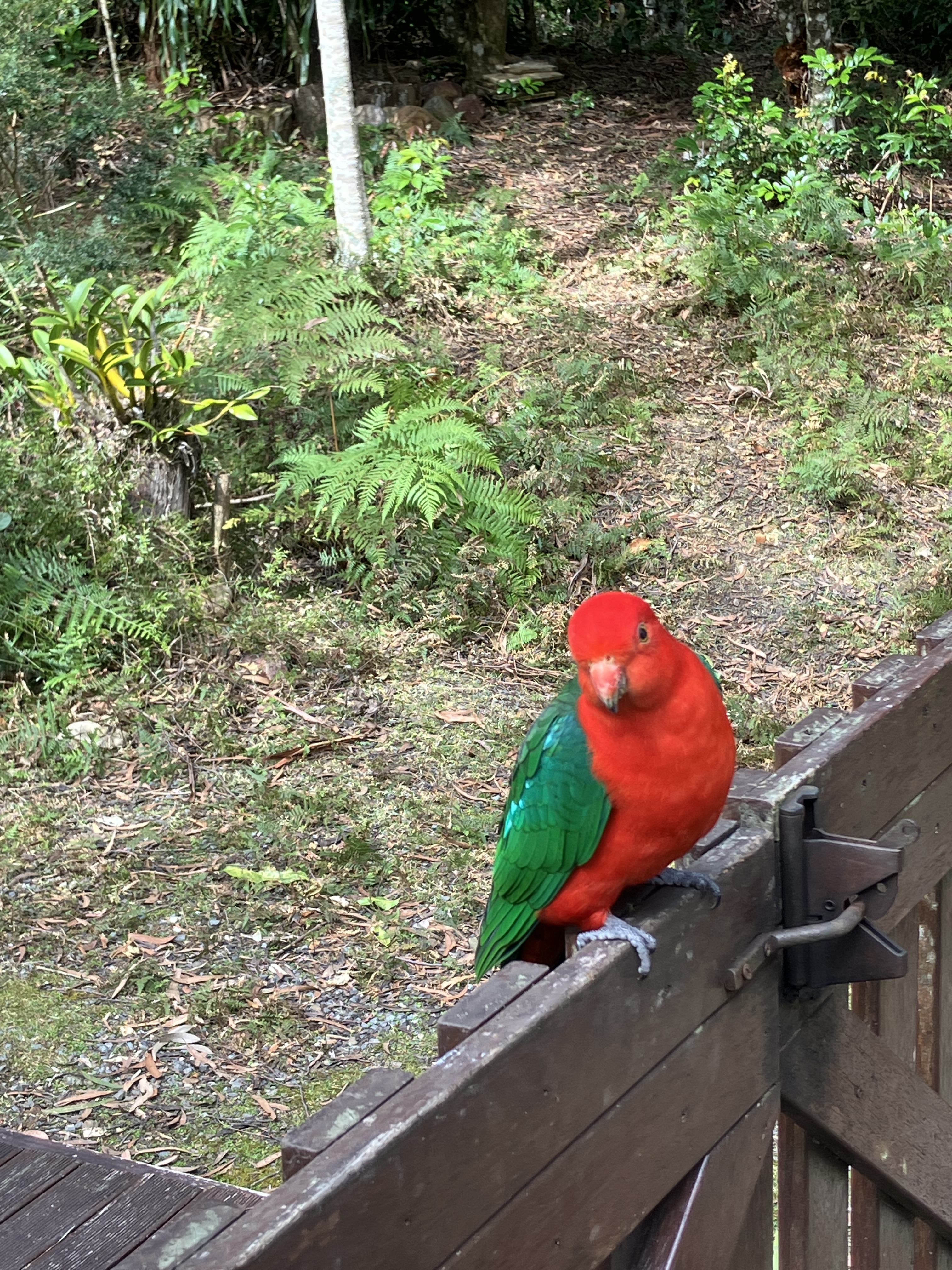
Maybe he’s getting ready for Christmas, wearing his best bright red and green finery.
He’s already looking for his presents in the form of a handout of seeds and any other fruit goodies that may come his way.
Earlier this spring, I was bragging about how many blossoms were on our transparent apple tree.
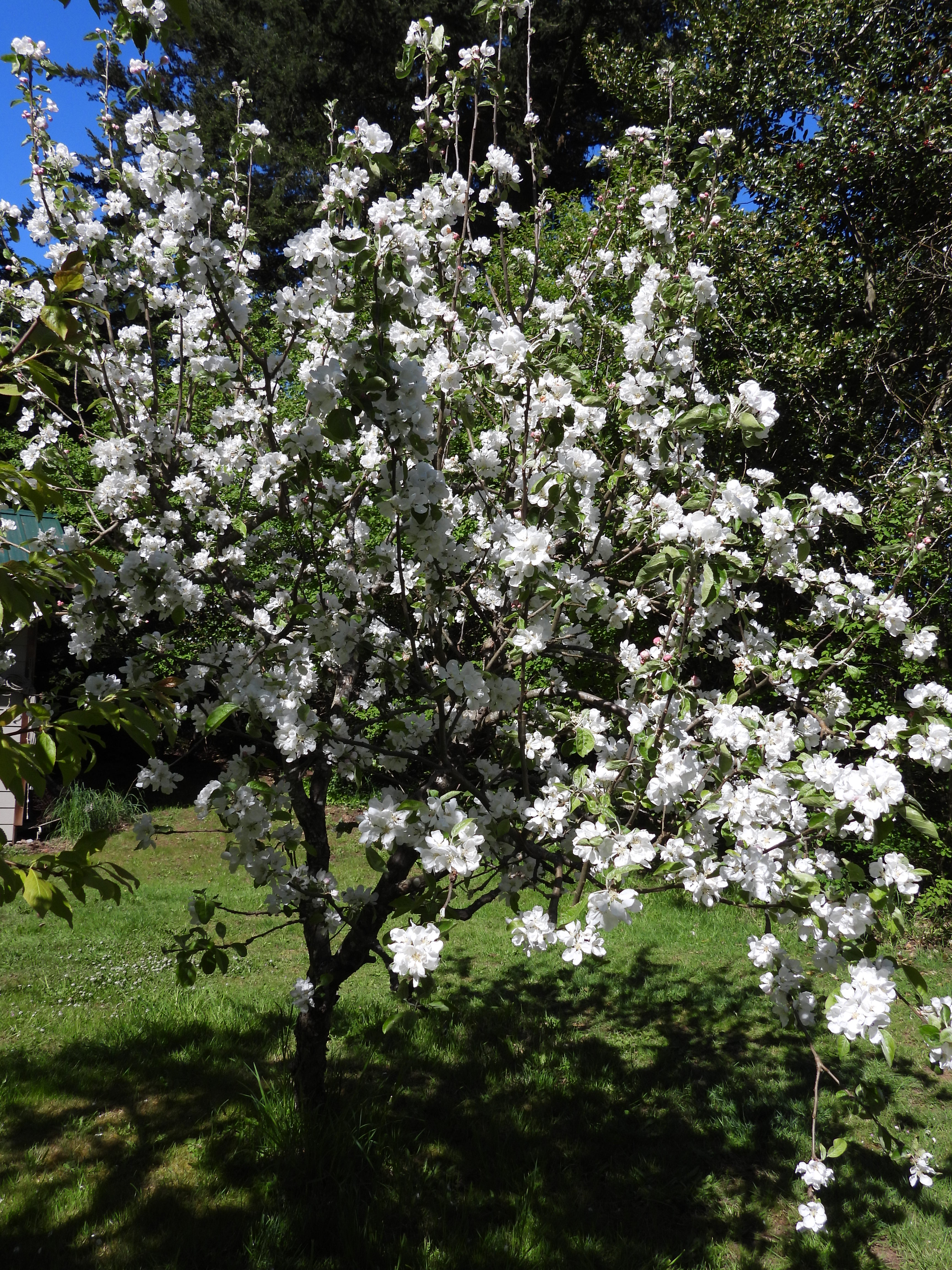
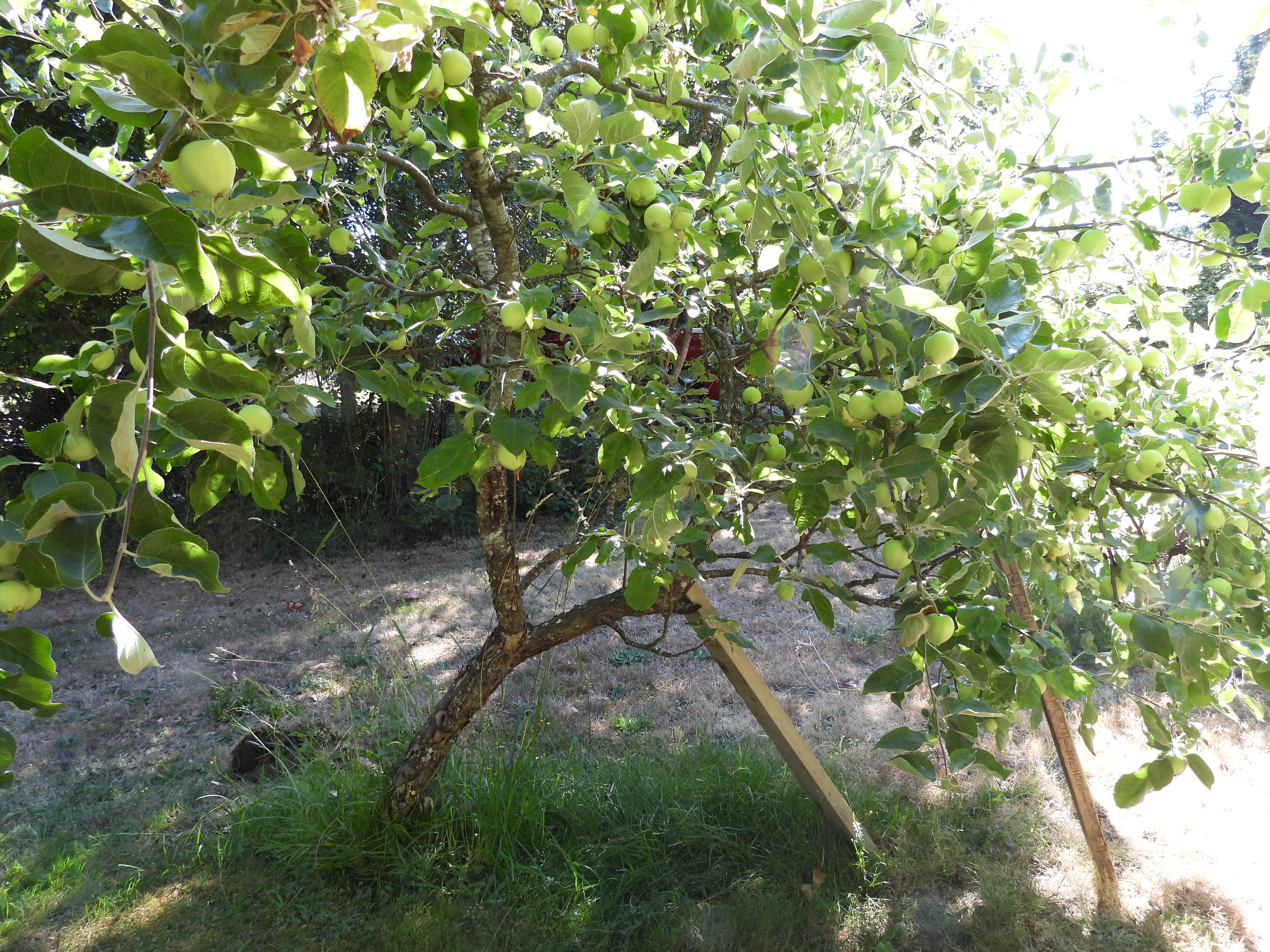
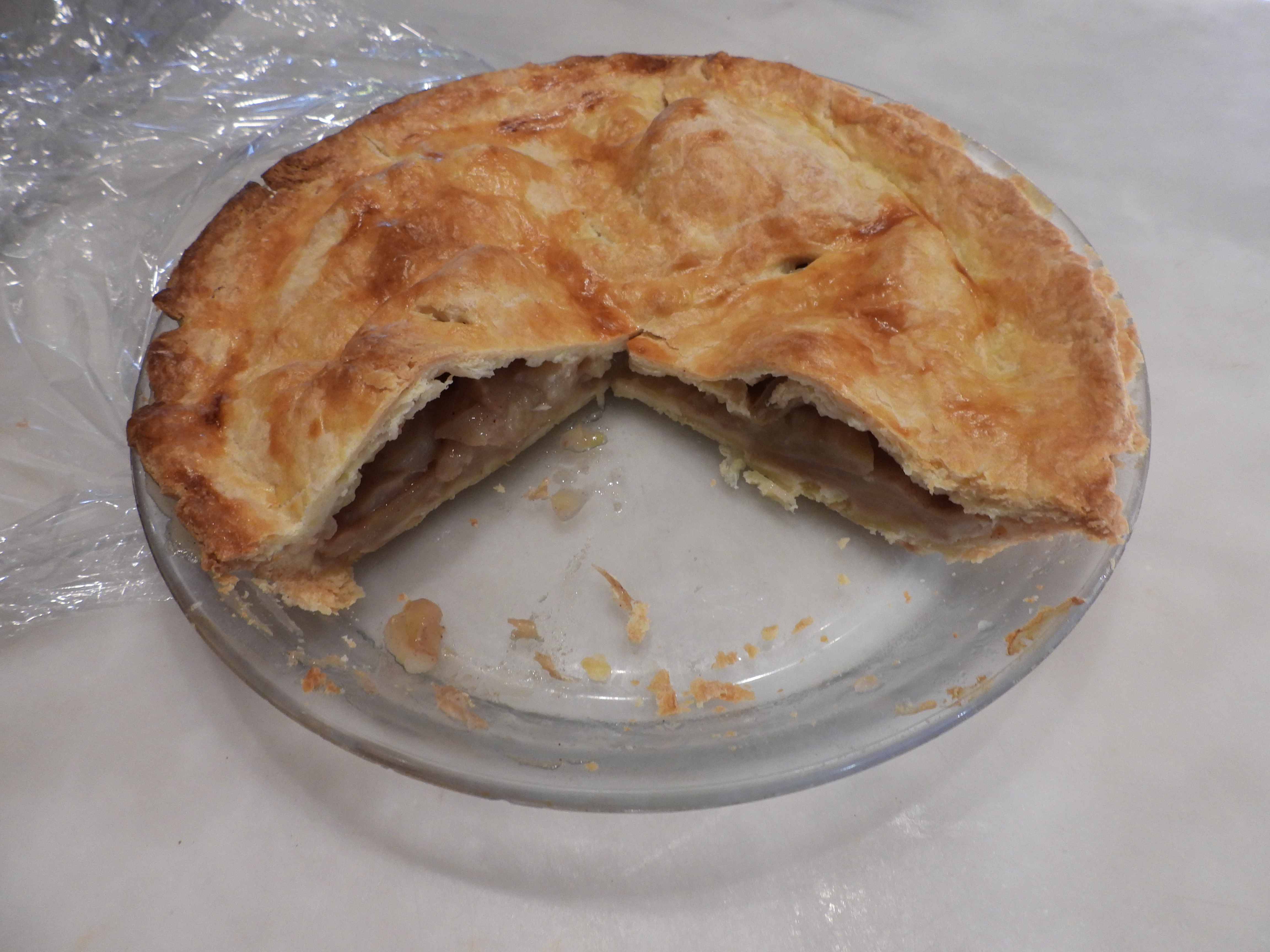
Later, many of these blossoms turned into apples. If you’re not familiar with transparent apples, you might think it would be great to just take a big chomp of one of these apples and enjoy the juicy freshness. You would be disappointed. It would be juicy and fresh, but it would be mouth-puckering sour. The very ripe ones are okay for eating, but the best are the just barely ripe ones that are crying out to be turned into a pie.
Notice that the apples weigh a lot more than those pretty white fluffy flowers. We had to prop up the branches so they wouldn’t break under the weight of the apples and the tree is already leaning from the load.
I picked a bunch of the apples to lighten the load. In the house, I peeled and cut them and put them into a bowl with a mixture of brown sugar, cinnamon and a couple of tablespoons of flour.
Then the food processor made the job of making a pie crust easy, and as they say the rest is history. Well, the pie was, anyway. I was lucky to get this photo before it all disappeared. Funny how apple pie just seems to evaporate whenever there’s a cup of tea or coffee around.
 wordsfromanneli