
Varied Thrush

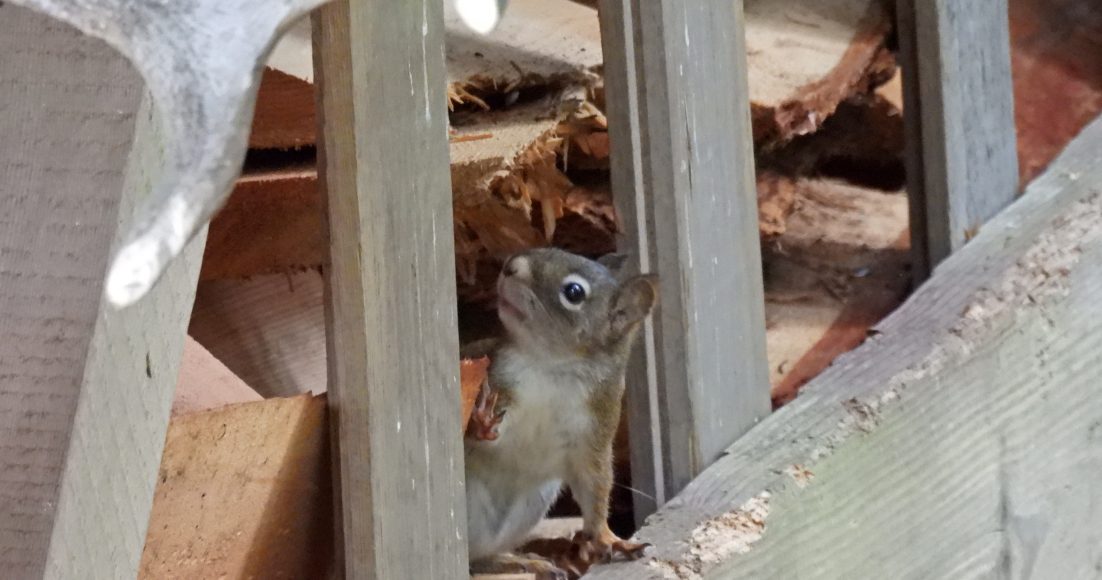
Varied Thrush
Such a simple and obvious name! Why couldn’t I have a more exotic name … maybe like “red slasher” or “the marsh king”?
Oh well. I show them how smart I am whenever a trout fisherman comes to my lake. I hide in the cat tails and tell them what gear to use. For example, I think it would be a great idea to use a purple leader at the end of the flyline to blend in better with the water. So I call to them, “PurpleLEEEEEEADer. PurpleLEEEEEEADer.”
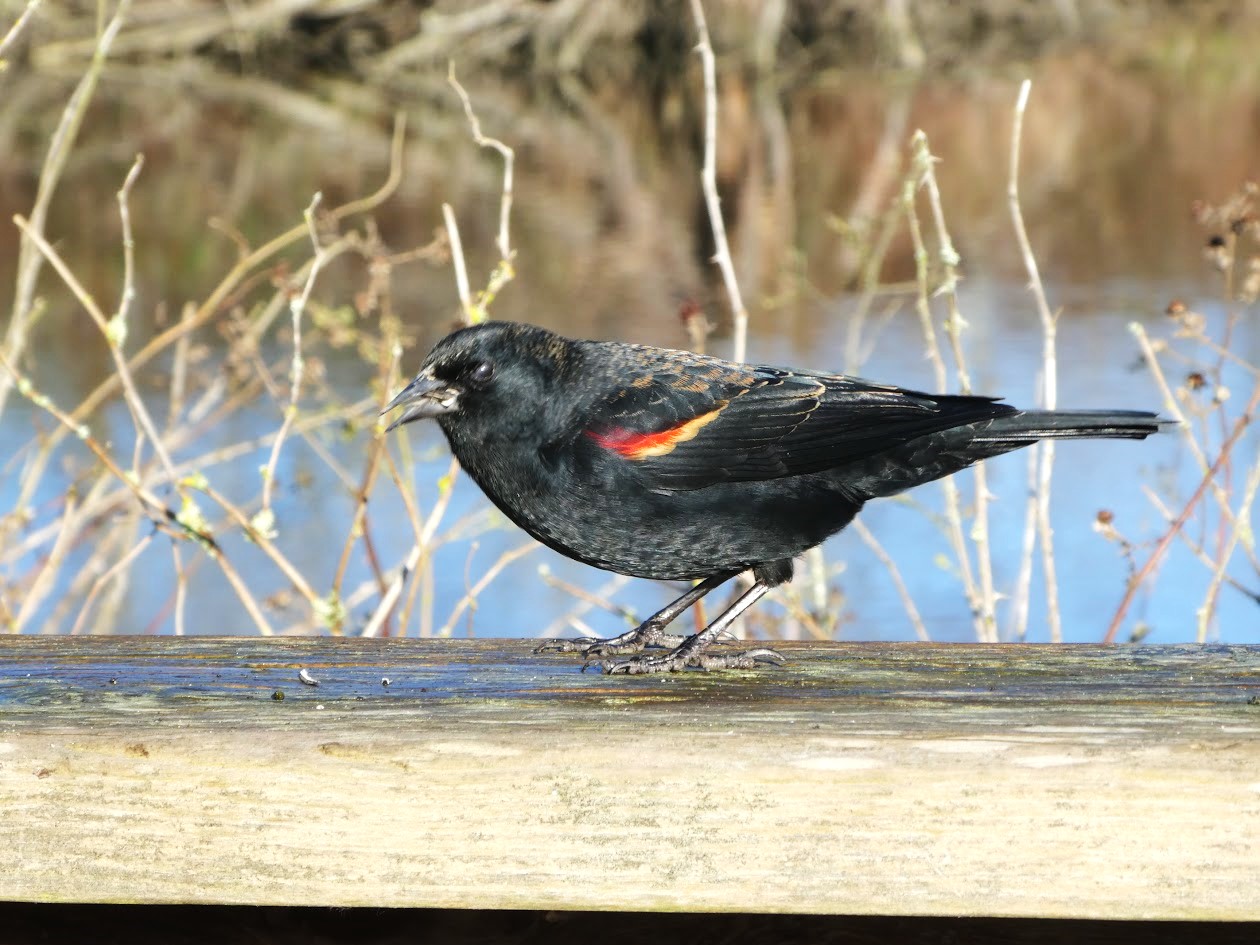
Nobody seems to listen though, so I just carry on with my own business of picking at the grass seeds. Mostly, I like plants, especially their seeds, but I do like a bit of meat with my granola. I’m not a picky eater. I like dragonflies, damselflies, butterflies, moths, spiders, snails, worms, frogs, eggs, and mollusks. Told you I wasn’t fussy.
So if you ever think I would be tasty in that proverbial pie, with three and twenty of my other blackbird friends, just remember what I’ve been eating and I’m sure you’ll have another think about it.
BTW, it was Sonia who took my picture at the Reifel Migratory Bird Sanctuary.
This print is on Anneli’s wall because she loves me so much. Too bad she doesn’t know how to take a photos without all those reflections. But it’s the thought that counts.

Northern shovelers (Spatula clypeata), named for their shovel-shaped bills, like to find food in the shallow waters and soft, muddy bottoms of marshes. Swishing their wide shovel-like bills back and forth, these ducks slurp up seeds, crustaceans, and aquatic invertebrates, and then sieve their food through the comb-like edges of their bill. If you can enlarge the second photo, you can see some of the 110 fine projections called lamellae that help to sift out the food as if straining it through a colander.
In this first photo, you can see flashy Mr. Shoveler with his drab Missus. She is smart not to be so flashy as she is the one who has to keep their eggs warm at nesting time. It’s best to stay camouflaged while guarding a nest.
I read an interesting anecdote on the site by the Cornell Lab about Mrs. Shoveler’s outlandish behaviour. When she is forced off her nest by a predator, she does her best to make the eggs in her nest unpalatable for the predator by pooping on them before she flees. I was skeptical about this and want to add that possibly, the researcher who came to this conclusion failed to recognize that possibly the mother bird was so scared by the predator that nature simply took its course as she fled the nest. Something to think about … or perhaps rather not.
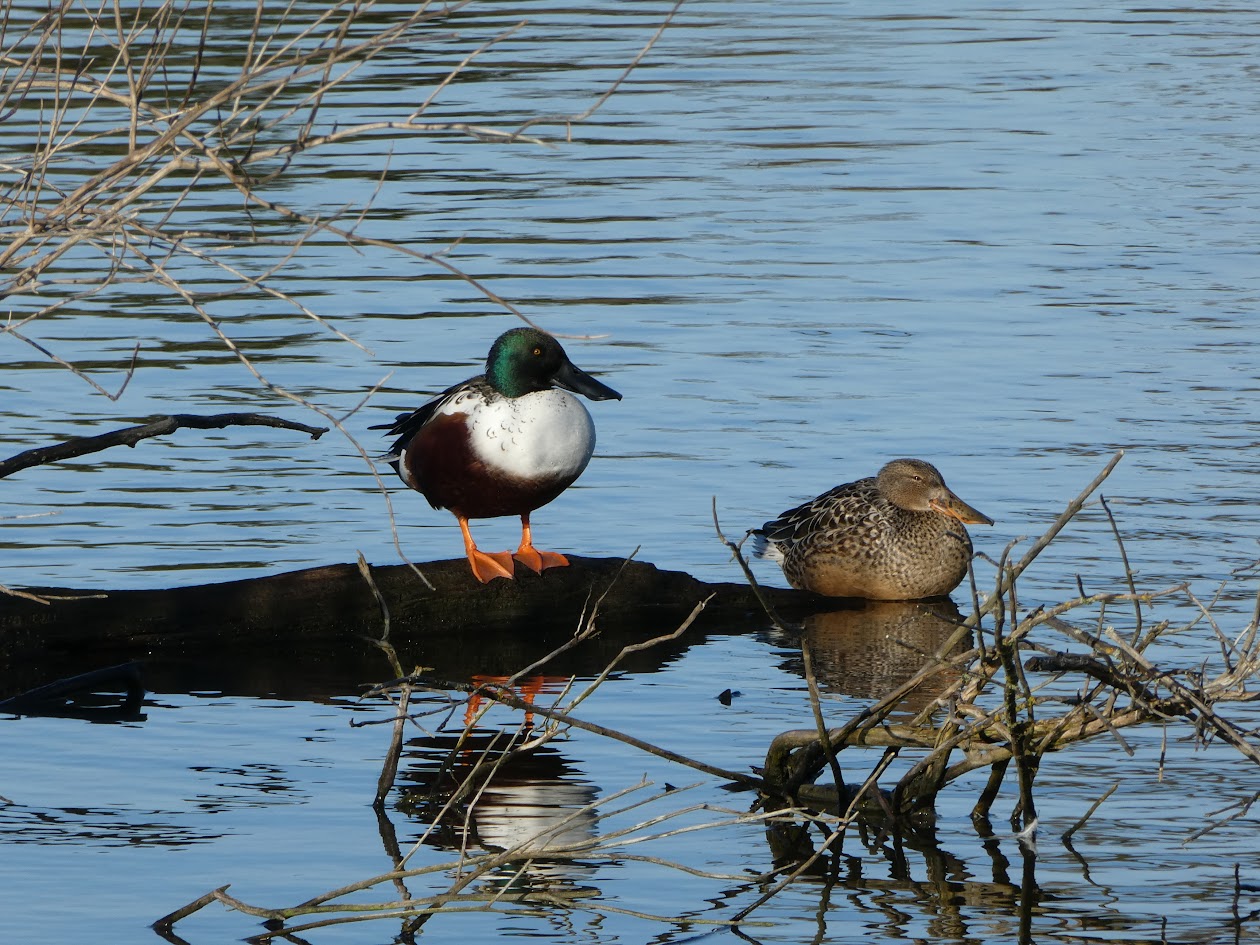
Can’t you just see Mr. Shoveler chuckling about that in the photo below?
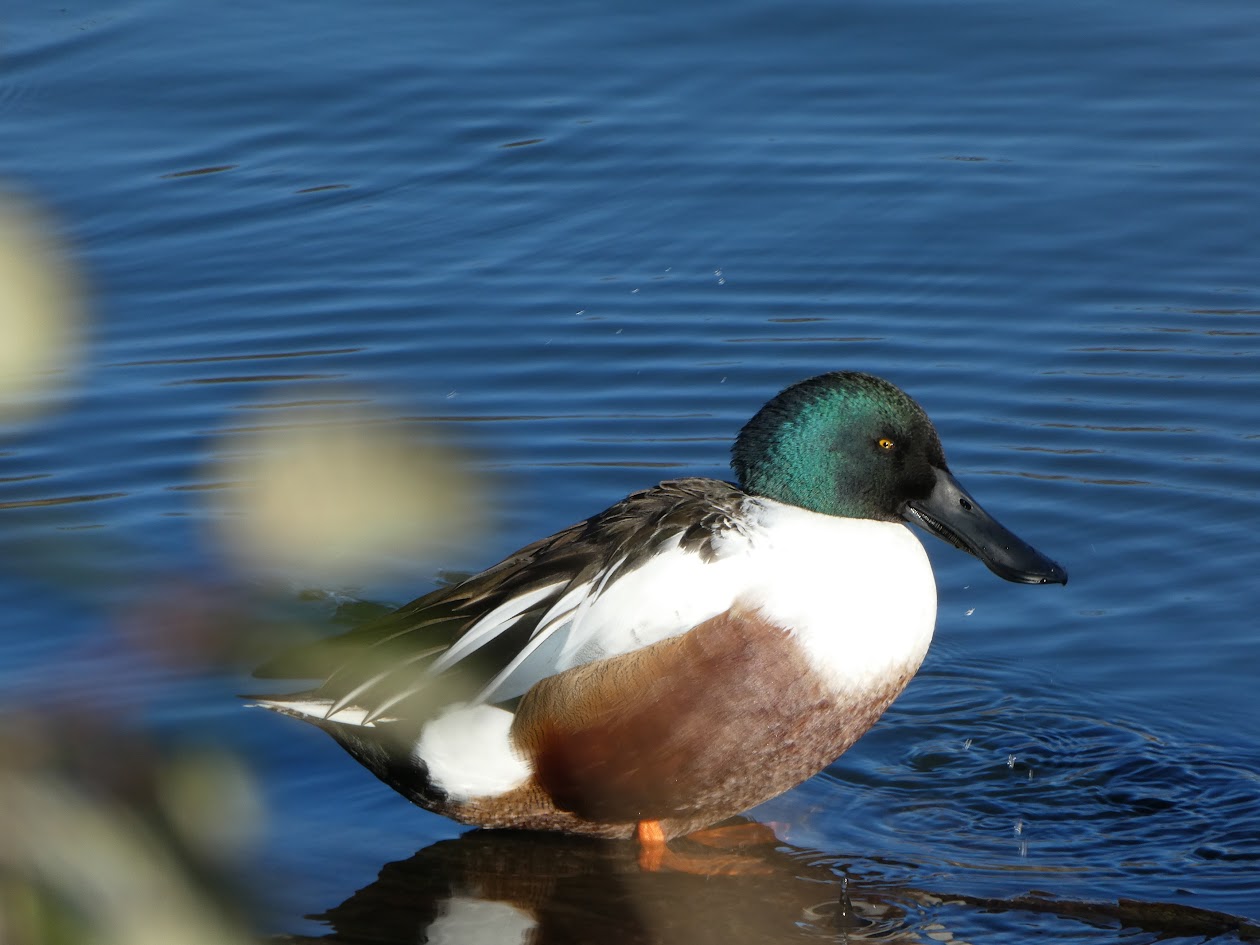
“Excuse me while I scratch my itchy chin.”
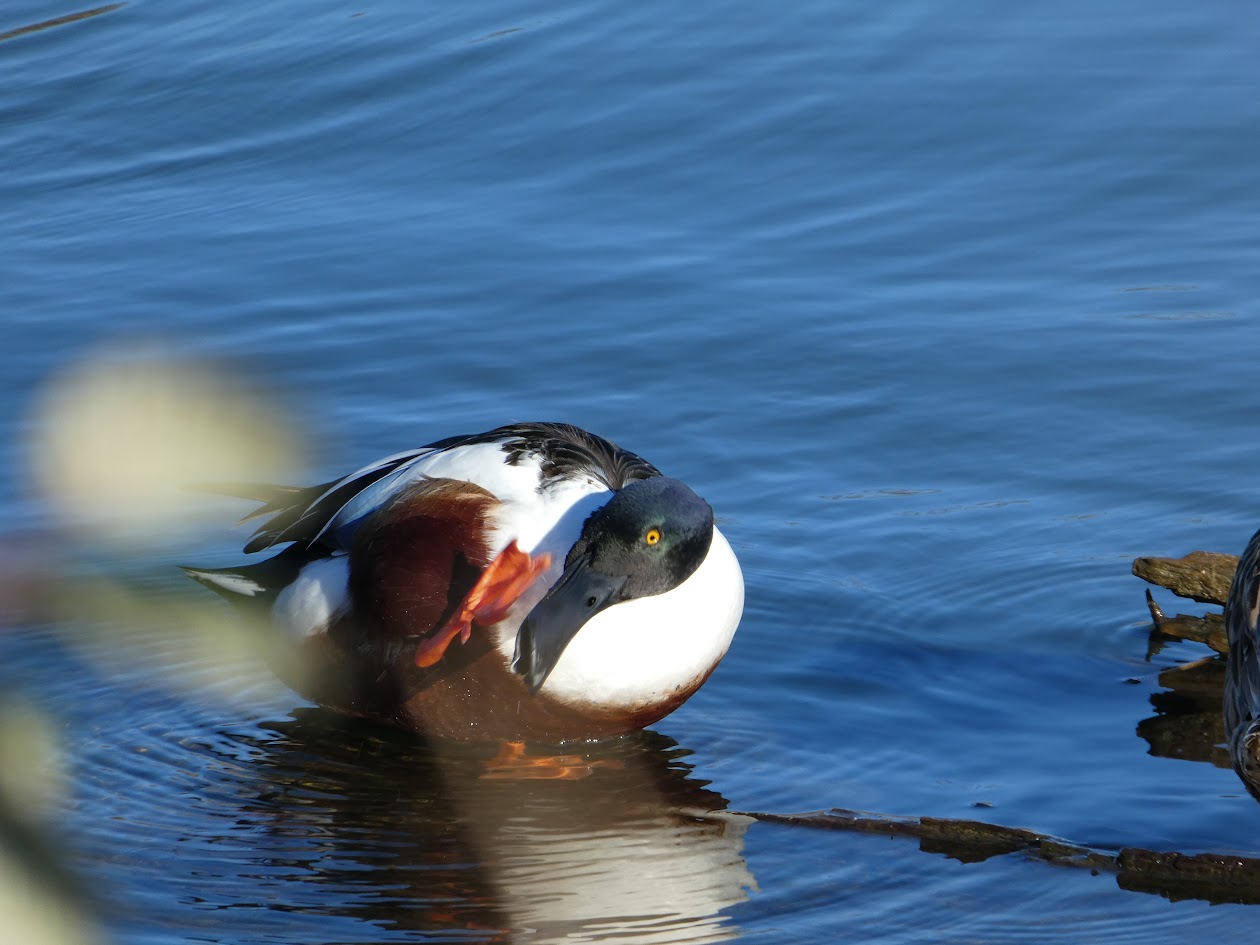
So that’s the “scoop” from the shovelers.
Again, photo credits to my friend Sonia.
“If you will look in the direction I am pointing,” says Dr. Crane, “you will see that there is a birdfeeder hanging in a shrub. That is meant for the tiny hummingbirds; not for us big galoots. So please try to leave it alone.”
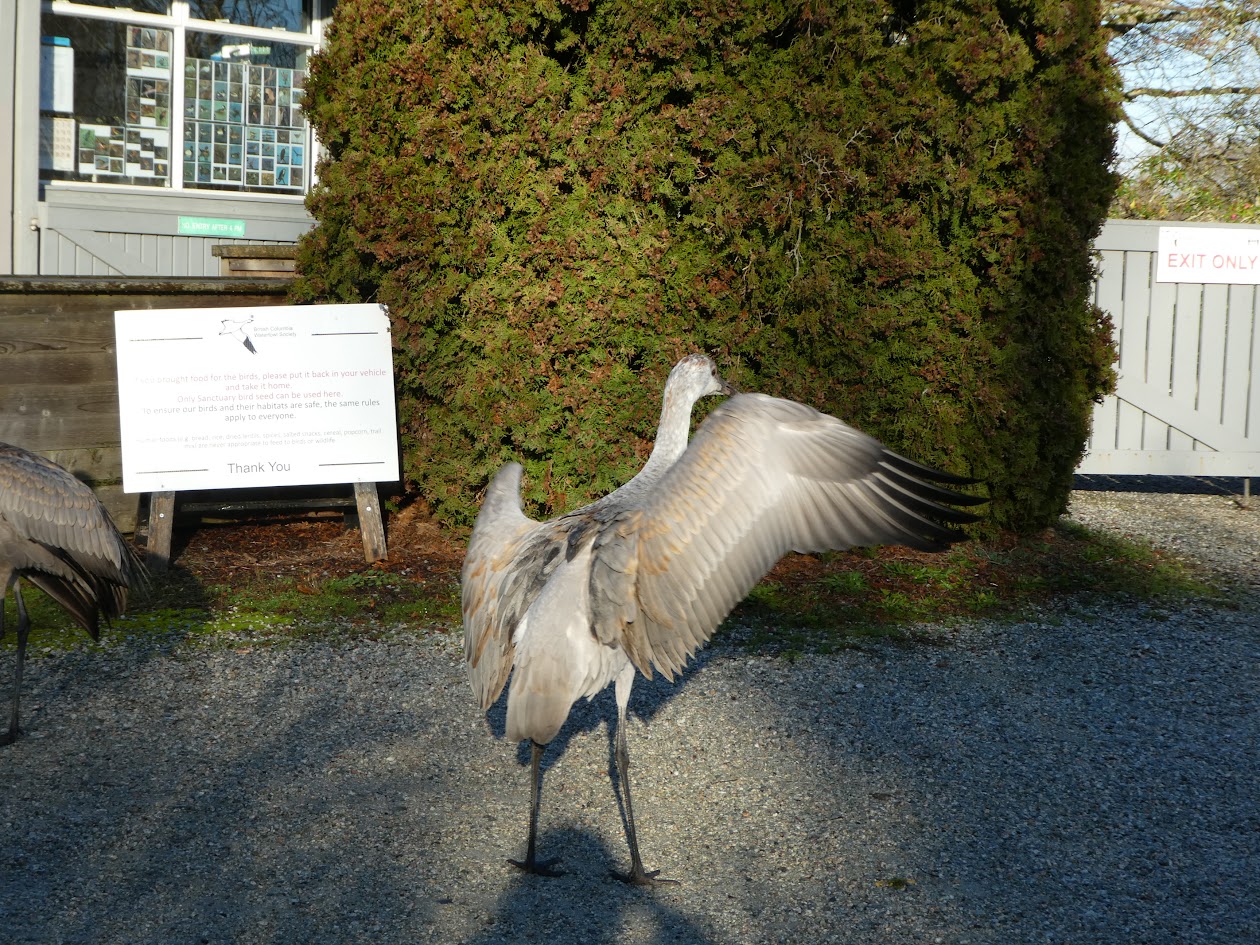
“I see that. It’s just past my head to the right.”
“It’s not for us,” says Sandy. “I’m going to keep preening my feathers so I won’t be tempted.”
“Maybe I’ll check it out later,” mutters Junior, “when Ma and Pa aren’t looking.”
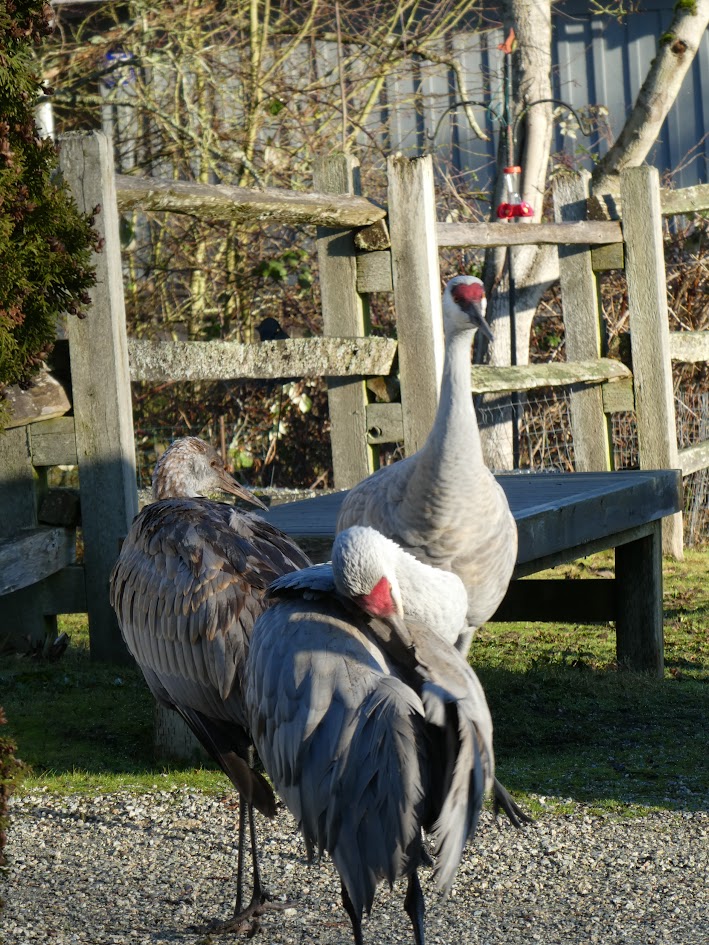
“What a silly family,” the lovebirds say. “Don’t they know it’s just full of sugar water. We don’t eat that!”
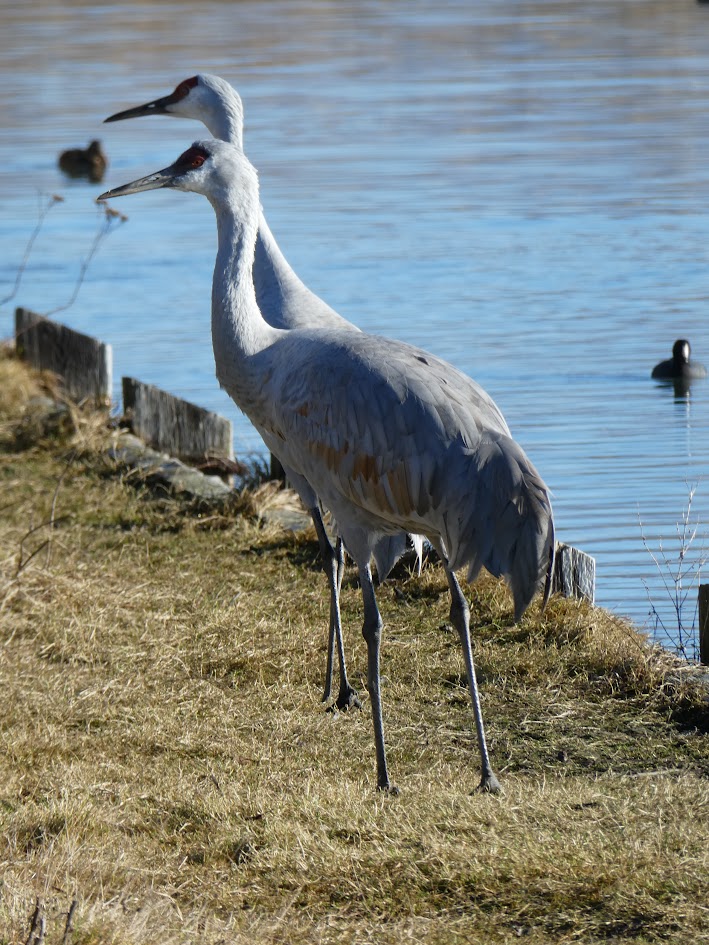
The above three photos were taken by Sonia at the Reifel Migratory Bird Sanctuary.
The sandhill cranes below, could very well be cousins of the ones above.
I saw these flying over Montana in the fall a few years ago, on their way south to warmer fields for feeding on grains and plant matter, and possibly snatching up the odd frog or other small animals.
They have to beware of ravens, crows, coyotes, and owls, but sometimes these would-be predators run the risk of being kicked by the cranes’ long legs or speared by their tough, sharp beaks. Even a coyote is not safe from having its skull speared if he is unlucky.
One flock is easier to see, but beyond that one are many more flocks looking like specks of dust in the distance.
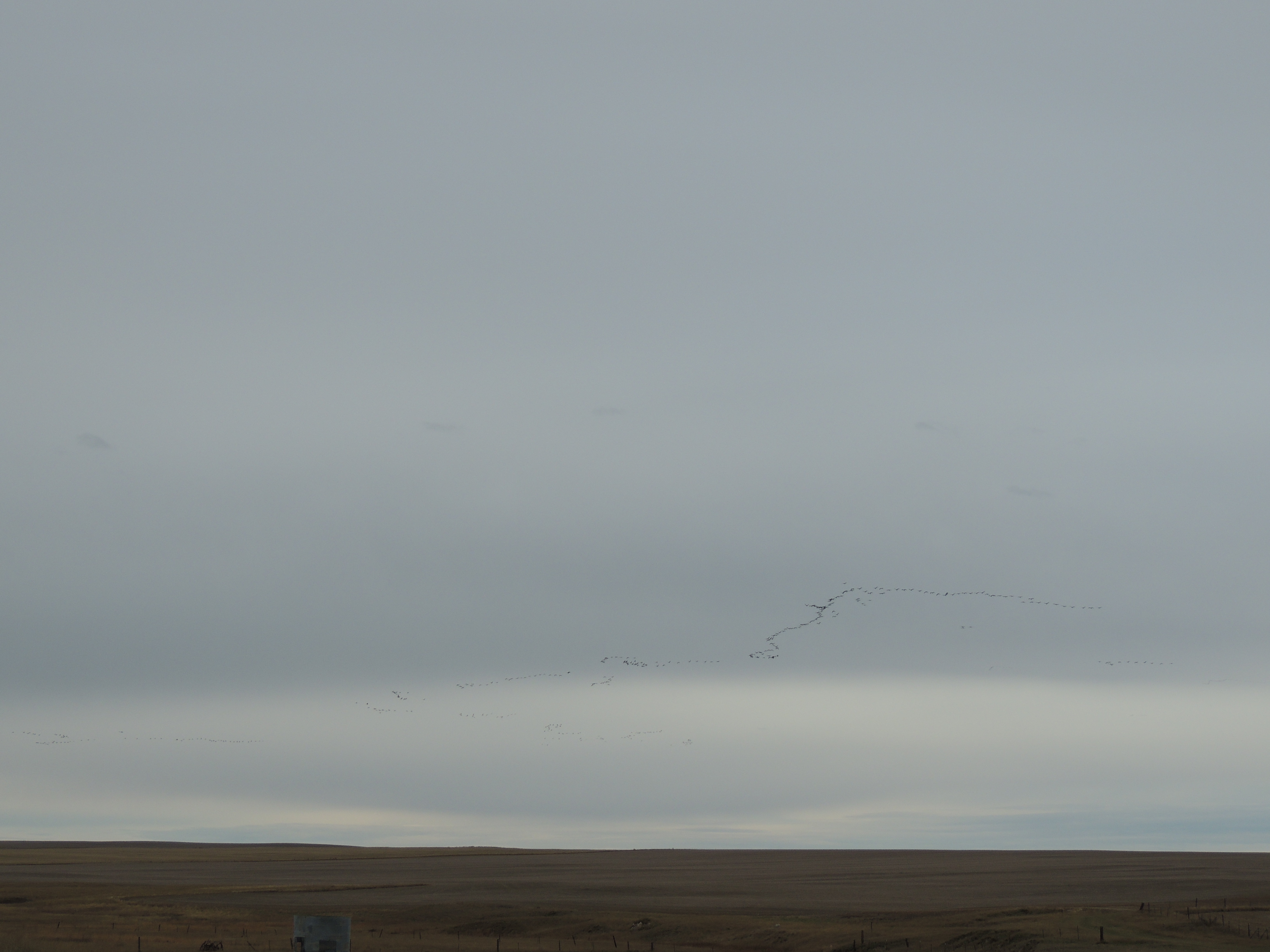

Please turn the volume way up loud to hear the sound of sandhill cranes migrating. Unfortunately the first part of the video is not in focus, until I “got it together.” These sandhills were migrating over Montana when I noticed flock after flock after flock flying over. This video is mainly for the sound of the sandhills flying over.
At the George C. Reifel Bird Sanctuary in southwestern BC, you can see may different species of waterfowl and other birds. These photos were taken by a friend, Sonia, who kindly allowed me to use them after her visit to this sanctuary. Many kinds of ducks visit this waterfowl refuge. The pintail (Anas acuta) is one of these.
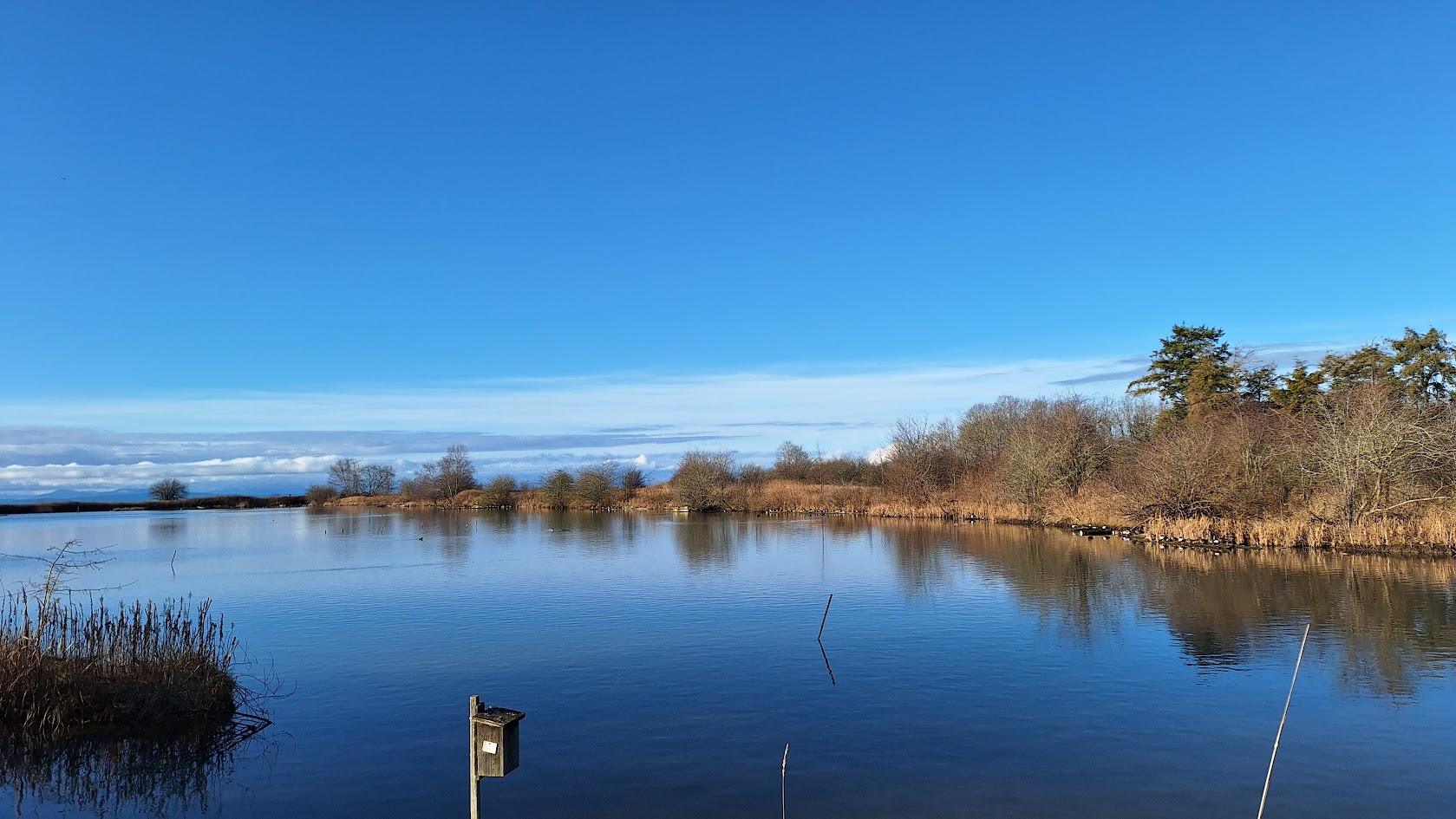
I grew up thinking that all ducks were yellow when they were little and brown or white when they grew up. It was an eye-opener to me when I learned, a long time ago, that there were so many kinds of ducks, each with special features that made each type unique and helped to identify them.
The pintail is obviously named for its long pointy tail, as you can see in the last photo, but another special feature of this duck is its long neck. Notice the long streak of white that goes up his neck to the side of his head. This one has his neck pulled in somewhat, perhaps to keep warm, but if it were stretched up to take a good look around, you would see that he has a much longer neck than most other ducks do.
And have you even seen such a beautiful design of feathers as what this duck has on his back?
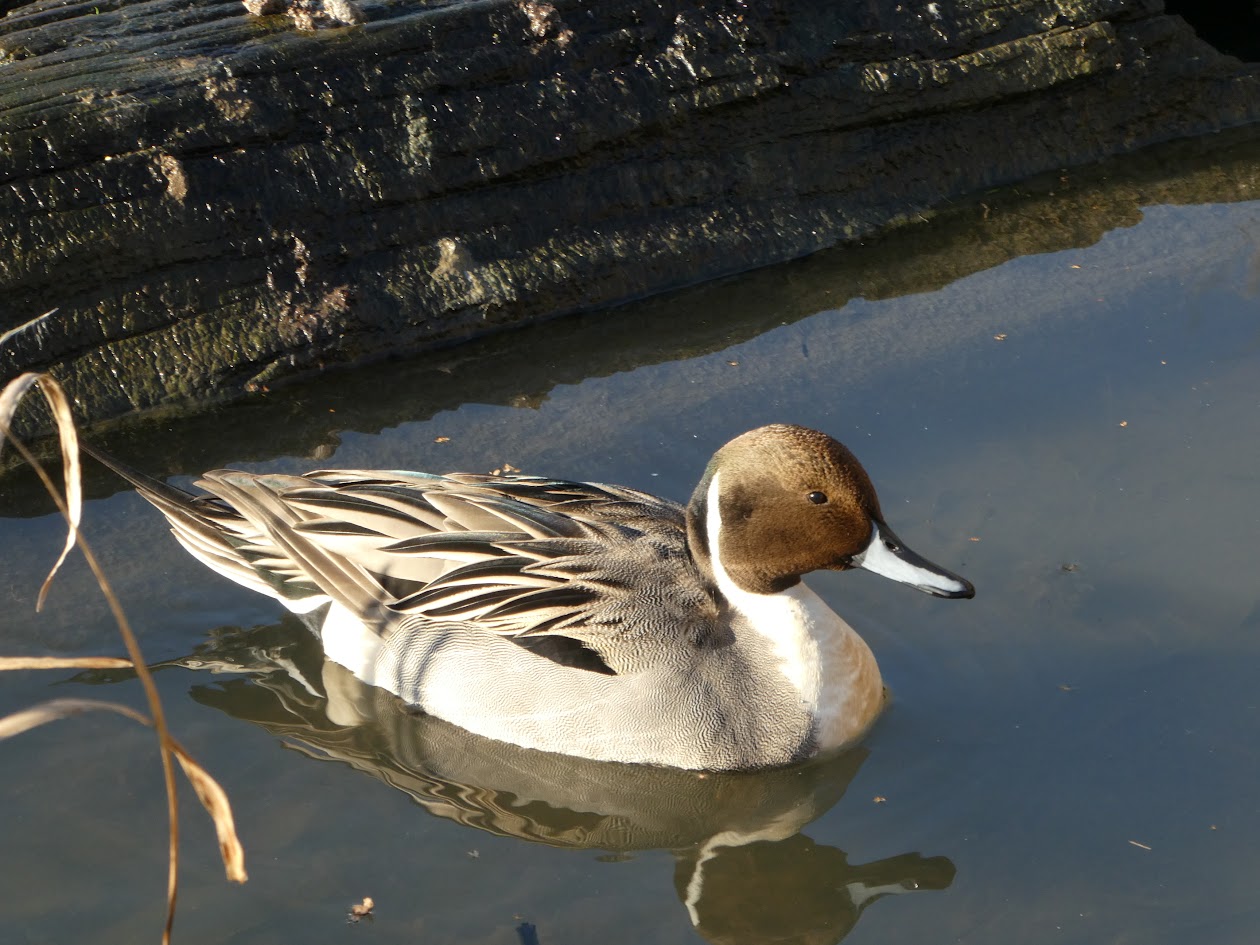
The pintail tips up in shallow water to reach for plant matter in and above the soil under the water. Its long tail helps to balance it as it forages for seeds and rhizomes. It also finds food on land, in fields where it eats roots, grains, and other seeds. In the nesting season it feeds mostly on aquatic insects, invertebrates, molluscs, and crustaceans.

These photos are of the drake pintail. The hen (female) pintail has a similar shape, without the long pointy tail feathers, and with more muted colours (keeping her safer when nesting).
When it’s hard times with cold, wet weather, and not yet warm bug season, birds will take advantage of what’s available and not be too fussy.

When I first took this guy’s picture, I thought he had hurt his wing. It looked like he had maybe torn the top of his wing where it folds against his body. But when I looked up other photos of great blue herons, I saw that this is a natural colour on their wings. I was relieved to see it and wished I could have all that time back when I worried over his non-existent “owie.”

The quince was beautiful when it was in bloom last summer.
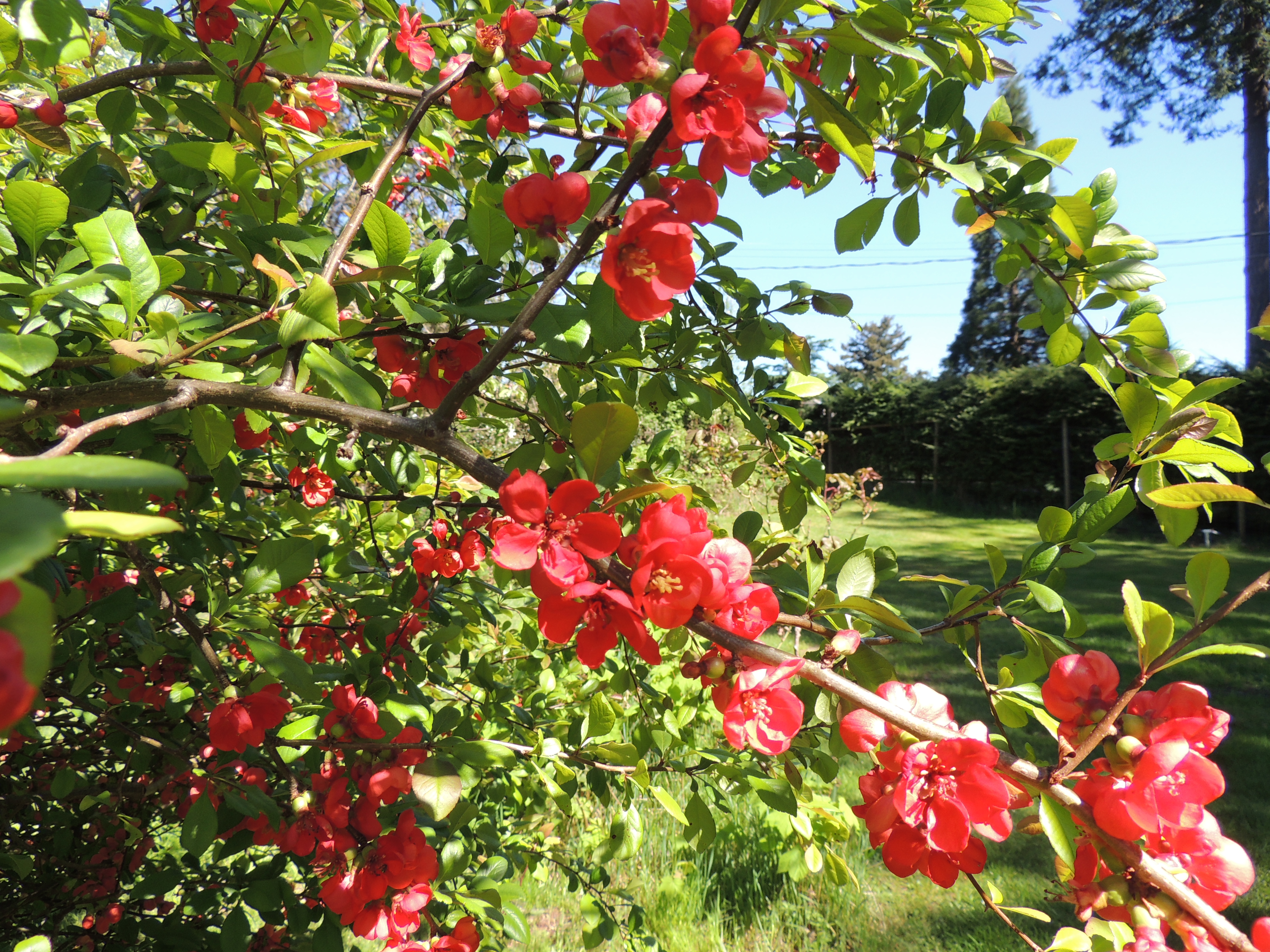
Quentin the quail used to come visit and hang around under it.
You may remember that he was the last of the many quail that used to live around here until our area got built up and turned into a dog walk for the subdivision about half a mile away. Quail and dogs on the loose just don’t mix, and the quail were the losers.
I last saw Quentin about a year ago, and I’m sure he has gone to quail heaven now.
But I loved having him around for visits now and then while he was still alive.
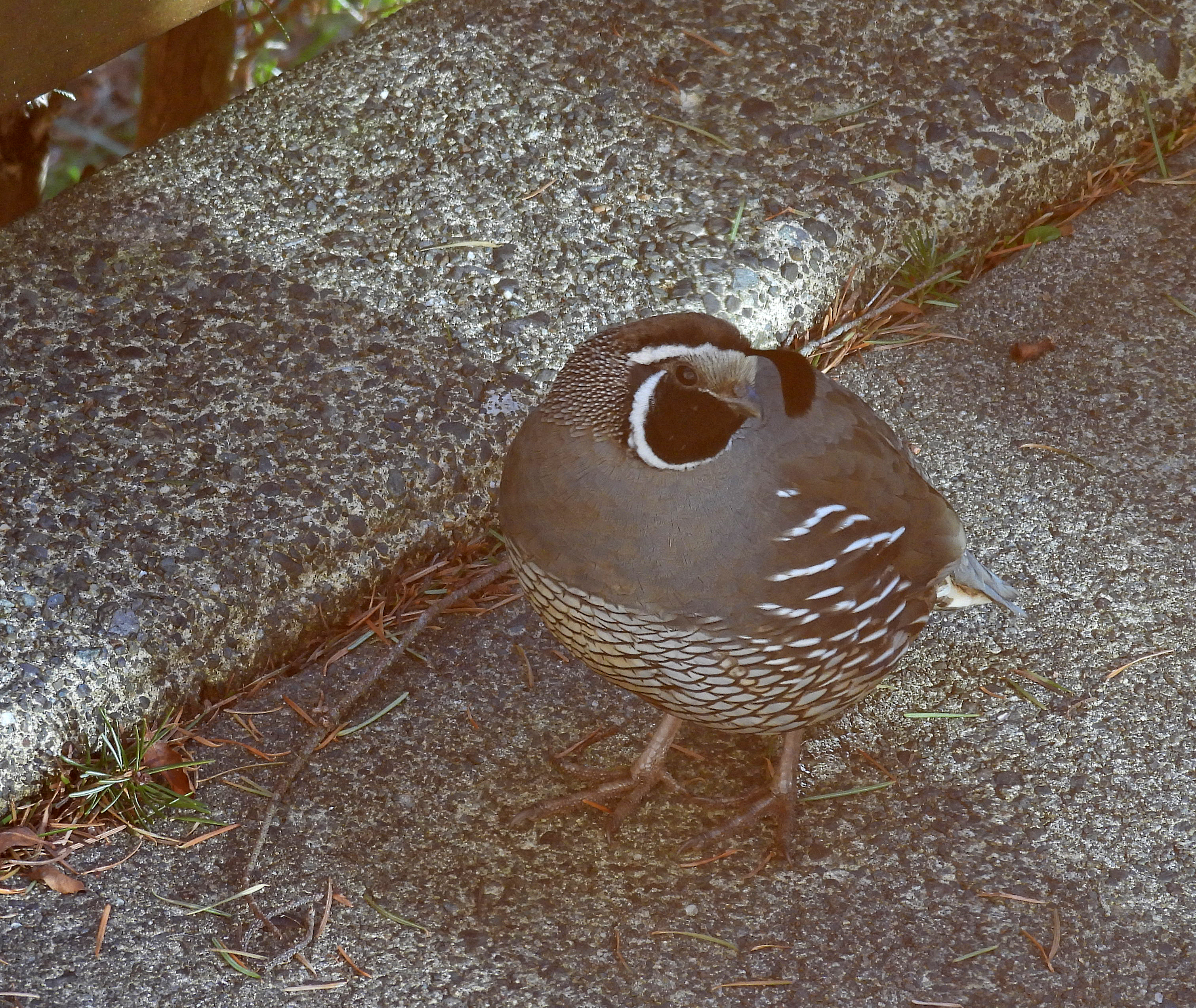
Q is for Quentin Quail in the quince.
“Ooh!” says Pam. “I see that handsome Patrick. See his red cheek slash? So manly!”
“Oh, Patrick! Do you like my little red Christmas hat?”

“Meh – it’s not bad, I guess,” says Patrick. “Wanna come down here and get some bugs out of this stump?”

“Actually, I think I see some at the end of this raised bed,” says Pam.

“Hmm. I guess that wasn’t what he wanted to hear. I’m not very good at this dating stuff.”

“Hmpf! Pam is playing hard-to-get. I’ll show her…as soon as I get that pesky bug off my shoulder…. Maybe she thinks I have dandruff.”

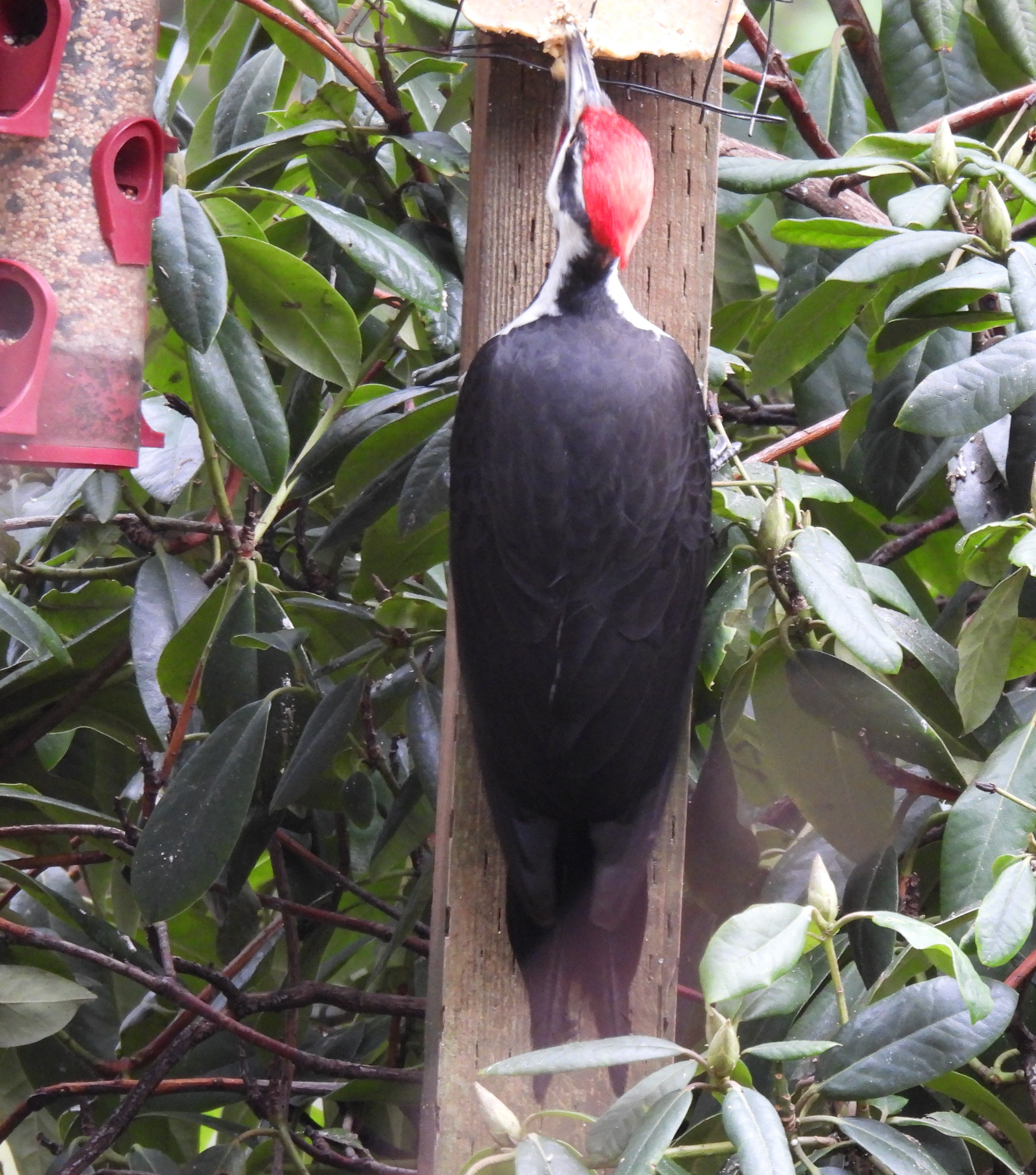
P is for Pam and Patrick the pileated woodpeckers. I’m sure they’ll find each other eventually.
“It sure is a lot of work to pick a hole in a tree and make it big enough for a nest, but I’ve made a good start,” says Nancy Nuthatch.
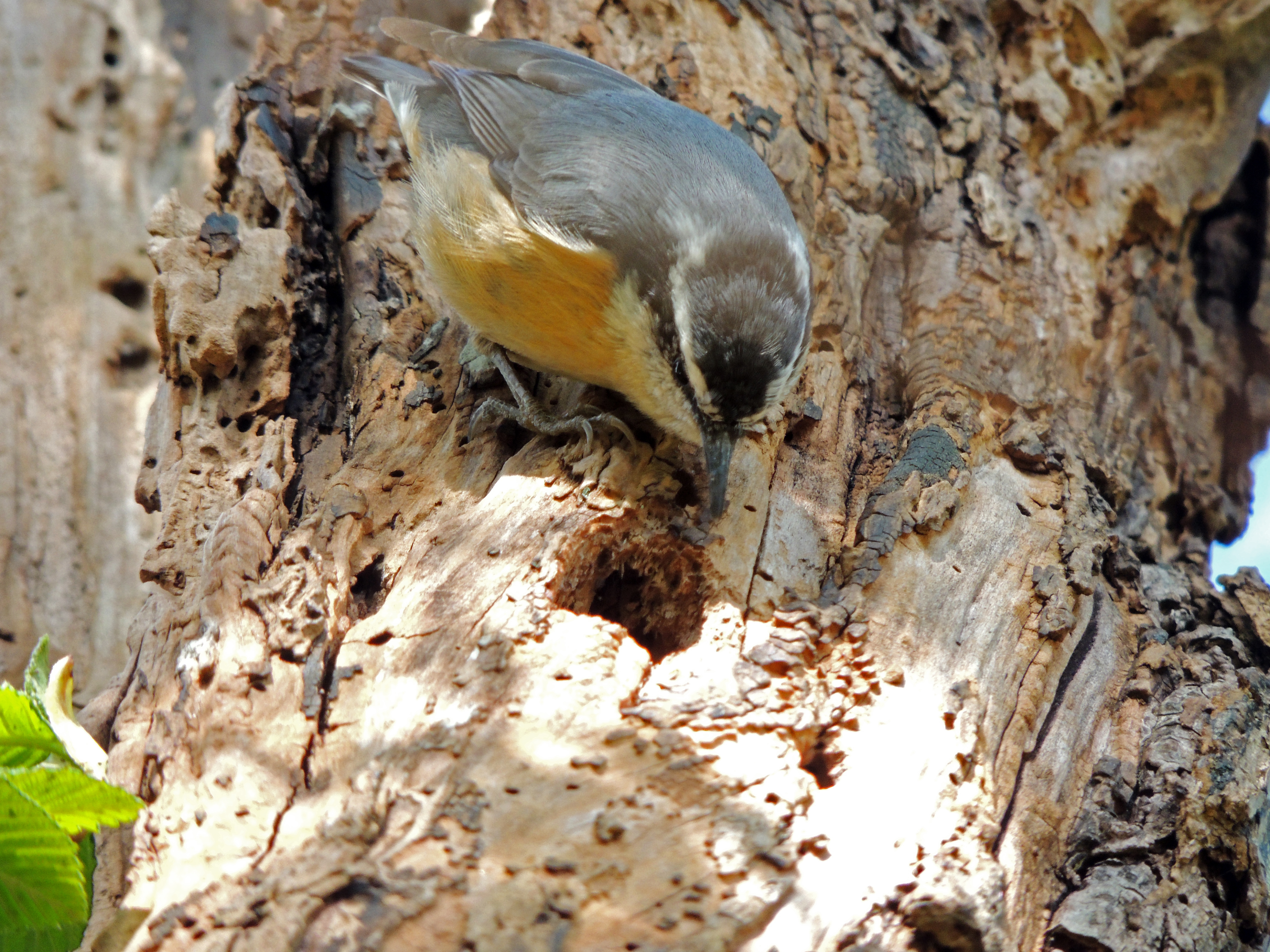
“Hmm…I wonder if I should go deeper. Can’t make the entrance too big though, or those nasty squirrels will come visiting.”

“Ah, there’s a solution. Nora Nuthatch is making a nest on the lower level. We can take turns keeping an eye out for predators and shriek to call out an alarm if the squirrels come looking for trouble.”
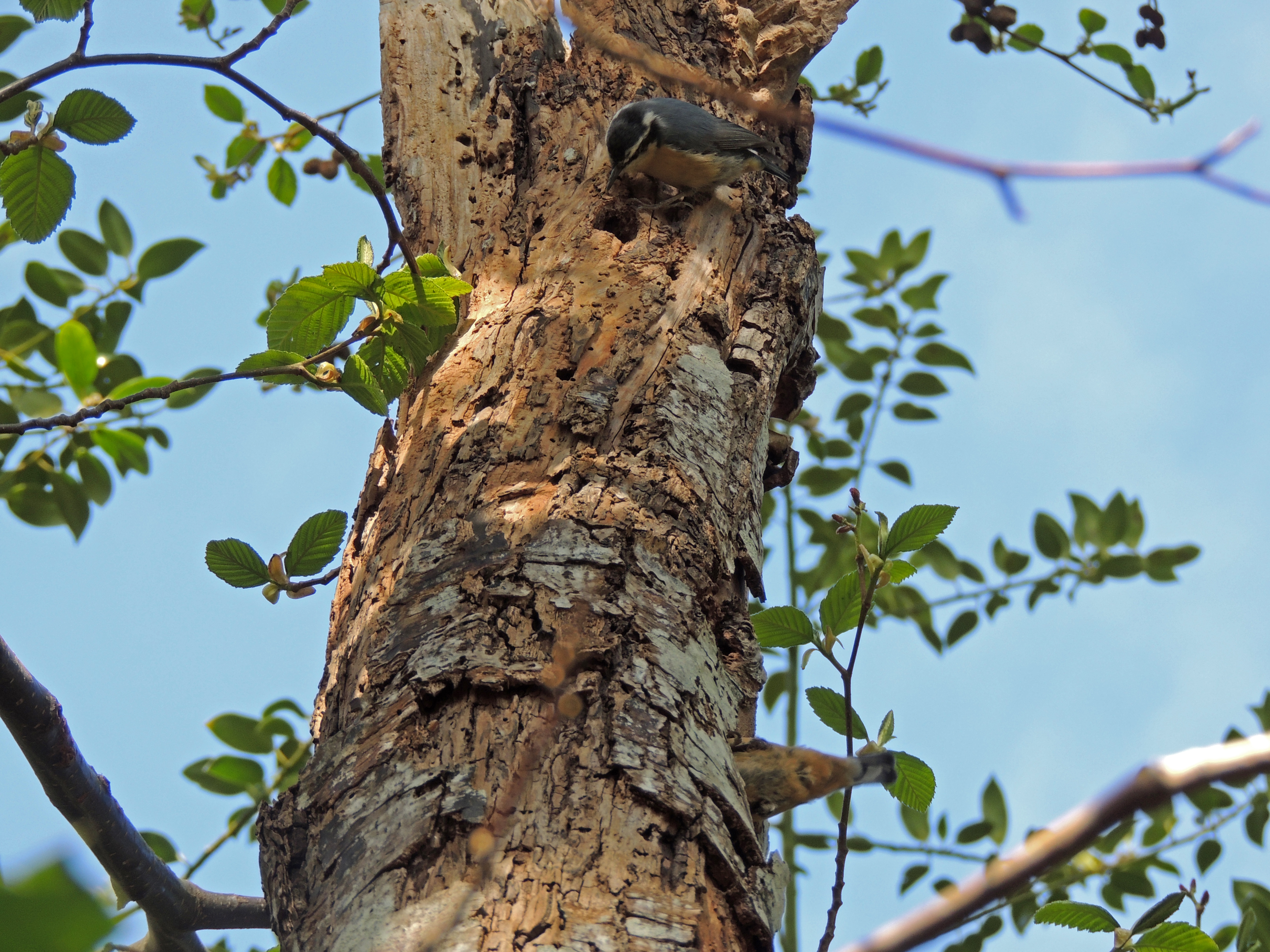
N is for nuthatch, but really we are Nancy and Nora, the Nuthatch Ninjas.
Do you see Nora working on the lower level of the tree?
 wordsfromanneli