wordsfromanneli

Thoughts, ideas, photos, and stories.


43 Comments

Robin Rescue

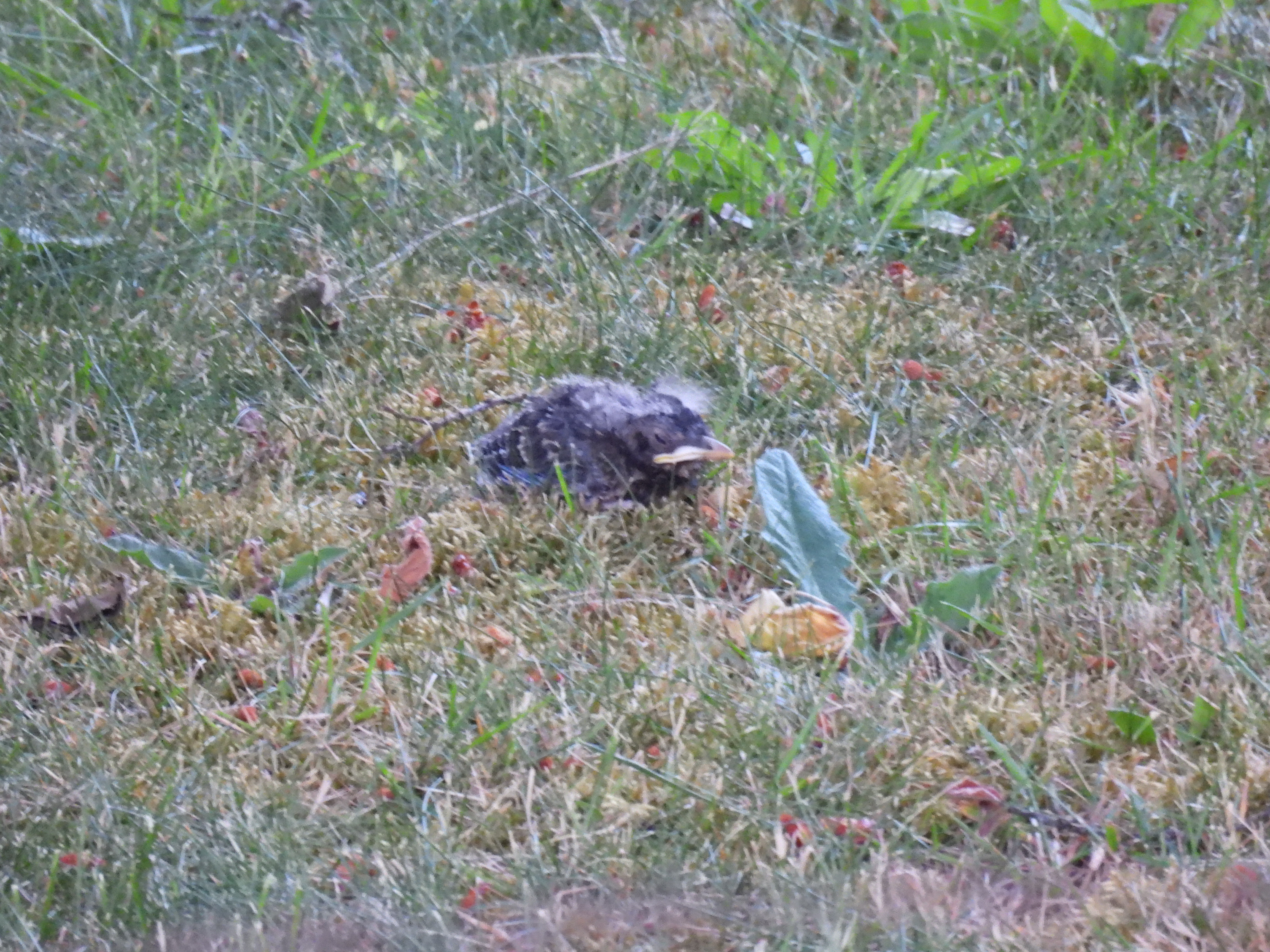
I know this is a blurry picture, but it has a story to it, so if I can beg your indulgence, I’ll tell you what happened.

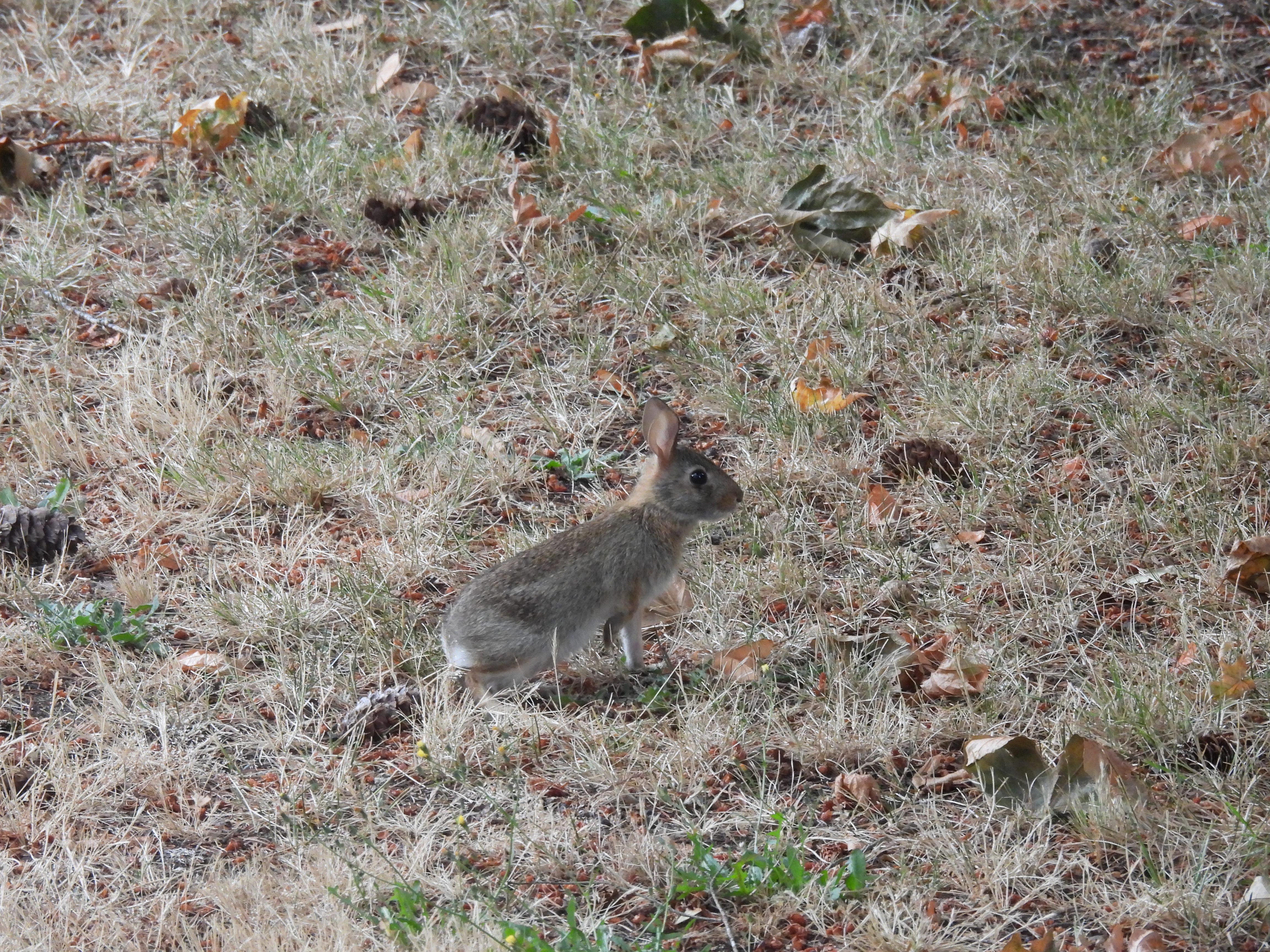
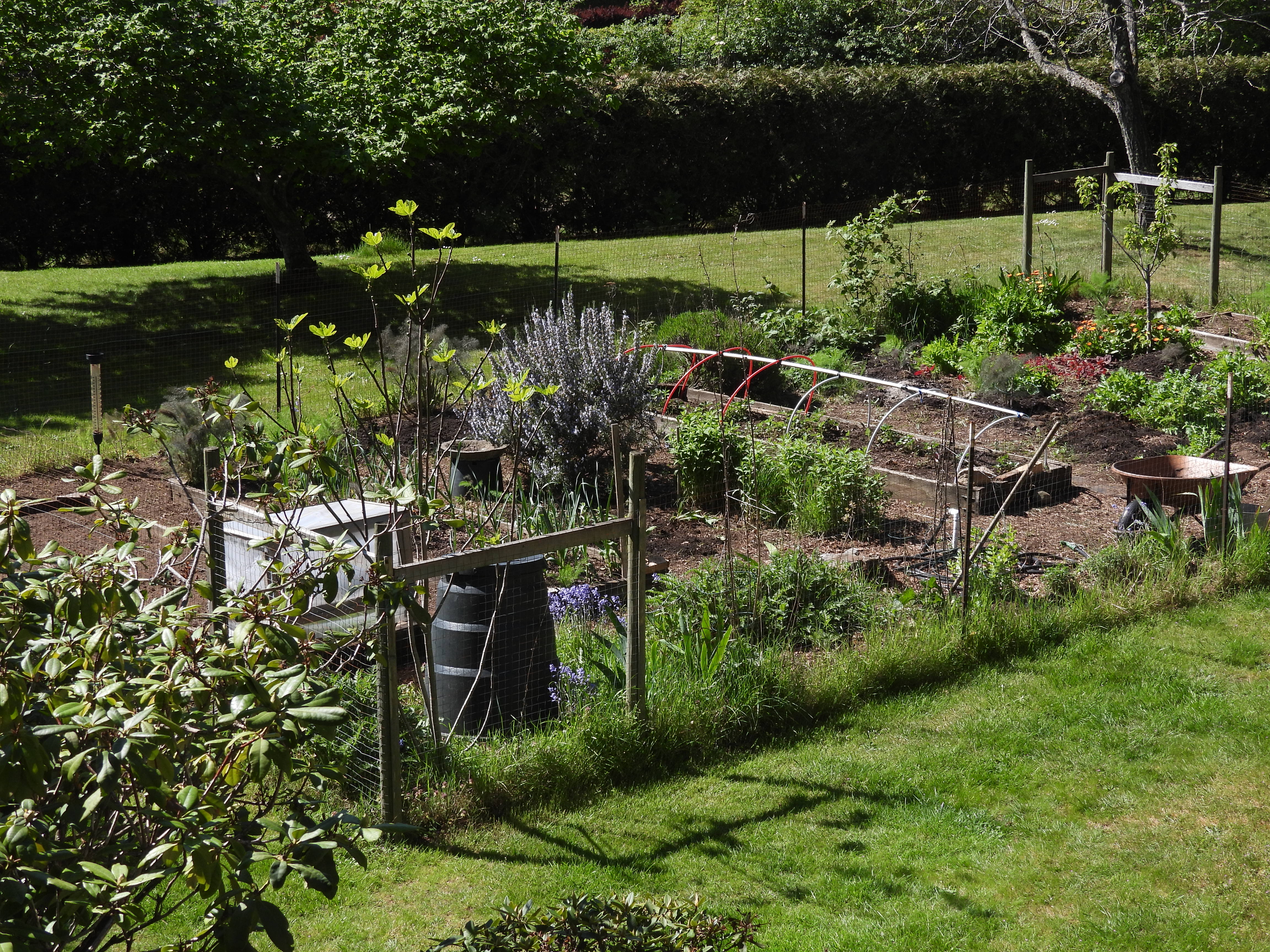
Yesterday morning, I had our English cocker spaniel, Emma, out for a walk around the yard  – on the leash in case Henry (the raccoon) showed up. She stopped to sniff something under one of the hazelnut (filbert) trees. I waited a moment and then I thought, “Oops! I bet she’s found another pile of Glosette Raisins (rabbit poop),” and I pulled her away. I looped her leash around the corner post of the veggie garden and went over to see what was so interesting.

It was a young bird on its back (which is never a good sign), and I tried to turn it over to see what kind of bird it was. As I  nudged it, it opened its beak wide as if to cry out, but no sound came out. I thought, “Oh, the poor thing! It’s going to die out here in the grass. Not enough wing feathers to fly yet and not enough strength to cry out.”

I brought Emma into the house and looked for the Captain to tell him about the poor little bird. I couldn’t find the Captain right away so I took a picture of the bird. It was a l-o-n-g distance, hurried shot from the house deck way out to the front yard, but I got a fuzzy semblance of the bird. BUT, it had TURNED OVER.  So maybe it wasn’t ready to die yet.

Next question: How did it get there?

I looked for a nest nearby. The most obvious answer would be the filbert tree overhead.
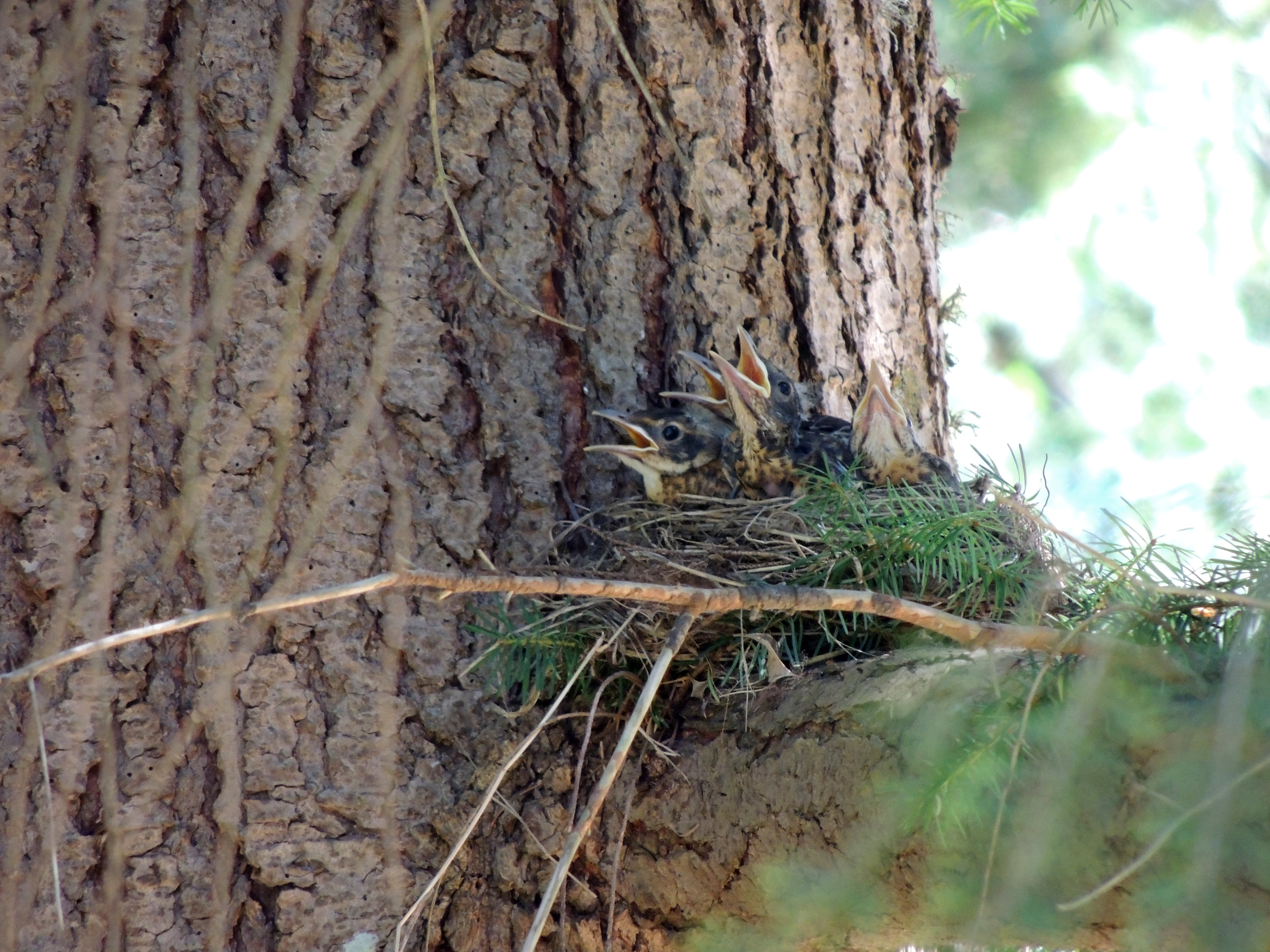
Yes, there was a nest. I could see only one other face looking over the edge. As I picked up the fallen bird’s tiny body, I could feel that it was still warm. I reached up to put it in the nest. It clung to my finger and gave it a squeeze as if to say, “Thank you.” Or maybe it was saying, “For God’s sake, please don’t drop me!”

The picture below was taken the next day, and shows the other baby robin that was in the nest. I still didn’t know if the fallen-angel  robin had made it.
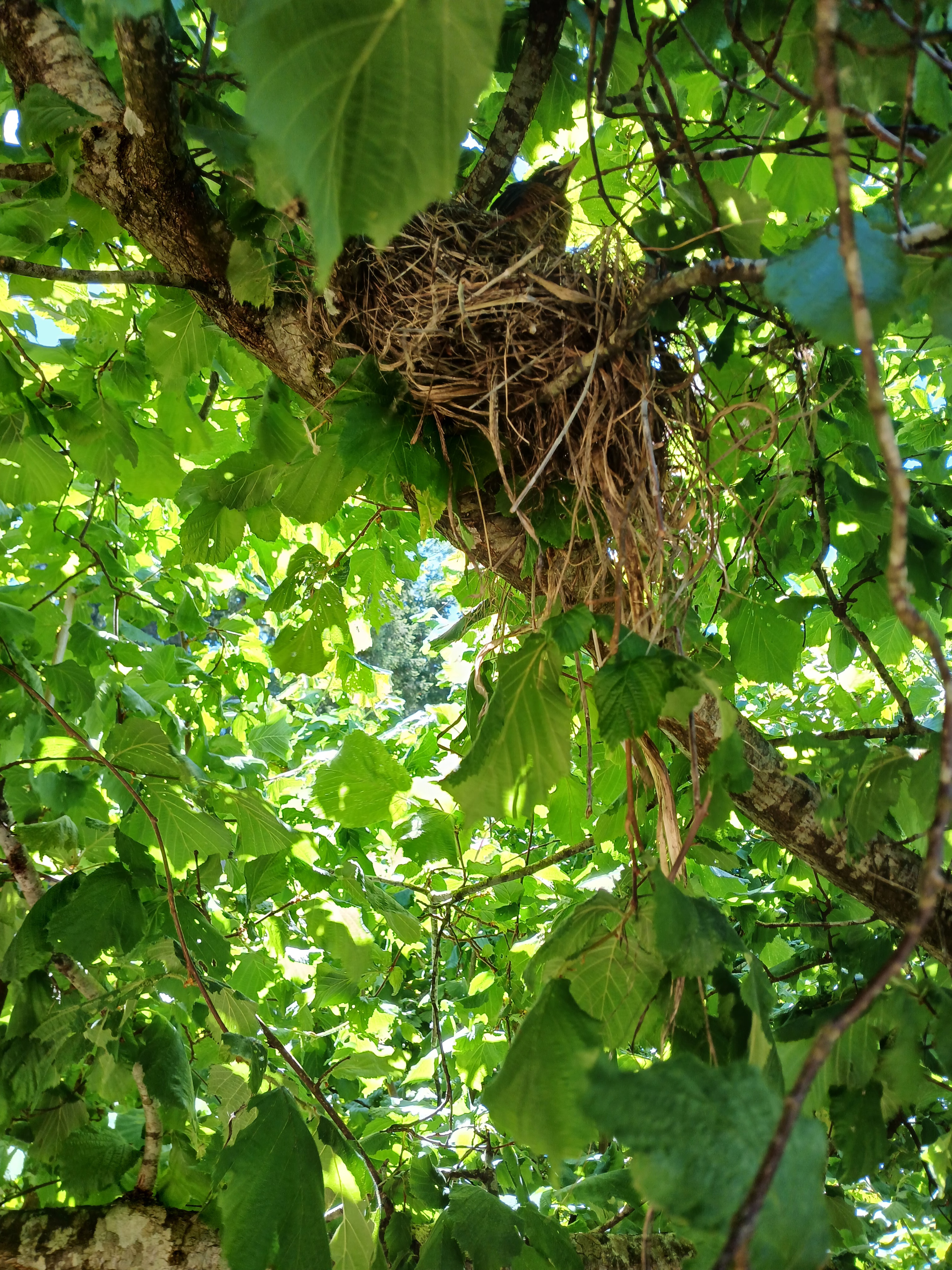
So I took my cellphone and reached up to try to get a picture of the inside of the nest.  I couldn’t quite reach, but as my hand got near the nest, two baby robins perked up and so did both parents who had been foraging for food nearby. They came in like two mini fighter jets in defense mode.

Turn on the sound to get a sense of their alarm as I told them to “Smile please!”


For sure I was smiling when I saw that both babies were alive and well.


41 Comments

Robin Robbin’ the Garden

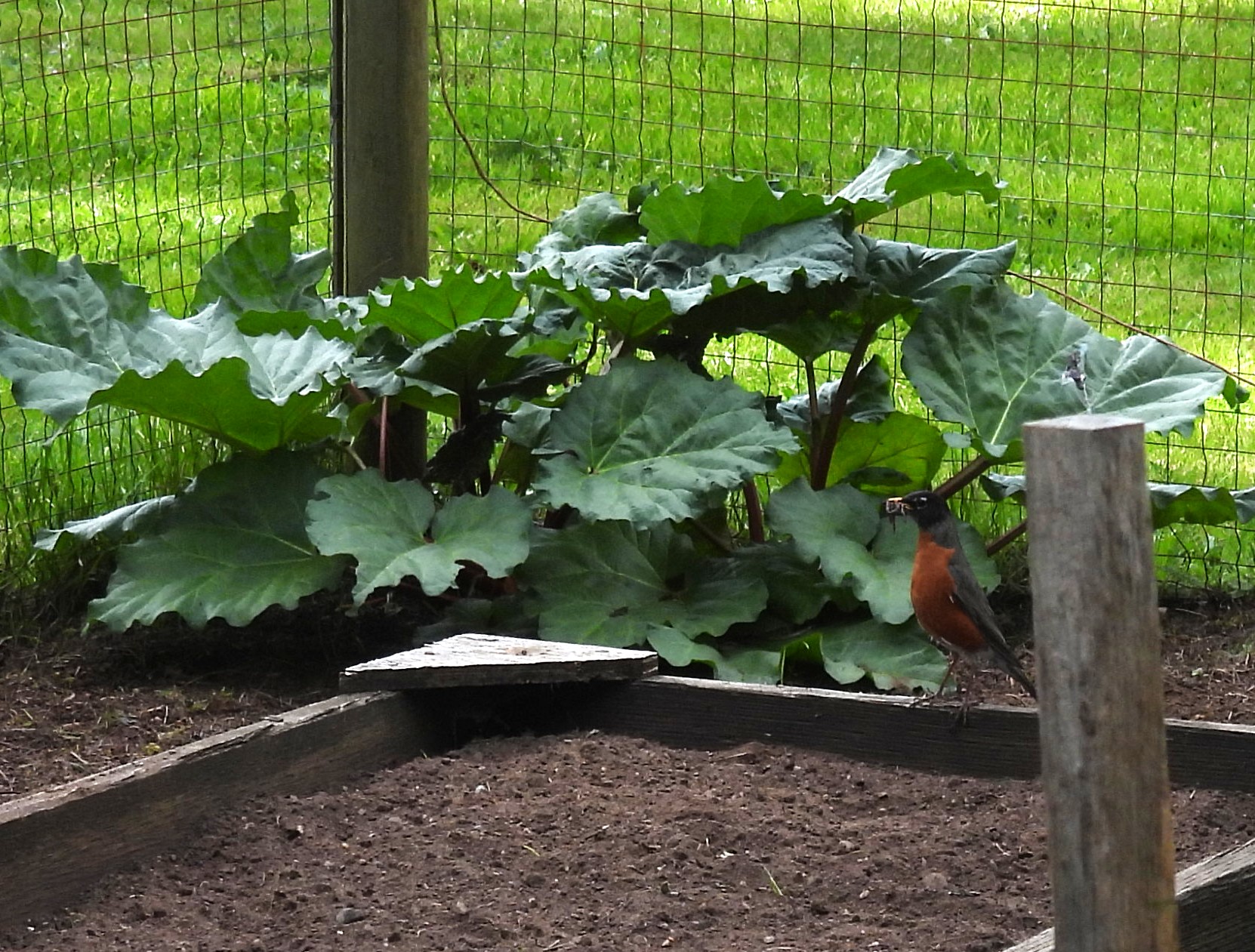
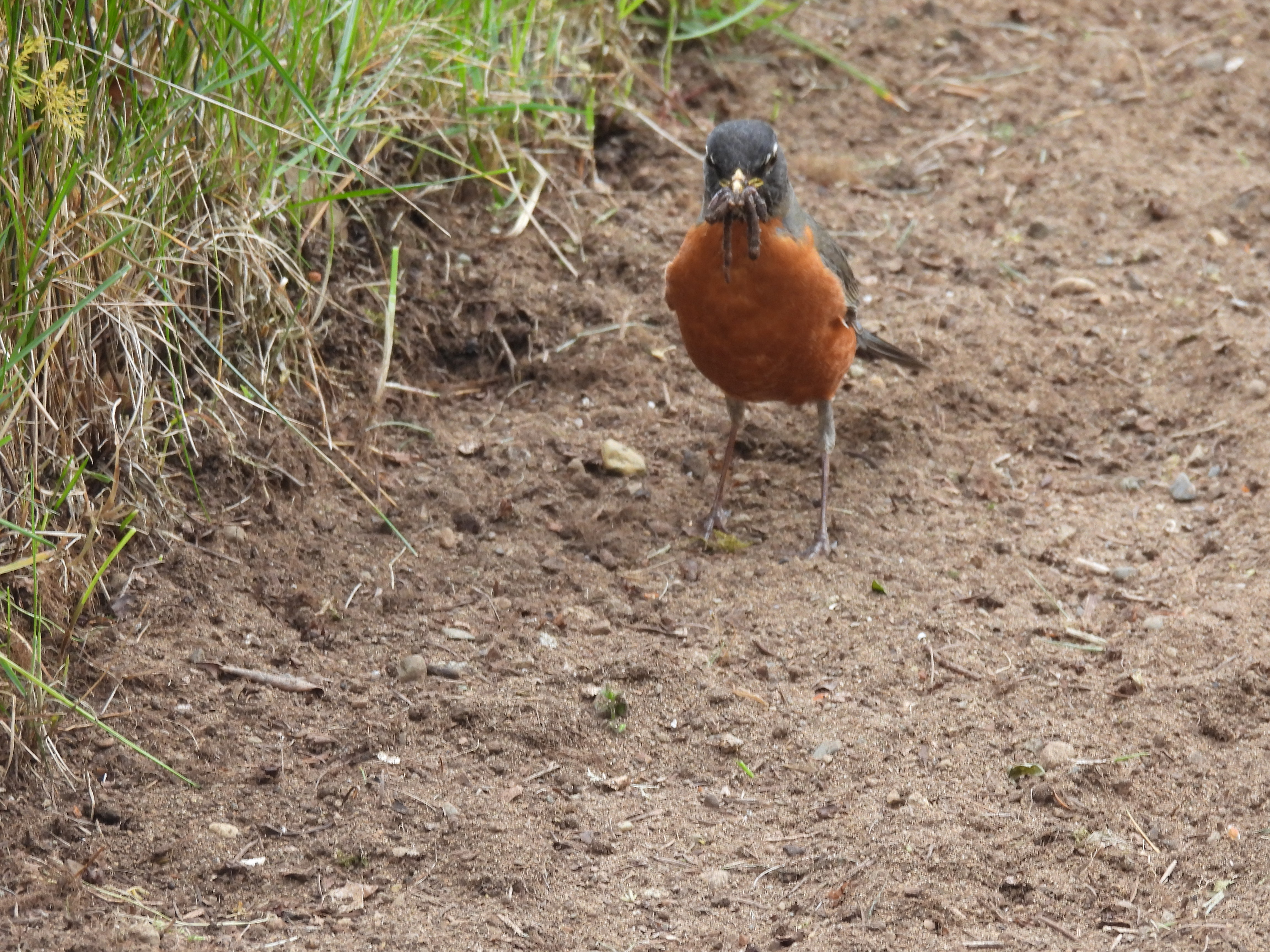
I’ve hired some help in the garden this year. She’s done a beautiful job of sorting out the weeds and making a lot of bare soil ready for planting. I love it, but the robins love it even more.

When they see a patch of newly disturbed soil, they move in to mine it for food to feed their children.

“Look what I found under the rhubarb plant!” 

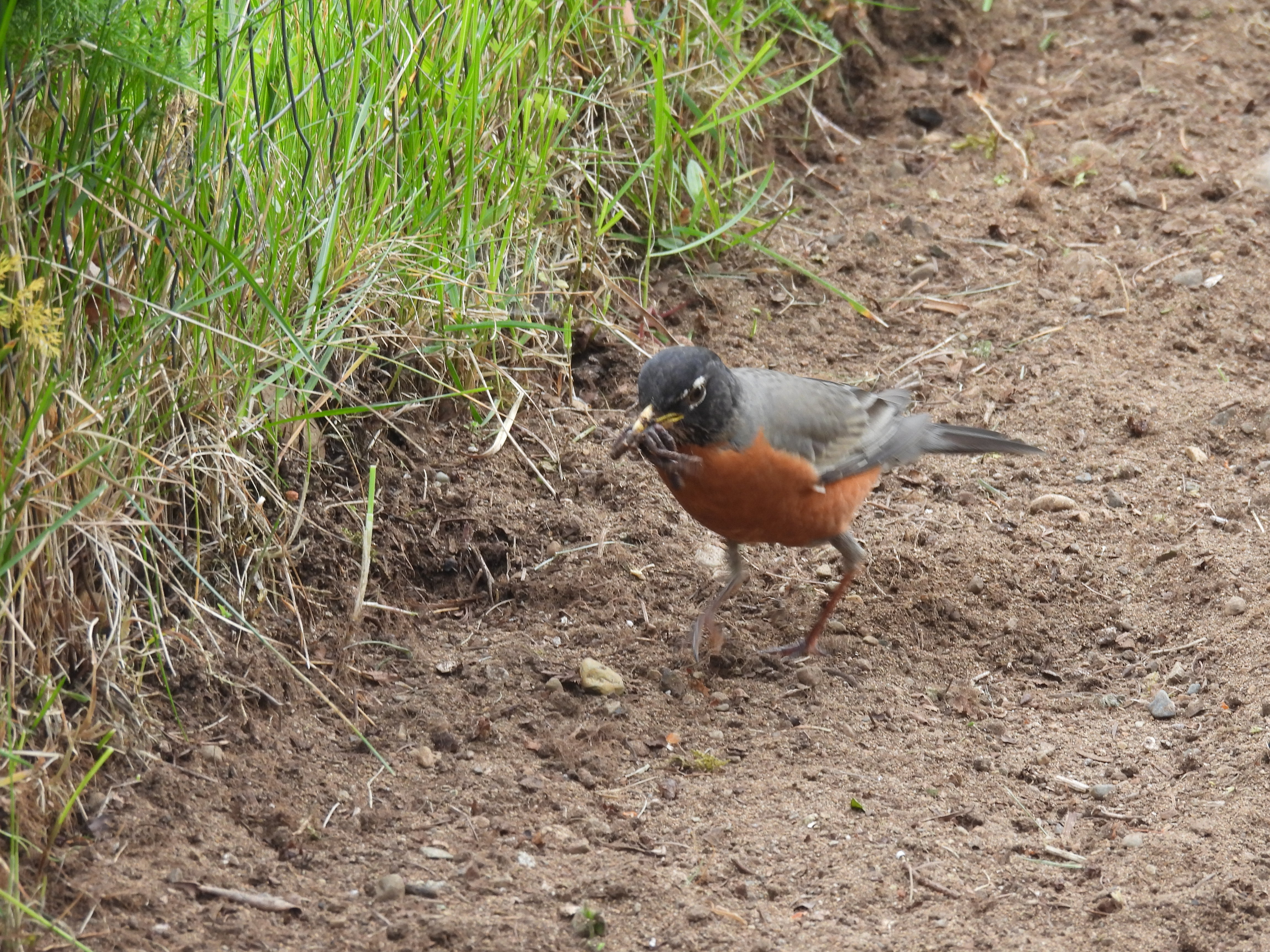
But wait! There’s even better shopping along the fence. Watch the video and see what the robin comes up with.


“Want a closer look at what I found?”


“What? You feel sorry for the worms? We don’t worry about that. The kids love a feed of fresh earthworms.”

“I’ll be there soon, my darlings!”

Welcome to the world, babies!


23 Comments

Mountain Ash and Holly

As I wrote the title to this post, I thought it might be misleading, with all the local wildfires making ashes of some of our “mountains,” but it is the tree that I am referring to in this post.

Each spring, the mountain ash gets clusters of little white flowers. Later in the summer, those flowers turn into red berries that will supply food for birds that are still here in the late autumn. It’s a time of year when the birds are trying to get the last of the summer’s bounty to build up their strength to meet the coming winter, or to make any lengthy flights they might have planned.

On one of those cool autumn days, the flocks (usually robins) will come and occupy the tree like so many shivering ornaments on a Christmas tree. They gobble down as many of these berries as they can. Sometimes it is already late in the fall and the berries are getting a bit overripe. The birds have been known to get a bit tipsy from eating the wine-like berries.  Beware the windows nearby, little birds, when you can’t fly straight.


They also visit the holly trees for their berries, but they eat more carefully. Holly leaves can be prickly.


Mountain ash and holly,

They make a late snack jolly,

But berries that ferment,

Can cause flights to be bent.


32 Comments

Lunchtime

Hoo-whee! These fir cones are like a candy cane. So good!

Oh! Sorry. That was rude of me. Would you like to share this one? 

These cones come in little wings that you can peel off. I’ll get one for you.

What’s that? Not your kind of food? Oh, too bad. I’ll get back to it then.

Say, if you really want to see me in action, play the video. Be sure to turn up the sound so you can hear the robins singing their spring songs.


48 Comments

And so it Begins

Robbie Robin thinks of spring,

And the bounty it can bring,

In the lower elevation,

Life was like a long vacation.


Summer berries in the hills,

How delicious were these frills,

In the forests by the streams,

Food enough to fill his dreams.


Ah, but what’s that ridge of white?

Yes, it is a pretty sight,

But it means the days are chill, 

And he must come off the hill.


Food is scarce, the bugs are gone,

Must be time for moving on,

Back to lower, warmer climes,

And a few more happy times.


See my friends around my table,

Eating much as we are able,

Mountain ash is loaded full,

Grab the berries and just pull.


Oh, my heavens, see the snow,

I knew I was right to go,

One more feast on berries here,

Then I’ll say, “Goodbye, my dear.”


46 Comments

It’s Dogwood Time

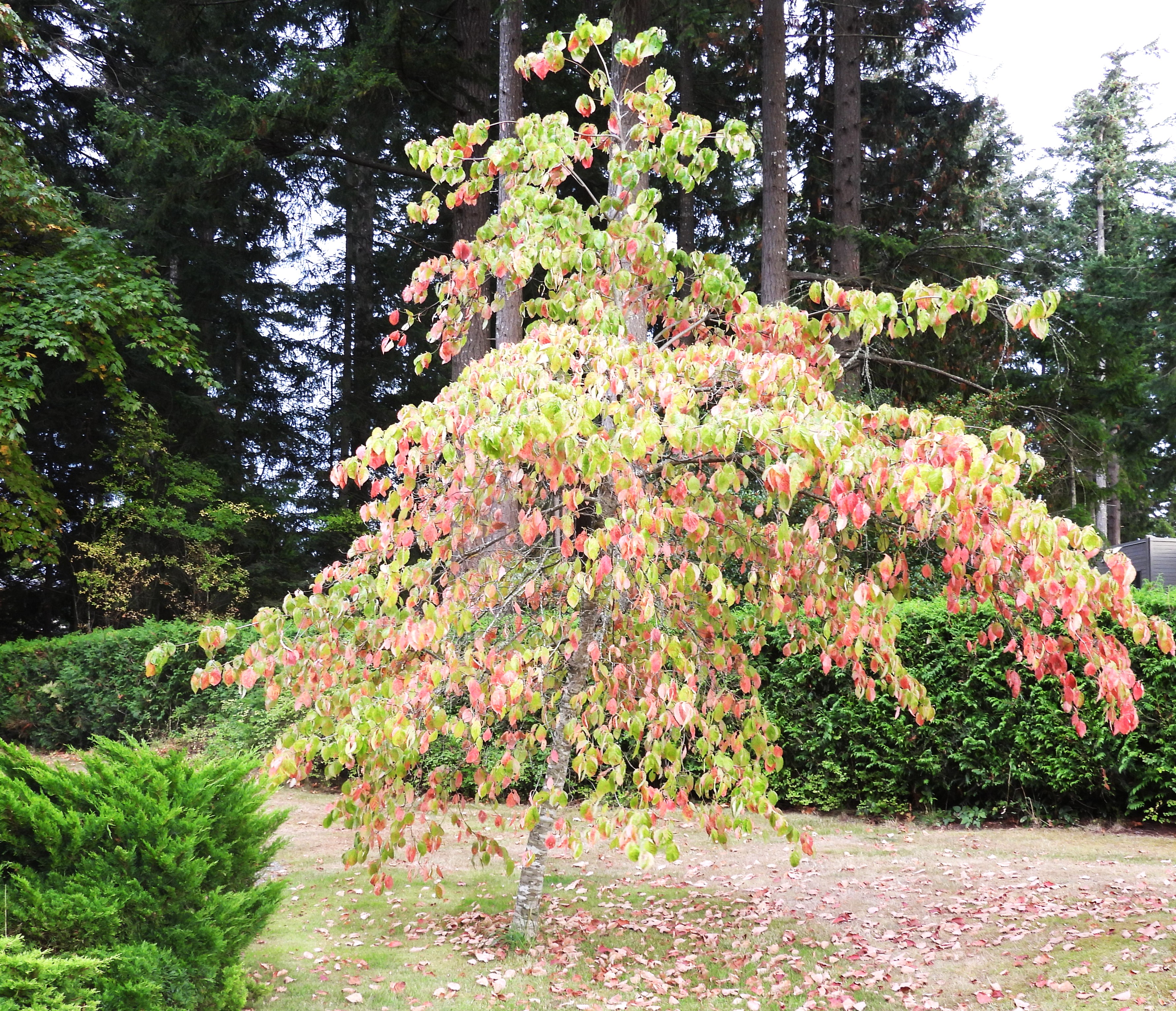
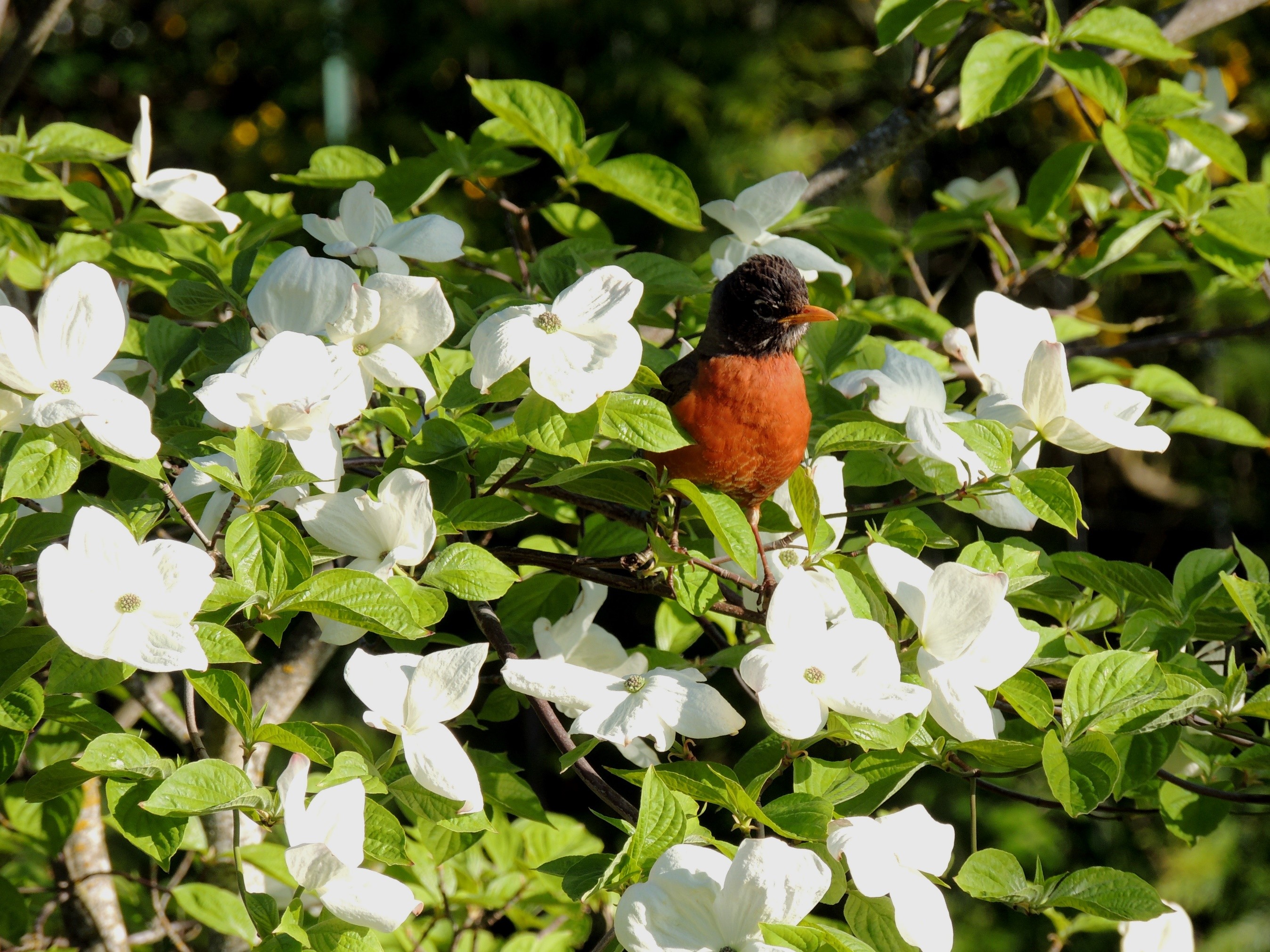
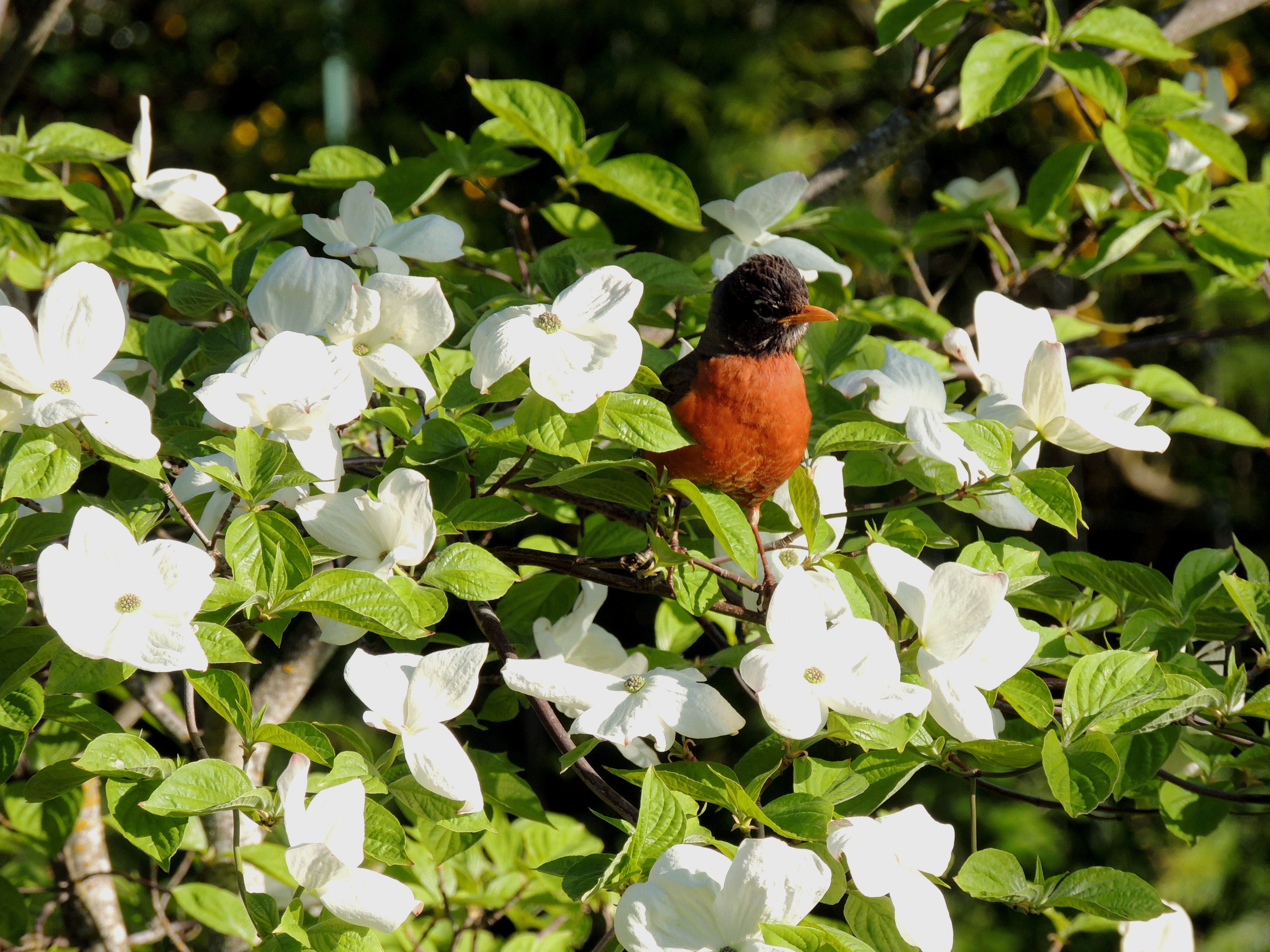
It’s time for the dogwoods to bloom. There are many bigger dogwood trees around, but ours is still quite small.

The robin is enjoying the spring morning sunshine while he wonders about the petal count of these flowers.

Most flowers have a number of petals that fall into the Fibonacci sequence, a mathematical sequence in which each number is the sum of the two preceding ones. So it goes like this: 0, 1, 1, 2, 3, 5, 8, 13, 21, 34, 55, 89, 144 … and it goes on forever.

Our Pacific dogwood usually has between four and six petals, so it’s different from most flowers which tend to follow the Fibonacci sequence.

Next time you’re in a flower garden, see which flowers you can find that have either  3, 5, 8, 13, or 21 petals. You’ll be surprised at what you find.

*Fibonacci sequence was used and further explored by an Italian mathematician, Leonardo Bonacci, who was called Fibonacci, possibly as a name made up from “filius Bonacci” (son of Bonacci). He was born about 1170. Yes, about 850+ years ago.

I bet he loved doing puzzles or writing code.

So what’s the next number after 144? The first nine commenters got it easily, so how about the next three numbers?